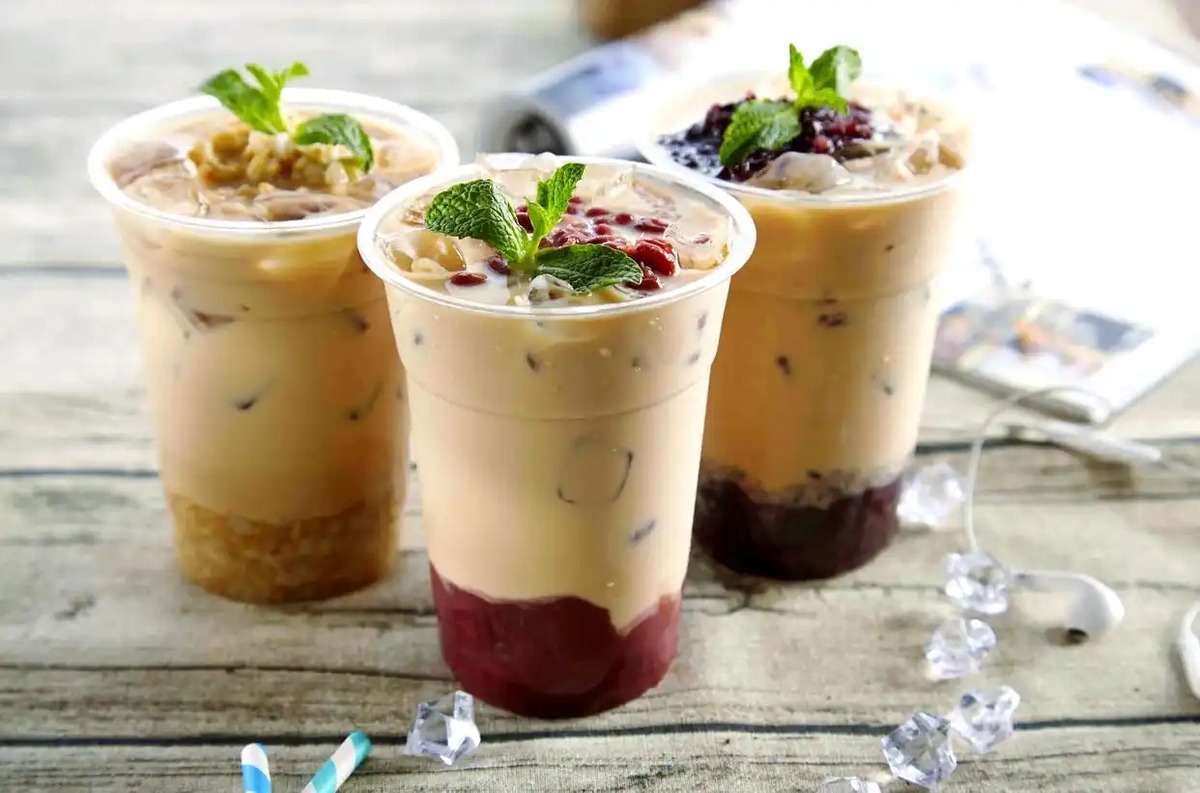
If you sell a food and beverage brand selling snacks, drinks or ready-to-eat products on TikTok Shop in Thailand, the category decides almost everything about how your creator programme should be built. Food is the one category where the viewer can tell within two seconds whether the person on screen is actually enjoying what they are eating. Thai audiences are unusually good at spotting this, because eating well is not a performance here — it is a daily, social, highly opinionated activity. A creator who takes one polite bite and says 'it is delicious' loses the room. A creator who goes back for a second spoonful before finishing the sentence wins it. This guide covers the four decisions that separate a campaign that moves inventory from one that produces nice footage: how to pick creators who genuinely eat on camera, which four formats carry a food launch, how to time the drop around meal occasions, and how to put taste language and registration details into the brief.
Each section below is written to be handed to a creator or used in your next brief.
Why food content in Thailand lives or dies on the first bite
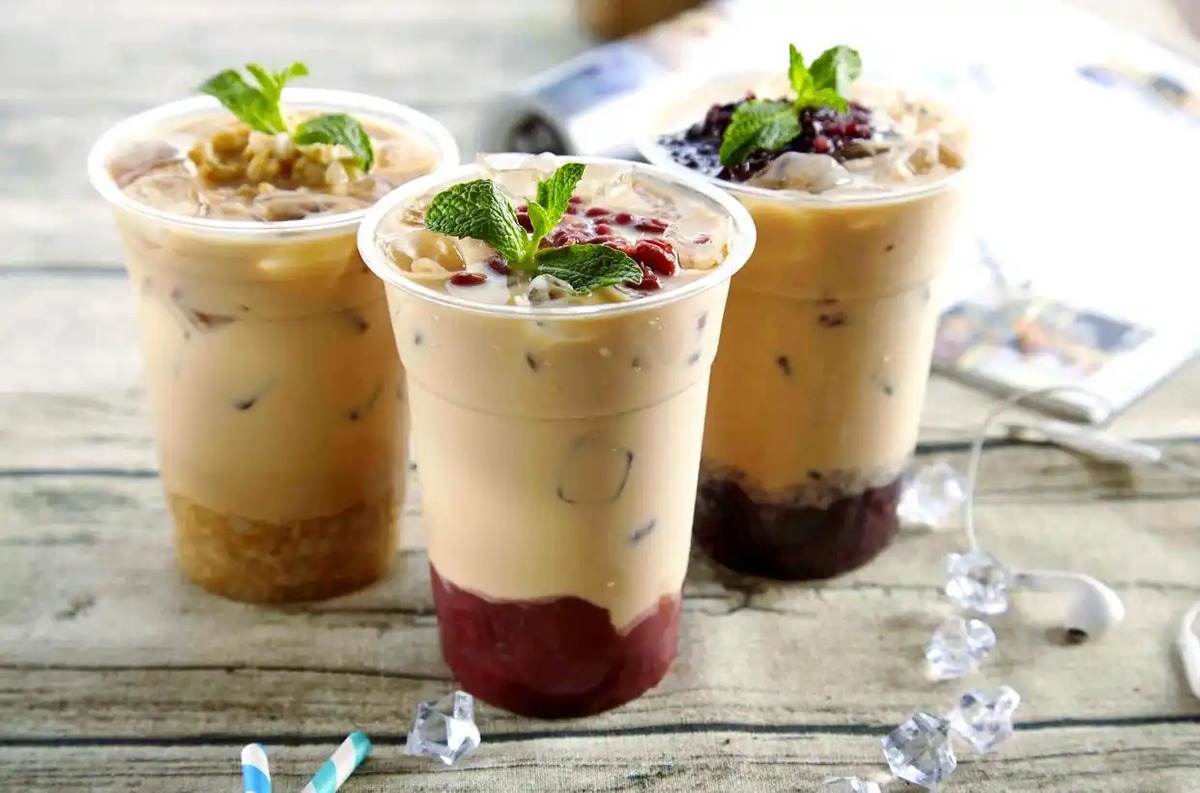
A food video has one job that no other category has: it must make someone hungry. That is a physical reaction, and it comes from specific signals — the sound of a crunch, steam leaving a container, sauce being pulled apart, a reaction that arrives before the words do. None of those signals appear when a creator reads a script. They appear when the product is opened on camera for the first time, which means the single most valuable instruction in a food brief is 'do not taste it before you film'.
Link tasting content to a physical moment wherever you can. A creator filming at a night market, in a campus canteen, or outside a convenience store reaches people in the exact moment the product is relevant, and that context does more work than any caption. Ask for one location shot per video, not a studio set.
Step 1 — Pick creators who actually eat on camera
Screen for eating behaviour, not follower count. Three checks before you brief anyone: watch at least two of their existing food videos end to end and count whether they swallow on camera; look at whether they finish the portion or leave it after one bite; and check whether their comment section talks about taste or only about price. A creator whose comments are all 'how much' will move units this week and build nothing. A creator whose comments are 'where did you buy this' has an audience that trusts her palate, which is the only asset that matters in this category.
Build a taste panel, not just a roster. Three creators is enough to triangulate: one who eats the category daily, one who is new to it, and one who is openly critical of mainstream products. The daily eater tells you whether it is authentic, the newcomer tells you whether it is approachable, and the critic tells you what the audience will complain about. Filming all three in the same week and comparing the words they reach for gives you the actual vocabulary your listing should use.
Step 2 — Four formats built around taste
Four formats carry a Thai food launch. Reaction tasting — the first bite, unscripted, one take — is the highest-conversion format and the cheapest to produce. Mukbang-style long form works for portion-heavy products, because twenty minutes of eating is itself the proof. Occasion content, built around a specific moment such as an office afternoon slump or a late-night ride home, answers 'when would I buy this'. And comparison content, especially for anything with a heat level, lets the creator rank the product against what the audience already eats, which is far more persuasive than describing it.
Timing matters more than budget here. Thai viewers eat on a schedule and scroll on a schedule: the two hours before lunch, the late afternoon, and after 9pm are when food content gets watched, while a launch posted at 10am on a weekday competes with work. Test three time slots with the same creator before you scale, because the difference between a good food video at the wrong hour and the same video at the right hour is often four to five times the reach.
Step 3 — Time the drop around meal occasions
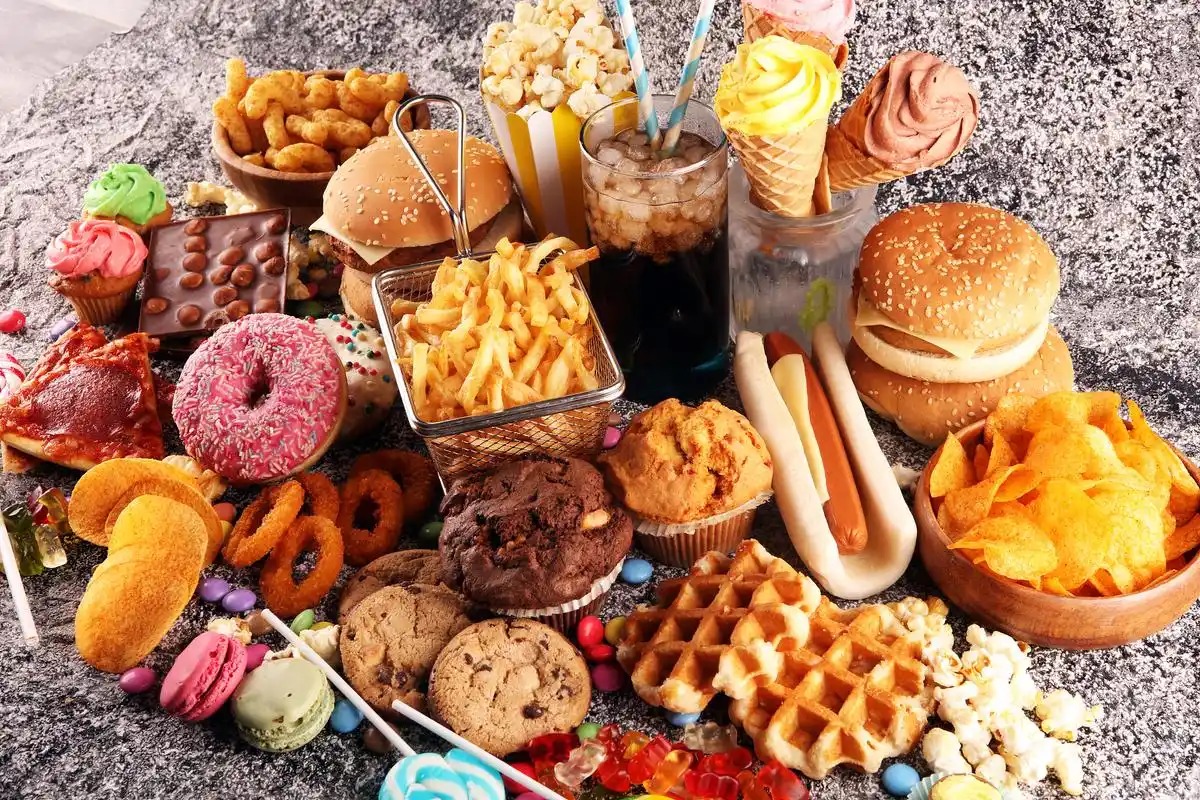
Work from the product's natural occasion backwards. A ready-to-eat snack belongs to the 3pm slot; a drink belongs to the commute and the gym; a meal kit belongs to dinner planning on Sunday. Place the first wave of creator posts inside that occasion window, not on the day the product becomes available, because availability is not a reason to watch. Then hold a second wave for seven days later using the reaction that got the most saves — saves, not likes, are the metric that predicts a repeat purchase in food.
Sampling is the operational risk in Thai food, because heat and transit time both work against you. Ship with an ice pack or a sealed nitrogen pack depending on the product, keep the transit window under 48 hours inside Thailand, and require the creator to film within 48 hours of delivery — a snack filmed on day six tastes different and looks worse. Track delivery date against shoot date, because the most common cause of a missed food launch is a sample sitting in a lobby for three days.
Step 4 — Put registration details and taste language in the brief
Two things must be in the brief and cannot be left to the creator's judgement. First, registration: the Thai FDA number has to be visible on the pack in at least one frame, and no health, treatment or weight loss claim may be spoken or written, no matter how mild it sounds. Second, taste language: give the creator three descriptors that are true and one that is forbidden, because improvised flavour words are how a product ends up described as something it is not. Add the texture and heat level in concrete terms — 'crisp for the first ten seconds', 'medium heat that builds' — and the content becomes usable for people who have never tasted it.
Limit a tasting video to two variants, not the whole range. After the third flavour the viewer stops tasting and starts watching, and the creator's reactions flatten in a way audiences notice immediately. If the range has six flavours, split it across three creators or three videos, and lead with the most distinctive one rather than the safest. For heat levels, describe the timeline rather than the rank — sharp for ten seconds, then it fades, tells a buyer far more than medium spicy.
How DAMI tracks samples and deliveries for food launches
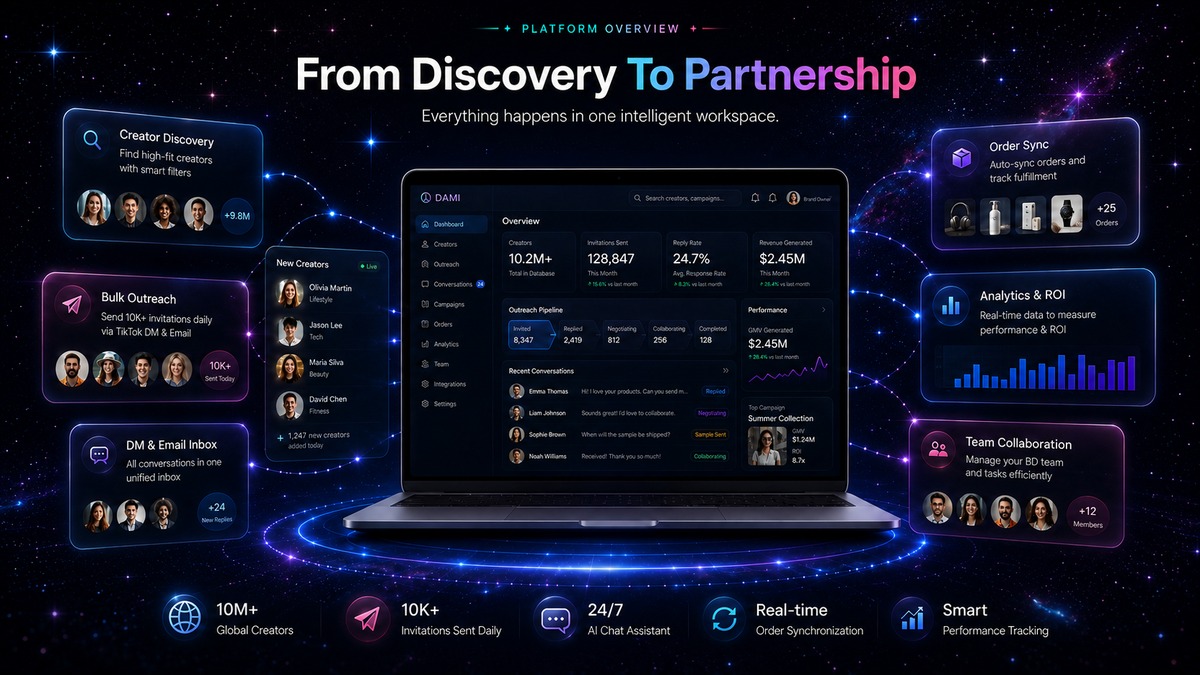
DAMI brings an 8-million-plus creator database, competitor and competitor-store creator search, automated outreach tasks, AI-assisted outreach, sample management, campaign management, store analytics, and multi-store team dashboards into one place. For a category programme that means an 8-million-plus creator database to source by niche, competitor and competitor-store creator search to see which creators already work with brands like yours, automated outreach tasks so follow-ups do not depend on memory, AI-assisted outreach to keep conversations moving, sample management to track what was sent and what came back, campaign management to hold every SKU and deadline together, plus store analytics and a multi-store team dashboard so everyone reads the same numbers.
A category roster, a launch calendar and a content library belong in one system, not five spreadsheets. Start with DAMI and run creator marketing as a process.
Frequently asked questions
How do we find creators who genuinely eat on camera?
Watch two of their existing food videos end to end and count the swallows. Ask for one unedited one-take sample before hiring, not a produced video. In Thailand, the creators whose comments are about taste rather than price are the ones worth a long-term contract.
How many creators should one food launch use?
Three to five for the first week, all posting inside the same occasion window, then one or two for the follow-up wave. Food launches are won by density inside a time slot, not by spreading twenty creators across a month.
Can we ask creators to describe the taste in specific words?
Yes, and you should. Supply three accurate descriptors and one forbidden term. Leaving flavour language to improvisation is how a mild product gets described as spicy, and how the returns start.
What about health claims and registration?
No treatment, cure or weight-loss wording at all, spoken or on screen, and the Thai FDA number must be visible in at least one frame. Put both rules in the brief in writing; a verbal reminder does not survive a twelve-hour shoot day.
Conclusion
Category marketing in Thailand is not won by finding better creators. It is won by matching the creator, the format and the moment to the specific question a buyer already has. Do that and an ordinary roster starts producing content that sells.
Pick the format first, write it into the brief, put a date on every stage, then reuse what worked instead of commissioning more of what did not. DAMI brings an 8-million-plus creator database, competitor and competitor-store creator search, automated outreach tasks, AI-assisted outreach, sample management, campaign management, store analytics, and multi-store team dashboards into one place. Get started with DAMI and build the next campaign from records, not from instinct.