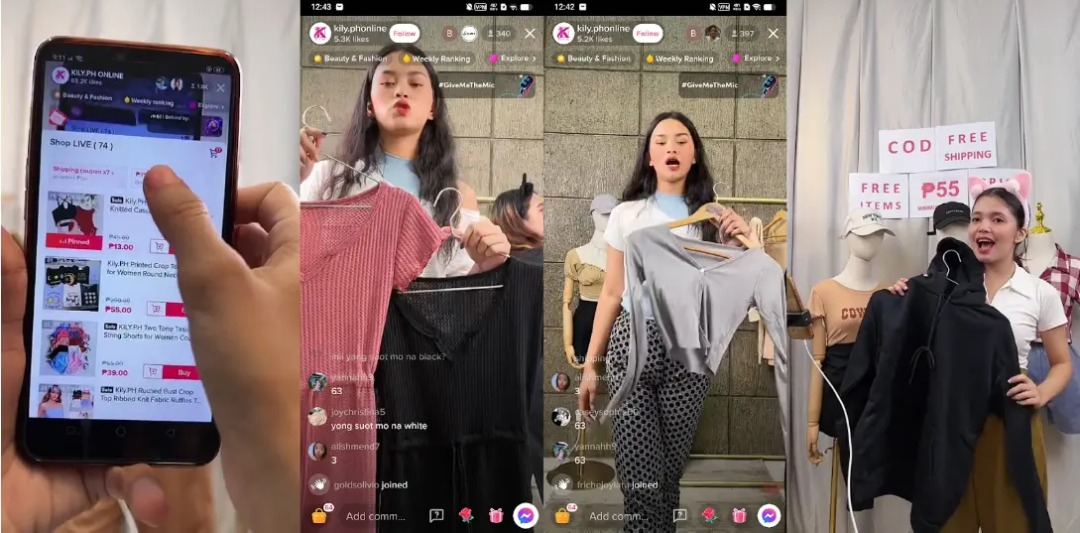
If you sell a fashion brand selling apparel in the 200 to 1,500 peso range on TikTok Shop in the Philippines, the category decides almost everything about how your creator programme should be built. In the Philippines, a fashion video is not judged on how good the outfit looks. It is judged on whether the viewer believes it will fit her. That single filter explains why a well-produced campaign from a big creator can lose to a 90-second haul from a creator with 18,000 followers who is the same height and the same size as the people watching. This guide covers the four decisions that separate a campaign that moves inventory from one that produces nice footage: how to choose creators by body type and price band, which four formats actually sell clothes, how to tie uploads to payday and launch windows, and how to cut returns with size-first content.
Each section below is written to be handed to a creator or used in your next brief.

Why fashion content in the Philippines needs a fit-first angle
Philippine apparel buyers carry three specific doubts that a lookbook never answers: will a size M from this brand fit like a size M from the one I already own, will it survive Manila heat and a commute, and is the fabric going to be transparent under office lighting. Each doubt has a visual answer, and none of them can be delivered by a creator who is a different height, a different build, and filming in a studio. This is why 'fit-first' is not a creative preference in this market; it is the conversion mechanism.
Use the comment section as the next selection brief. When twenty people ask whether a dress comes in a larger size, that is not a customer service issue; it is a product request you can hand to the next launch. Keep a running list of the three questions that repeat most across creators, and answer them in the following drop instead of repeating the same content.
Step 1 — Choose creators by body type and price band
Pick creators whose body and budget match the customer, then check the price band they normally wear. A creator who shops in the 3,000 peso range will make a 399 peso dress look cheap even when she is being generous, and her audience is not your buyer. Build the roster as a grid: heights from 150cm to 170cm, sizes from S to XL, and at least one creator per grid cell who films in a real room rather than a studio. In practice, four to six creators covering the grid beats twenty creators who all look the same, because the grid is what lets a viewer find herself in the content.
Ask for the raw footage, not just the final cut. A haul filmed for a 90-second video usually contains four to six minutes of usable material: close-ups of fabric, a sleeve detail, the piece on a hanger. That raw material is what fills the product page and the ads, and creators hand it over only if the brief asks before filming rather than after. Put raw delivery and a 90-day usage window in the same clause, and the cost per usable asset drops by more than half.
Step 2 — Four formats that actually sell clothes
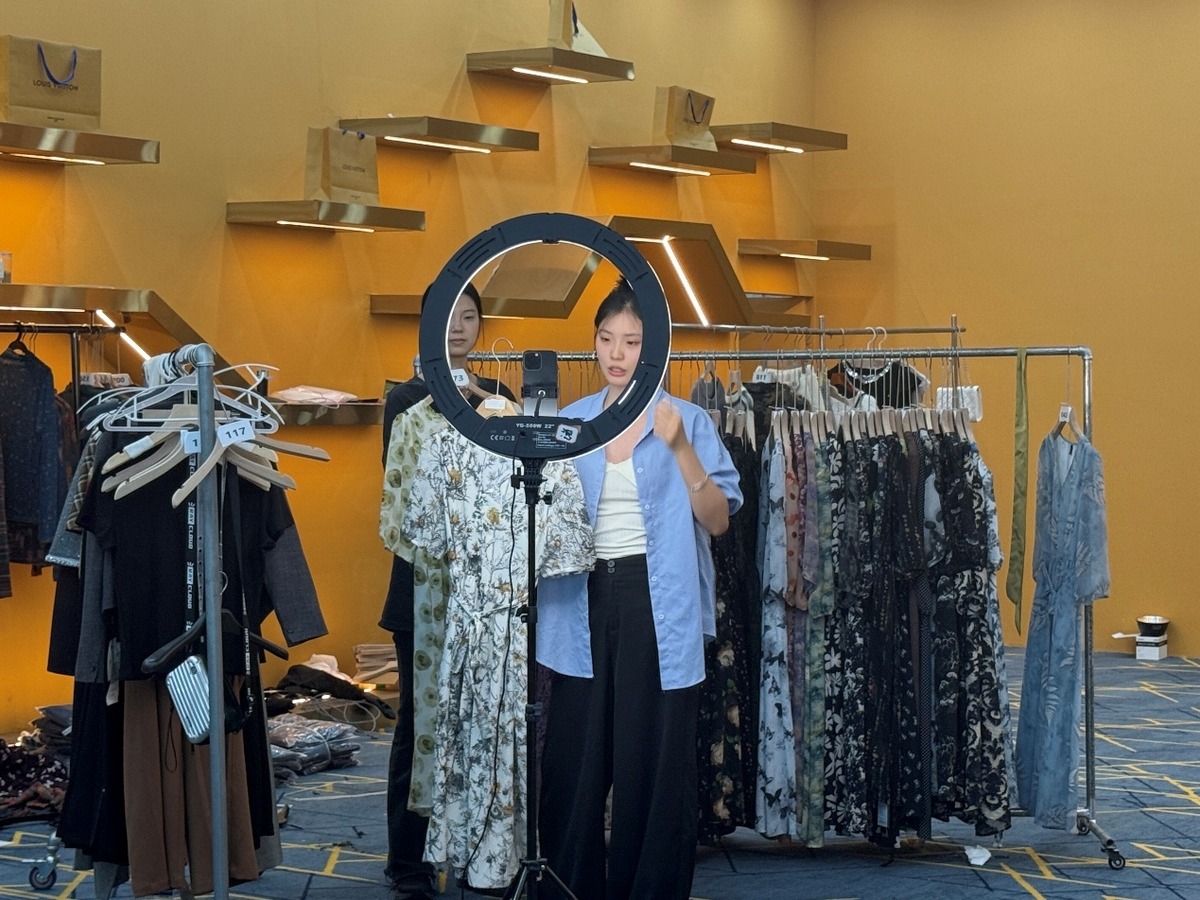
Four formats do the work in this market. Haul — five to eight pieces tried on in one take, with sizes named out loud — is the highest-intent format and the one that most needs a creator whose size matches the viewer. Styling, meaning one piece worn three ways for work, weekend and church, answers 'will I actually wear it'. Fit check, filmed full-body against a doorframe with the height written on screen, settles the sizing question in eight seconds. And restock or sold-out reaction content, which most brands skip, converts existing demand from people who already wanted the piece and did not buy.
One detail that changes the numbers more than any creative choice: name the size and the height in the first five seconds, on screen, in text. Not in the caption, not in the last frame. In a market where return rates on apparel run high, that single overlay is the cheapest return-reduction tool available, and creators will do it consistently only if the brief makes it a delivery standard rather than a suggestion.
Step 3 — Tie uploads to payday and launch windows
Filipino apparel demand clusters around the 15th and the 30th, when salaries land. Put launches two days before those dates so content is already warm when the money arrives, and run the biggest push in the 72 hours after. Beyond payday, the calendar has three other anchors: the start of the school year, the Ber months that begin the Christmas season in September, and the pre-summer weeks in March. A workable rhythm is one launch every two weeks with three creators per launch, rather than one large monthly drop with twelve creators, because the smaller cadence keeps a steady stream of fresh content in the feed and lets you correct the next launch based on the last one.
Localise the size chart before you brief anyone. A Philippine medium is not a US medium, and shoppers here have been burned enough times that they now read the measurement table before the photos. Put the creator's height, weight and the size she wore on screen, link the flat measurements in the caption, and state the return window in the video rather than the listing. Three sentences of sizing information remove more hesitation than any discount.
Step 4 — Cut returns with size-first content
Returns in apparel are usually a content problem wearing an operations costume. Three fixes, all written into the brief: every piece is described with fabric weight and stretch, not adjectives; the creator states her usual size and the size she wore in this piece; and one frame shows the garment against a plain background so the colour is not flattered by studio light. Then reuse properly — each haul video yields one clip per piece for the product page, one fit-check cut for ads, and one styling cut for the grid. A single 90-second haul should be producing six to nine usable assets, and if it is producing one, the brief asked for a video instead of a shoot.
Match the drop to stock, not to the calendar. Pushing a creator to post a piece that is already out of stock in two sizes trains the audience to arrive late and leave disappointed, and the comment section becomes a list of complaints rather than orders. Two weeks before each launch, check which sizes are actually deep, brief creators on those, and let the sold-out pieces appear as restock content instead of hero content. In apparel, availability is part of the creative.
How DAMI keeps a fashion roster and launch calendar in one place
DAMI brings an 8-million-plus creator database, competitor and competitor-store creator search, automated outreach tasks, AI-assisted outreach, sample management, campaign management, store analytics, and multi-store team dashboards into one place. For a category programme that means an 8-million-plus creator database to source by niche, competitor and competitor-store creator search to see which creators already work with brands like yours, automated outreach tasks so follow-ups do not depend on memory, AI-assisted outreach to keep conversations moving, sample management to track what was sent and what came back, campaign management to hold every SKU and deadline together, plus store analytics and a multi-store team dashboard so everyone reads the same numbers.
A category roster, a launch calendar and a content library belong in one system, not five spreadsheets. Start with DAMI and run creator marketing as a process.

Frequently asked questions
Should we work with micro creators or one well-known fashion creator?
Micro creators first, chosen by the size grid rather than by follower count. A viewer buys when she sees someone her height wearing the piece; one famous creator covers one cell of that grid, while six micro creators cover six.
How many pieces should one haul video show?
Five to eight. Fewer than five does not give the viewer a reason to keep watching, and more than eight turns the video into a catalogue where nothing is remembered, including the piece you most wanted to sell.
Is payday really the right anchor for launches?
In the Philippines it is the most reliable one, because demand is budget-constrained rather than trend-driven. Launch two days before the 15th and the 30th, and keep a smaller always-on push between them so the account does not go quiet for two weeks.
How do we reduce returns without changing the product?
Publish the measurements on camera, not just in the listing: fabric weight, stretch, the creator's usual size, and the size she wore. Most apparel returns come from a size guess, and a guess is cheaper to fix in the video than in the warehouse.
Conclusion
Category marketing in the Philippines is not won by finding better creators. It is won by matching the creator, the format and the moment to the specific question a buyer already has. Do that and an ordinary roster starts producing content that sells.
Pick the format first, write it into the brief, put a date on every stage, then reuse what worked instead of commissioning more of what did not. DAMI brings an 8-million-plus creator database, competitor and competitor-store creator search, automated outreach tasks, AI-assisted outreach, sample management, campaign management, store analytics, and multi-store team dashboards into one place. Get started with DAMI and build the next campaign from records, not from instinct.