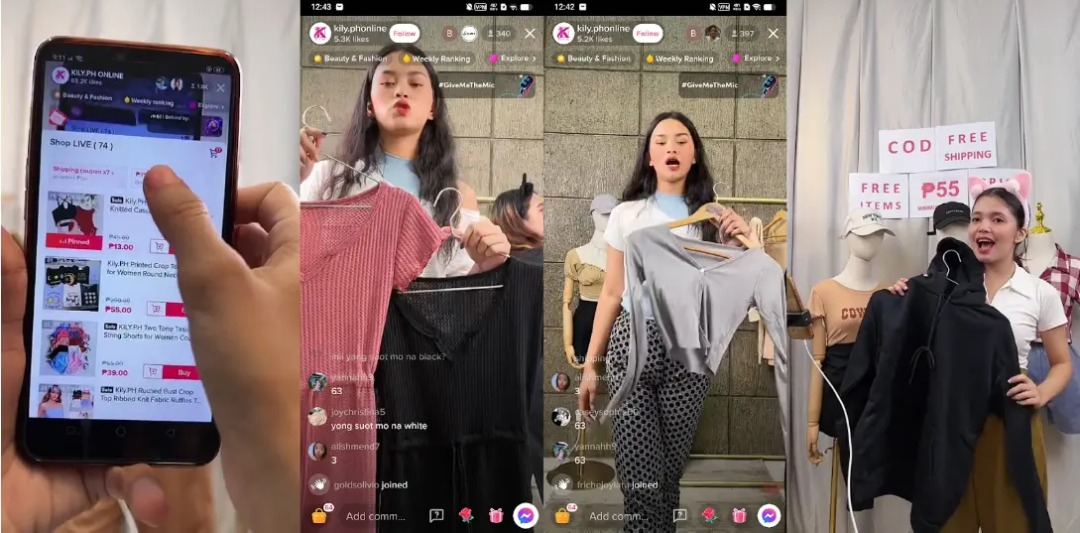
If you sell a brand seller that already has an in-house content team and a creator roster in your market, the peak season is not one campaign but a short sequence of them, and each one asks the creator roster for something different. Most brands treat warm-up as a countdown: seven days of posts that all say the sale is coming. That buys nothing, because a countdown is not a reason to care. Warm-up works when it does a different job each week — first making the problem visible, then making the product credible, then making the deadline real. Three phases, three jobs, and the same footage can serve all three if it is shot with that in mind. This guide works through the four decisions that keep a peak campaign from turning into a discount with content attached: the three-phase content calendar that runs from two weeks out to three days after, how to reuse one shoot across ten posts, how to stagger creators so they do not publish the same video, and which warm-up signals are worth acting on.
Everything below is written to be used directly — in the brief you send a creator, or in the calendar you hand your team.

Why a countdown is not a warm-up
A countdown asks the audience to remember a date. A warm-up gives them a reason to remember it. Those are different content jobs, and they need different evidence: the first phase needs the problem shown, the second needs the product demonstrated by someone the audience believes, the third needs the constraint made concrete — how many units, how long the price holds, what happens when it runs out. Brands that publish only the third phase are shouting a deadline at people who never learned why they should care about it.
Write down the objection list before the shoot, not after the comments arrive. Ten comments asking the same thing is a content brief that wrote itself, but only if you can still shoot. Collect the questions from the last campaign, put them in the shot list as spoken answers, and the warm-up stops being a countdown and starts being the most useful content you publish all quarter.
Step 1 — Build the three-phase calendar
Phase one, days fourteen to eight: publish problem-led content with no price in it. The measure of success is saves and comments that ask a question, not views. Phase two, days seven to three: publish demonstration content — the product used at the moment a buyer needs it, with the date at the end and still no hard price. Phase three, days two to zero: publish the offer, the stock limit and the livestream schedule, and nothing else new. Then a fourth, quieter phase after the campaign: results, restocks and the questions that came up most. Four phases in three weeks, each with one job, and no phase repeating the previous one's message.
Reuse is not reposting. A clip that worked in the warm-up can be recut with a different first two seconds and published again in the return phase, and it will reach a different slice of the audience because the entry point is different. What does not work is publishing the identical file twice in a fortnight: the platform limits its distribution and the audience recognises it, and both effects compound. Reuse the footage, not the post.
Step 2 — Shoot once, publish ten times
One well-planned shoot produces a fortnight of content if it is planned as a shoot, not as a video. Record the demonstration in a single long take, then capture: three vertical openings of two seconds each, one close-up of the detail that answers the main objection, one comparison against the alternative the buyer is considering, one reaction shot, and one spoken answer to the question the comments ask most. That is ten usable pieces from one session. Everything cut from the same shoot shares a look, which makes the campaign feel like one campaign rather than ten unrelated posts — and it means the second and third phases do not need new filming days.
Build the calendar backwards from the publish dates, not forwards from the shoot date. If phase three must publish on day two, phase two has to be live by day three, which means approval by day five, which means the shoot happened by day seven. Written that way, the calendar immediately exposes the one thing that will break: a shoot that was planned for the week the content was supposed to already be out.

Step 3 — Stagger creators so the same video does not appear twice
Staggering is not just about time slots. Two creators publishing the same brief on the same day with the same opening line is the most visible form of a campaign looking bought. Give each creator a different entry point: one starts from the problem, one from the result, one from the price comparison, one from a mistake people make. Then spread publication so no two videos targeting the same audience land within four hours of each other, and let the strongest creator's video go first — the second video's performance is partly decided by what the audience already saw. A simple calendar with creator, SKU, entry point and publish hour prevents most of this.
Give every piece of content one job and one metric, and delete the ones with neither. A video that exists because the calendar had a gap is worse than an empty day, because it teaches the audience that your posts are filler. Two strong posts a week in the first phase outperforms five weak ones, and it leaves room to repost the winner with a new opening when the second phase starts.
Step 4 — Read the warm-up signals that justify moving budget
Warm-up data is mostly noise, and three signals rise above it. First, saves and shares on phase-one content: they mean the problem resonated with people who are not ready to buy, which is exactly what phase one is for. Second, comment questions that repeat the same objection: that objection is what phase two must answer, and if it is already answered and still asked, the answer is not landing. Third, profile visits and follower growth on the creators who posted: an audience checking who made the video is the strongest pre-purchase signal available before a sale. Anything else — raw views, likes, average watch time — tells you the video was seen, not that the campaign is working.
The content team and the creator roster should be reading the same calendar. When they are not, the brand's own account posts the product demo on the same day a creator posts the same demo, and the two videos compete for the same audience with the weaker one losing. One calendar with both in-house posts and creator posts, one owner per slot, and a rule that the in-house account fills the gaps rather than duplicating what creators already covered.
How DAMI keeps a content calendar and a creator roster in sync
DAMI brings an 8-million-plus creator database, competitor and competitor-store creator search, automated outreach tasks, AI-assisted outreach, sample management, campaign management, store analytics, and multi-store team dashboards into one place. Content planning needs the pieces to live together: AI video creation to turn one shoot into the short cuts each phase needs, social media management to keep in-house and creator posts on one schedule, and sample management so the shoot happens before the calendar needs it.
A peak campaign is decided by records, not by improvisation: who was contacted, which SKU they received, what published and when, and what it produced against plan. Start with DAMI and run the whole season from one place.

Frequently asked questions
How far ahead should warm-up content start?
Two weeks for product-led categories, three for anything that needs explanation. The first post should contain no price at all — it exists to make the problem visible.
How many posts per week during warm-up?
Two to three strong ones per channel beat seven weak ones. If the calendar has gaps, fill them with creator content rather than with filler from the in-house team.
Should creators publish on the same day as the brand account?
No. Stagger by at least four hours and give the strongest creator the earliest slot; the following videos inherit part of the audience that is already warm.
Can I reuse the campaign footage after the sale ends?
Yes, and you should — recut with a new opening. The return phase is the cheapest traffic of the whole campaign because most brands have stopped publishing by then.
What should phase three actually contain?
The offer, the stock limit and the schedule. Nothing new. Introducing a product on the final day means it enters the campaign with no warm-up at all.
How do I know the warm-up worked?
Saves and shares on the problem-led posts, a repeating objection in the comments, and profile visits on the creators. Raw views are not evidence of warm-up working.
Do I need new filming for each phase?
No. One planned shoot covers all four phases if the shot list includes openings, a detail close-up, a comparison and spoken answers to the top objections.
What is the most common warm-up mistake?
Publishing seven variations of the countdown. It uses the whole warm-up window to say one thing the audience cannot act on yet.
Conclusion
Peak season rewards sequencing over effort. The seller who decides which twenty SKUs matter, who sits with which creator and on which date, and what the stop-loss is before the first video goes live, will beat the seller who simply spends more. DAMI brings an 8-million-plus creator database, competitor and competitor-store creator search, automated outreach tasks, AI-assisted outreach, sample management, campaign management, store analytics, and multi-store team dashboards into one place.
Put the dates on the calendar, write the assignment down, and reuse what worked instead of commissioning more of what did not. Get started with DAMI and build the next campaign from records.