If you are a TikTok Shop Indonesia seller whose first-choice creators are all booked through the 11.11 window, and who is now deciding whether volume from mid-tier creators plus a livestream room can carry the campaign, the slot you wanted no longer exists — and the useful question is not how to get it back. It is what the remaining supply actually costs per usable piece of content, and whether that cost survives the margin. Three things make the mid-tier route work or fail, and none of them is follower count. The cost that matters is per usable video, not per creator contacted, because a creator who never posts still costs you the sample. A creator's 30-day GMV tells you whether they sell, while their follower count only tells you whether they are watched. And a livestream room does not replace creators; it collects the search and store traffic their videos leave behind, which is a different job with a different cost.
Take a SKU at Rp200,000, discounted 20% for the campaign, so it sells at Rp160,000. Platform commission at 9% is Rp14,400, dynamic commission at the 7% campaign tier is Rp11,200, order processing is Rp1,250, logistics service is Rp5,060, and returns at 12% against Rp5,000 per direction add Rp600. That is Rp32,510 of platform fees, leaving Rp127,490. Goods at a 45% cost ratio are Rp90,000, so the order carries Rp37,490 before any creator is paid. A mid-tier creator on 15% commission takes Rp24,000, leaving Rp13,490. A top creator on 20% takes Rp32,000, leaving Rp5,490. Now the content cost. One top creator quotes Rp8,000,000 for the slot, which is 1,457 orders before the slot pays for itself. Twenty mid-tier creators cost Rp60,000 each in samples and shipping, Rp1,200,000 in total, and at a 60% posting rate that is twelve usable videos at Rp100,000 each, or eight orders per video to break even. Same money, 81 times less break-even volume. The window does not reward the bigger name, it rewards the lower cost per usable video.
Why waiting for a slot to open has no floor under it
In the last two weeks before 11.11 every seller in the same category is calling the same forty names, and those forty names know it. Their quotes go up, their posting dates slip, and their briefs get crowded with products that are not yours. Waiting for a slot to open is a strategy with no floor under it, because the seller who outbids you is not the seller you have to beat, it is every seller in the category. What is actually scarce in the window is not reach, it is usable video. A video that goes up on 11 November and gets watched for three days is worth more than a video that goes up on 25 November, no matter who made it.
There is a second reason the mid-tier route suits this particular window. Mid-tier creators post faster because they have fewer competing briefs and no agency queue, and speed is the only variable you can still move in the last two weeks. A top creator who confirms today will post on the date their calendar allows. A mid-tier creator who confirms today can post tomorrow, which means you get a second and third attempt inside the window instead of one shot at the edge of it.
Step 1 — Screen on three hard filters, in this order
Write the screen as three hard filters, applied in this order, and reject on the first failure. First, audience country: at least 70% of their followers must be in Indonesia, because a creator whose audience sits elsewhere still gets views and you still pay the sample, but the product link has nowhere to land. Second, 30-day GMV in your category: not lifetime, not total, the last thirty days and in the category you sell. Third, return rate on that GMV: if their audience buys and sends it back, their content is producing refunds rather than revenue.
Apply the three filters to the creators you wanted first, before you apply them to the ones still available. That comparison is the useful part: if your first-choice names fail the country filter or have thin category GMV, you were about to buy reach instead of sales, and the slot price was never the real problem. Run the screen on both lists and the decision usually makes itself in under an hour.
Before you write a single brief, put the three filters into one sheet with four columns — creator handle, audience country share, 30-day category GMV, return rate — and a fifth column for the sample cost you are about to spend. Get the creator screening sheet from a DAMI specialist and run the same list through it, so the fifty names in front of you become eight or nine you can actually afford to test.
Step 2 — Buy twenty attempts, not one big name
Twenty creators is the right number to start with, not fifty, because the cost you are managing is the sample, and samples are spent before you know whether a creator posts. Budget sixty thousand rupiah per creator for the product plus shipping, and assume six in ten will post inside the window. That assumption is not pessimism, it is the number you should plan against: if ten of twenty post you have ten videos, if twelve post you have twelve, and both are enough for a category page that currently has none.
Send the brief in the same message as the sample confirmation, not after the product arrives. The brief that travels with the parcel gets read while the parcel is being opened, which is the only moment the creator is looking at your product with attention. One product per brief, one sentence on who it is for, one sentence on the price point, and the posting window written as a date rather than as a duration, because a duration is a suggestion and a date is a commitment.
Step 3 — Track views and clicks, not commission
Track two numbers per creator for the first five days after they post: views in the first 48 hours, and clicks to your store. Views tell you whether the hook worked; clicks tell you whether the product was legible. A video with high views and no clicks is a content problem you cannot fix by paying more, and a video with low views and normal clicks is a distribution problem that a second post will sometimes solve. Neither number is the commission rate, and that is the point: commission is the price of a sale you already got, so it cannot tell you whether the creator is working.
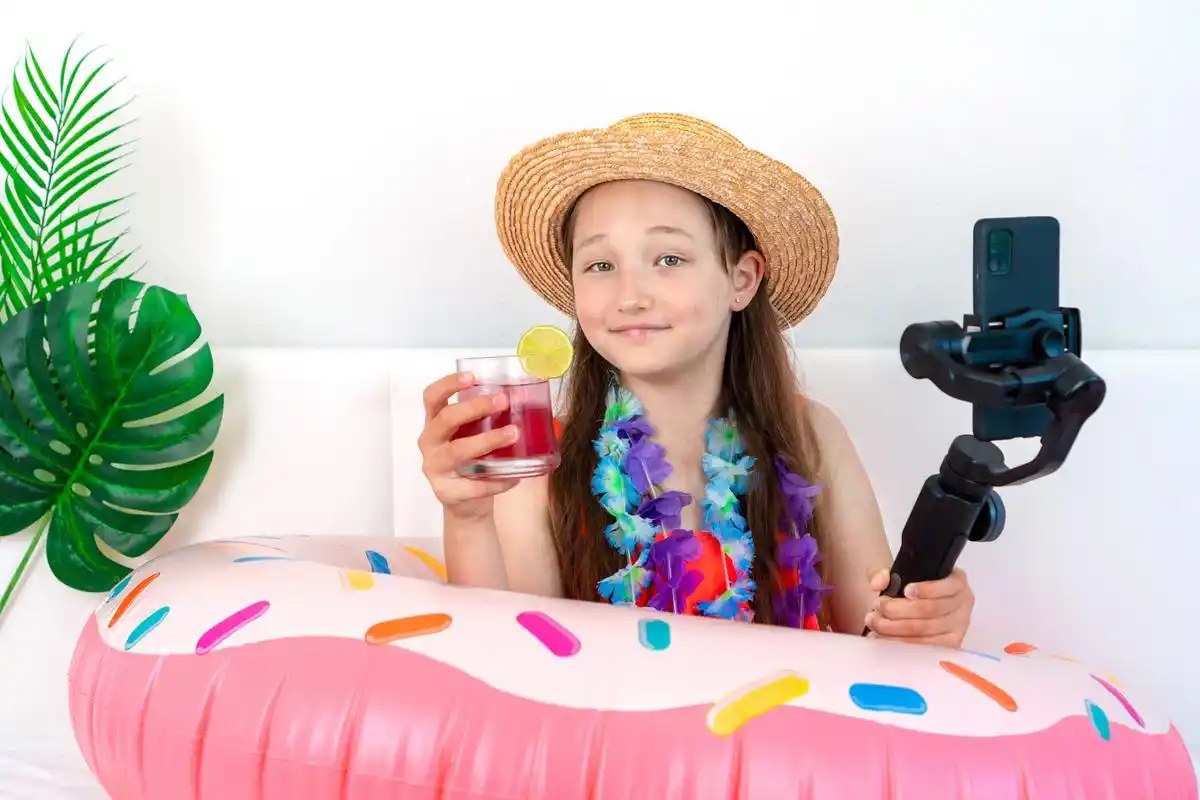
The livestream room is the second half of the plan, and it does a job the videos cannot. A creator video reaches people who were not shopping for you; a livestream room catches the people who saw the video, did not buy, and came back to look. That second group is larger than most sellers expect in the last week of a campaign, because the video created the intent and the campaign deadline supplied the urgency. Two hours a day in a fixed slot is enough to collect it, as long as the slot is the same slot every day so the small audience that is already coming back knows when to come back.
Step 4 — Price the livestream room as its own line
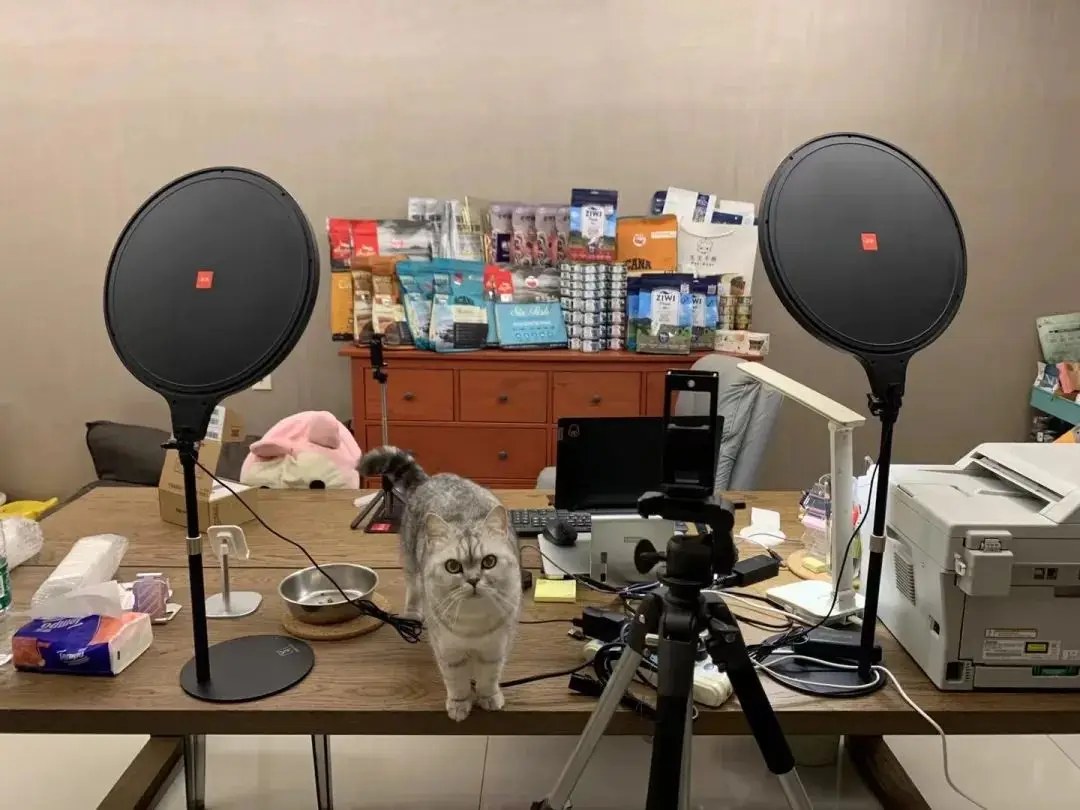
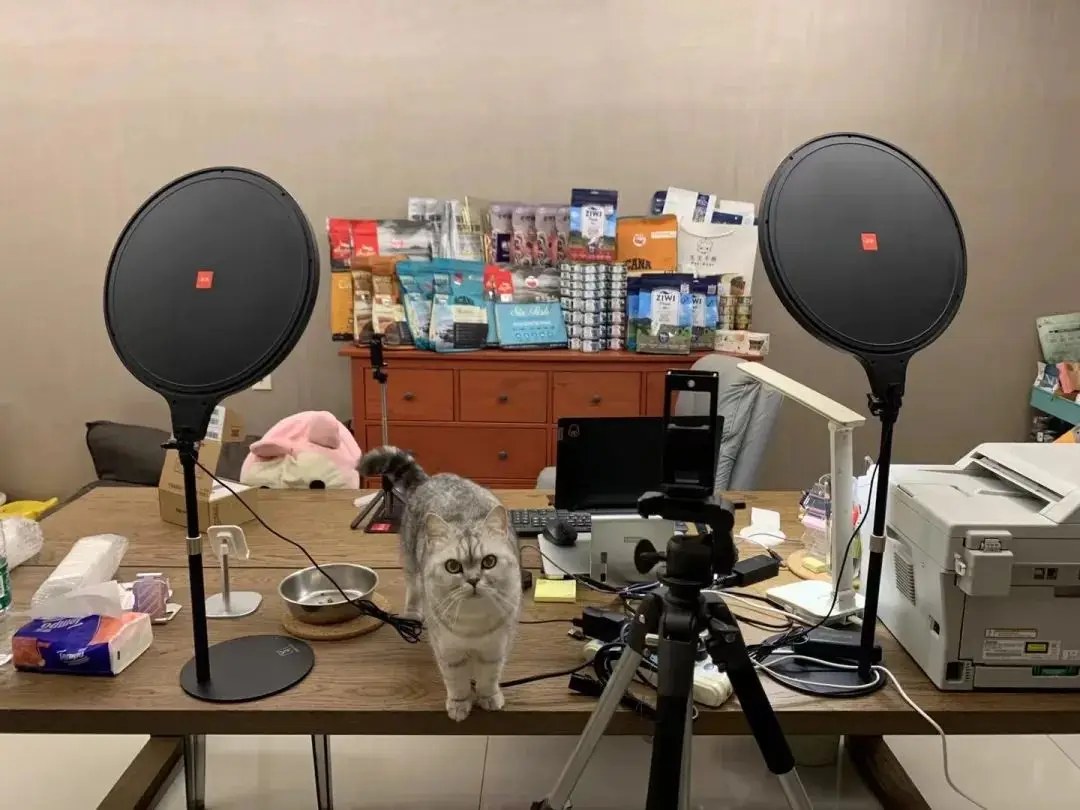
Price the livestream room as a separate line, not as a free add-on to the creator budget. The room costs host hours, a phone stand, two lights and one person on comments, and none of that scales with how many creators you hired. On the numbers above, the room needs roughly nine orders an hour across two hours to cover a day of host time, which is a low bar when a category page has twelve videos pointing at it and an impossible one when it has none. That is why the order in this plan is creators first, room second, and never the reverse.
Keep the sample list and the posting list as two different lists, because they will not match. Build in a replacement round: when a creator has not posted by day four of the window, send the next name on the screened list immediately instead of following up. Following up costs a day and a half and usually produces a promise; replacing costs a sample and produces a video. On a twenty-creator plan you should expect to run three replacement rounds, and you should budget the samples for them from the start rather than discovering the shortfall in the last week.
Where DAMI fits: three moves that keep the list and the room together
DAMI brings an 8-million-plus creator database, competitor and competitor-store creator search, automated outreach tasks, AI-assisted outreach, AI video creation, sample management, campaign management, social media management, store analytics, and multi-store team dashboards into one place. The three filters in this piece are three fields, and the work is keeping them on one screen while you contact people. That is the part a spreadsheet stops doing at around sixty names.
Step one: build the screened list in DAMI instead of in a sheet
Search the 8-million-plus creator database by category and audience country, and pull the competitor-store creator search to see which mid-tier names are already selling products like yours. Output: a list of forty to sixty names that all pass the country filter before you look at anything else.
Step two: run the outreach as a task, not as messages
Put the brief and the sample confirmation into one automated outreach task with a scheduled follow-up, so the forty names move through the same sequence on the same days. Output: one queue you can read, and a record of who was contacted on which date that survives the week.
Step three: keep the videos and the room on the same dashboard
Track posting status, first-48-hour views and store clicks per creator next to the livestream room's hourly orders, so the room's cost is measured against content that actually shipped. Output: a daily number for cost per usable video, which is the only figure that decides whether round two is funded.

Questions sellers ask about mid-tier outreach
My category has no creators with 70% Indonesian followers and real 30-day GMV. What then?
Then the filter is telling you something true: the audience for this product on TikTok Shop Indonesia is not yet built, and no amount of creator budget will build it in two weeks. Drop to the second tier of your own list, creators whose audience country share is lower but whose category GMV is real, and accept that part of the spend is brand exposure rather than conversion. Do not drop the country filter and keep expecting sales.
Is twenty mid-tier creators really better than one top creator?
At the same total cost, yes, and the reason is break-even volume rather than reach. One top creator needs a volume of orders measured in four figures to cover the slot; twenty mid-tier creators need eight orders per video. What the top creator buys you is credibility and a spike, and there are campaigns where the spike is the point. In the last two weeks of a deadline-driven window, distribution of attempts is worth more than concentration of reach.
How do I know a creator's 30-day GMV is real?
Ask for a screenshot of their creator dashboard for the last thirty days, not for a lifetime total, and compare it with the product list on their profile. Numbers that are real come with a category breakdown; numbers that are rounded to the nearest hundred million usually do not. If they will not share it, treat the creator as unverified and put them in the replacement pool rather than the first wave.
Does the livestream room need to be my own, or can it be a creator's?
Either works, but the cost structure is different. Your own room costs host hours and equipment on a fixed schedule, which is what makes it a reliable floor under the campaign. A creator's room costs a slot fee and a commission, which makes it a second attempt at reach rather than a catcher of spill. Do not count a creator's room as your room when you are planning the two daily hours.
I have already paid a deposit to one top creator for 11.11. Should I cancel it?
Not on the strength of an article. The deposit is already spent, so the question is only whether the orders behind that slot justify the money still owed. If the slot is in the window and the creator's category GMV is real, keep it and run the mid-tier plan beside it — the two do different jobs. If the posting date lands after the window, cancel and put the remaining balance into samples, because a video that goes up after the deadline is a video for next quarter.
The number to check before you send another sample
The most expensive thing in this window is not a creator. It is not knowing which creator works, while still paying for all of them. DAMI brings an 8-million-plus creator database, competitor and competitor-store creator search, automated outreach tasks, AI-assisted outreach, AI video creation, sample management, campaign management, social media management, store analytics, and multi-store team dashboards into one place.
Open the creator list you were planning to contact for 11.11 and add three columns beside each name: follower share in Indonesia, GMV in your category over the last thirty days, and return rate on that GMV. Fill in what you actually know. Fifteen minutes will tell you how many of those names you can prove anything about, and that count — not the length of the list — is the size of your real 11.11 creator plan.
Start with DAMI while the numbers are still small enough to read.