If you sell on TikTok Shop in the United States — whether you run a DTC beauty brand, a consumer-electronics seller, or an agency managing creator relationships for clients — you have felt the pattern: a collaboration wraps up, the content goes live, and then the relationship simply drifts. In the US, the teams that scale creator marketing are not the ones with the most creators — they are the ones with the best records. A creator CRM turns one-off deals into a long-term roster. In 2026, the sellers who grow treat creator relationships as an asset to maintain, not a transaction to repeat.
This guide walks through the four steps of that upkeep, and how DAMI keeps every creator record in one place as your roster grows.

Why creator relationships decide your TikTok Shop growth in the United States
A creator who has already worked with you is cheaper to activate, faster to reply, and more predictable to deliver than a stranger. Most sellers know this — and still let those relationships go cold because there is no system behind them.
What gets maintained is what keeps paying. The four steps below turn a pile of past collaborations into a working roster.
Step 1 — Close the loop after every collaboration
The end of a project is the cheapest moment to strengthen a relationship. A short, warm close-out while the work is still fresh costs minutes and pays back for months.
The heart of a creator CRM is one structured profile per creator: contact details, platform, audience size, content category, collaboration history, commission terms, and settlement method. When that is complete, anyone on the team can take over — no more depending on one person's chat history.
Step 2 — Tier your creators so upkeep has a priority
You cannot maintain hundreds of creators equally. Grouping them into tiers tells you who deserves a weekly touch, who a monthly one, and who can wait.
Tag your creators so the right ones surface in seconds: category, market, audience tier, collaboration status, and willingness to re-work. Tags exist so that when you need 'beauty, mid-tier, open to long-term', the list is already there.
Step 3 — Run long-term relationships on rhythm
Long relationships are built from small, repeated reliabilities: clear briefs, samples that arrive, and payment on time. Consistency is what keeps a good creator coming back.
With several people working the roster, the CRM's value is shared context. Who is talking to whom, what terms were last discussed, and what the next step is — all recorded on the profile, so new team members start contributing instead of rebuilding relationships from scratch.

Step 4 — Turn every collaboration into a reusable record
Each finished collaboration should leave something behind: what worked, what did not, and how to reach them next time. That record is what lets the next campaign start warm instead of cold.
Keep logging every interaction: outreach, reply, sample, publish, settlement. That history is both your prioritisation signal and a long-term asset — a creator you have worked with for three years is often worth more than a fresh batch of cold contacts.
How DAMI keeps your creator relationships in one place
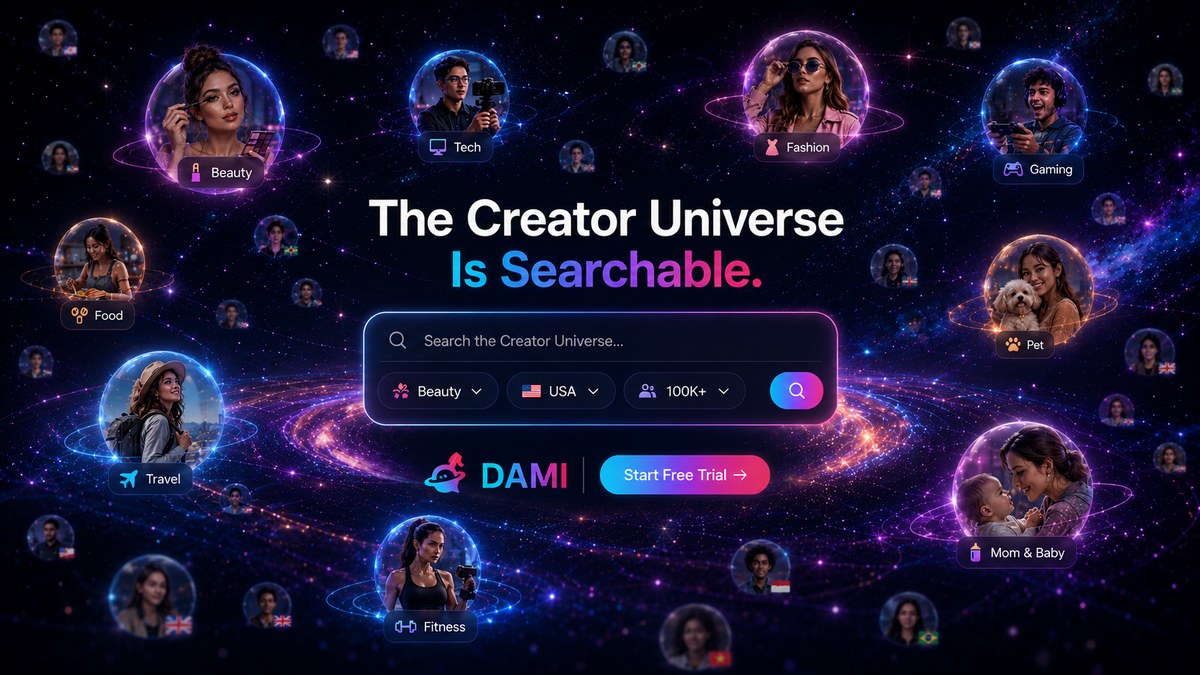
DAMI brings an 8-million-plus creator database, competitor and competitor-store creator search, automated outreach tasks, AI-assisted outreach, sample management, campaign management, store analytics, and multi-store team dashboards into one place. For relationship management, that means a creator database you keep adding to, automated outreach tasks that handle the routine touches, AI-assisted outreach that keeps follow-ups moving, and a team dashboard that shows the roster across stores.
Instead of relationships living in one person's chat history, your team sees one view: which creator, what history, what next. Ready to stop losing good creators to silence? Start with DAMI.

Frequently asked questions
How many creators can one person maintain?
Far fewer than most teams assume. Tiering is what makes it manageable — a small core group gets frequent contact, a wider list gets periodic touches, and a watch pool waits until there is a fit.
What should I do right after a collaboration ends?
Send a short close-out within 48 hours: thank them, share how the content performed, and ask about next time. It takes minutes and measurably lifts your next reply rate.
Do I need a CRM, or is a spreadsheet enough?
A spreadsheet works until several people share the roster. The moment more than one person follows up with creators, a shared record with history and ownership stops the dropped balls.
Conclusion
Creator relationship management in the United States comes down to four habits: close every collaboration properly, tier your roster, keep the rhythm reliable, and record what you learn. Do those and your creator pool compounds instead of eroding.
DAMI brings an 8-million-plus creator database, competitor and competitor-store creator search, automated outreach tasks, AI-assisted outreach, sample management, campaign management, store analytics, and multi-store team dashboards into one place. Get started with DAMI and turn past collaborations into your next campaign's head start.