If you sell on TikTok Shop in Vietnam — whether you run a home-goods seller, a beauty brand, or a fashion label running dozens of collaborations at once — you have felt the pattern: a collaboration wraps up, the content goes live, and then the relationship simply drifts. In Vietnam, campaigns stall not on ideas but on execution: samples sent, videos late, and nobody quite sure who owes what. Managing the collaboration — not just the invitation — is what fixes it. In 2026, the sellers who grow treat creator relationships as an asset to maintain, not a transaction to repeat.
This guide walks through the four steps of that upkeep, and how DAMI keeps every creator record in one place as your roster grows.

Why creator relationships decide your TikTok Shop growth in Vietnam
A creator who has already worked with you is cheaper to activate, faster to reply, and more predictable to deliver than a stranger. Most sellers know this — and still let those relationships go cold because there is no system behind them.
What gets maintained is what keeps paying. The four steps below turn a pile of past collaborations into a working roster.
Step 1 — Close the loop after every collaboration
The end of a project is the cheapest moment to strengthen a relationship. A short, warm close-out while the work is still fresh costs minutes and pays back for months.
A campaign often runs dozens of creators at once. Without one progress view, you get the same failures on repeat: a sample assumed sent but never shipped, a video assumed live but never posted. Put every creator on a single status track — invited, confirmed, sample sent, sample received, content in review, published.
Step 2 — Tier your creators so upkeep has a priority
You cannot maintain hundreds of creators equally. Grouping them into tiers tells you who deserves a weekly touch, who a monthly one, and who can wait.
Agree delivery milestones up front and keep them on record: when the script is due, when it goes live, and which tags and links it must carry. Clear milestones with a paper trail are what stop you discovering on launch day that nothing was filmed.
Step 3 — Run long-term relationships on rhythm
Long relationships are built from small, repeated reliabilities: clear briefs, samples that arrive, and payment on time. Consistency is what keeps a good creator coming back.
Delays are normal; having no plan is not. When a publish date nears with nothing delivered, confirm the cause — product not arrived, schedule clash, content stuck in review — then choose a response: extend, change the angle, or swap the creator. Catching it a day earlier is a day of damage avoided.

Step 4 — Turn every collaboration into a reusable record
Each finished collaboration should leave something behind: what worked, what did not, and how to reach them next time. That record is what lets the next campaign start warm instead of cold.
After the campaign, log delivery quality, punctuality, and content performance into each creator's record. Next time you decide whether to work with them again, you are reading evidence instead of relying on memory — and the whole team shares the same context.
How DAMI keeps your creator relationships in one place
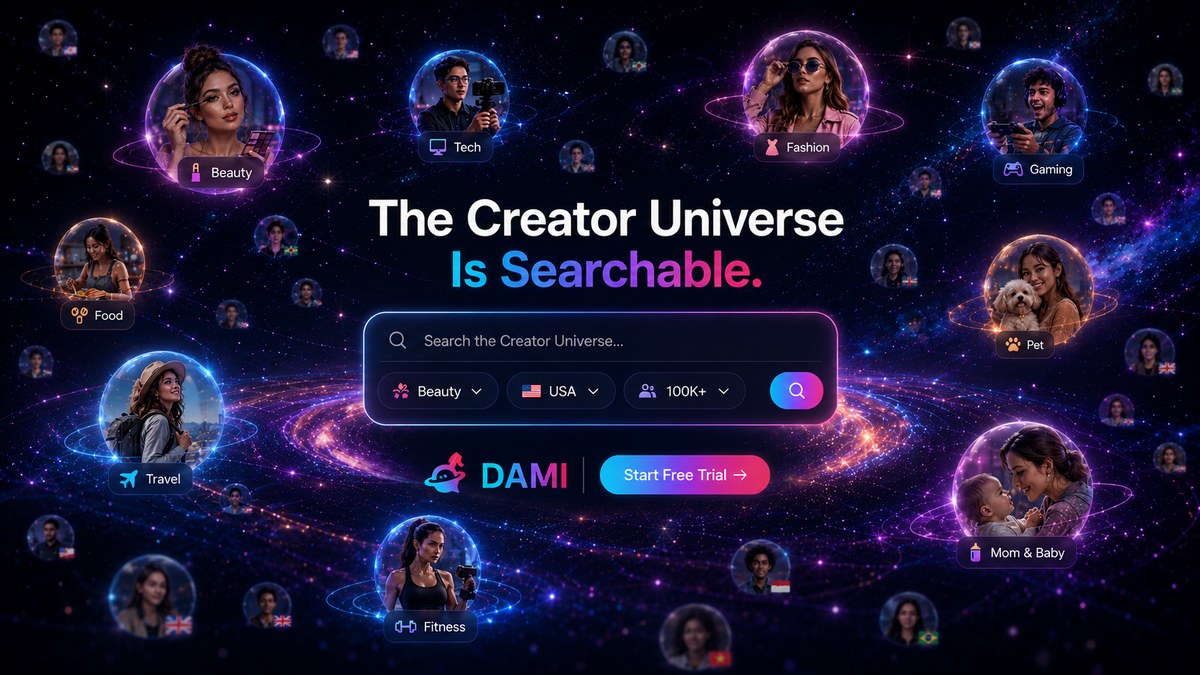
DAMI brings an 8-million-plus creator database, competitor and competitor-store creator search, automated outreach tasks, AI-assisted outreach, sample management, campaign management, store analytics, and multi-store team dashboards into one place. For relationship management, that means a creator database you keep adding to, automated outreach tasks that handle the routine touches, AI-assisted outreach that keeps follow-ups moving, and a team dashboard that shows the roster across stores.
Instead of relationships living in one person's chat history, your team sees one view: which creator, what history, what next. Ready to stop losing good creators to silence? Start with DAMI.

Frequently asked questions
How many creators can one person maintain?
Far fewer than most teams assume. Tiering is what makes it manageable — a small core group gets frequent contact, a wider list gets periodic touches, and a watch pool waits until there is a fit.
What should I do right after a collaboration ends?
Send a short close-out within 48 hours: thank them, share how the content performed, and ask about next time. It takes minutes and measurably lifts your next reply rate.
Do I need a CRM, or is a spreadsheet enough?
A spreadsheet works until several people share the roster. The moment more than one person follows up with creators, a shared record with history and ownership stops the dropped balls.
Conclusion
Creator relationship management in Vietnam comes down to four habits: close every collaboration properly, tier your roster, keep the rhythm reliable, and record what you learn. Do those and your creator pool compounds instead of eroding.
DAMI brings an 8-million-plus creator database, competitor and competitor-store creator search, automated outreach tasks, AI-assisted outreach, sample management, campaign management, store analytics, and multi-store team dashboards into one place. Get started with DAMI and turn past collaborations into your next campaign's head start.