If you sell on TikTok Shop in the Philippines — whether you run a skincare brand, a fashion label, or a gadgets seller fielding creator requests across storefronts — you have probably felt it: sample requests pile up, shipping costs creep higher, and half the products you send never turn into content. In the Philippines, one trending video can flood your inbox with sample requests overnight — and the loudest applicants are rarely the best performers. The sellers who win in 2026 treat samples as an investment with a pipeline, not a favor to whoever asks first.
This guide walks through the four steps of that pipeline, and how DAMI automates the busywork along the way.

Why sample management decides your TikTok Shop margins in the Philippines
Every sample you ship is real money: product cost, packaging, courier fees, and the team hours spent coordinating. Sent to the right creator, it comes back as content that sells for months. Sent to the wrong one, it is a donation.
What separates the two outcomes is not luck — it is whether you screen before shipping, track what happens after, and review the results before the next batch.
Step 1 — Set clear rules for who gets a sample
Write your criteria down before the requests arrive: niche fit, content consistency over the last month, audience match with your hero SKU, and any past performance with your products. Approving against written rules takes minutes; approving by gut feel takes all afternoon and produces worse results.
Philippine sellers often see request floods after a video trends. Screen for niche fit and average views over the last 30 days — not follower count alone, which is easy to inflate and slow to convert.
Step 2 — Budget the real cost before you ship
A sample is not one cost — it is product, packaging, courier, and the follow-up time your team spends. Convert that into a per-sample cost, multiply by the batch size, and compare it against the sales a published review needs to generate. If the math only works when every creator posts, your batch is too big.
Set a monthly sample budget and cap units per creator tier — proven creators earn bigger samples, untested ones get single units first. That keeps the budget flowing toward the top of the list, not the top of the queue.
Step 3 — Track every sample from request to published review
The moment a sample leaves your hands, it needs a status: requested, approved, shipped, delivered, content deadline, published. Any sample without a next action is a sample you have already lost track of — and lost samples are where seeding budgets quietly die.
Log every request with its status — pending, approved, shipped, delivered, published — so nothing gets lost between Viber threads and spreadsheets. A request without a recorded status will resurface as a duplicate three weeks later.

Step 4 — Follow up, handle stalls, and review the results
Creators are busy, and a delivered sample competes with paid deals for their attention. A polite reminder on day three and a firmer note on day seven recover most stalled reviews. When a creator goes quiet twice, stop shipping to them and reallocate the budget to those who delivered before.
Follow up in the Taglish tone creators actually use; a casual check-in converts far better than a formal demand. And review who published on time — that list becomes next month's priority queue.
How DAMI turns sample management into an automated workflow
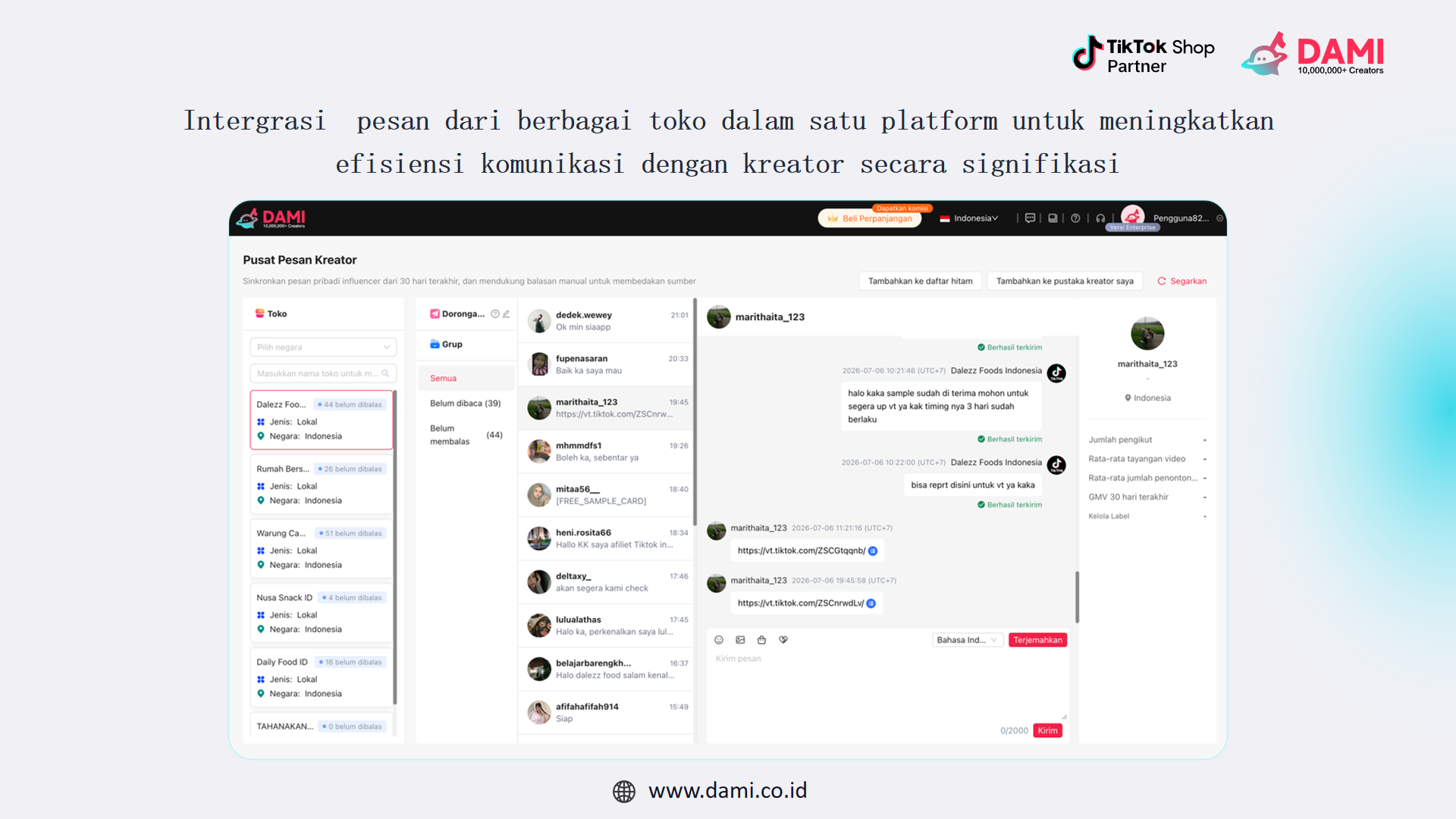
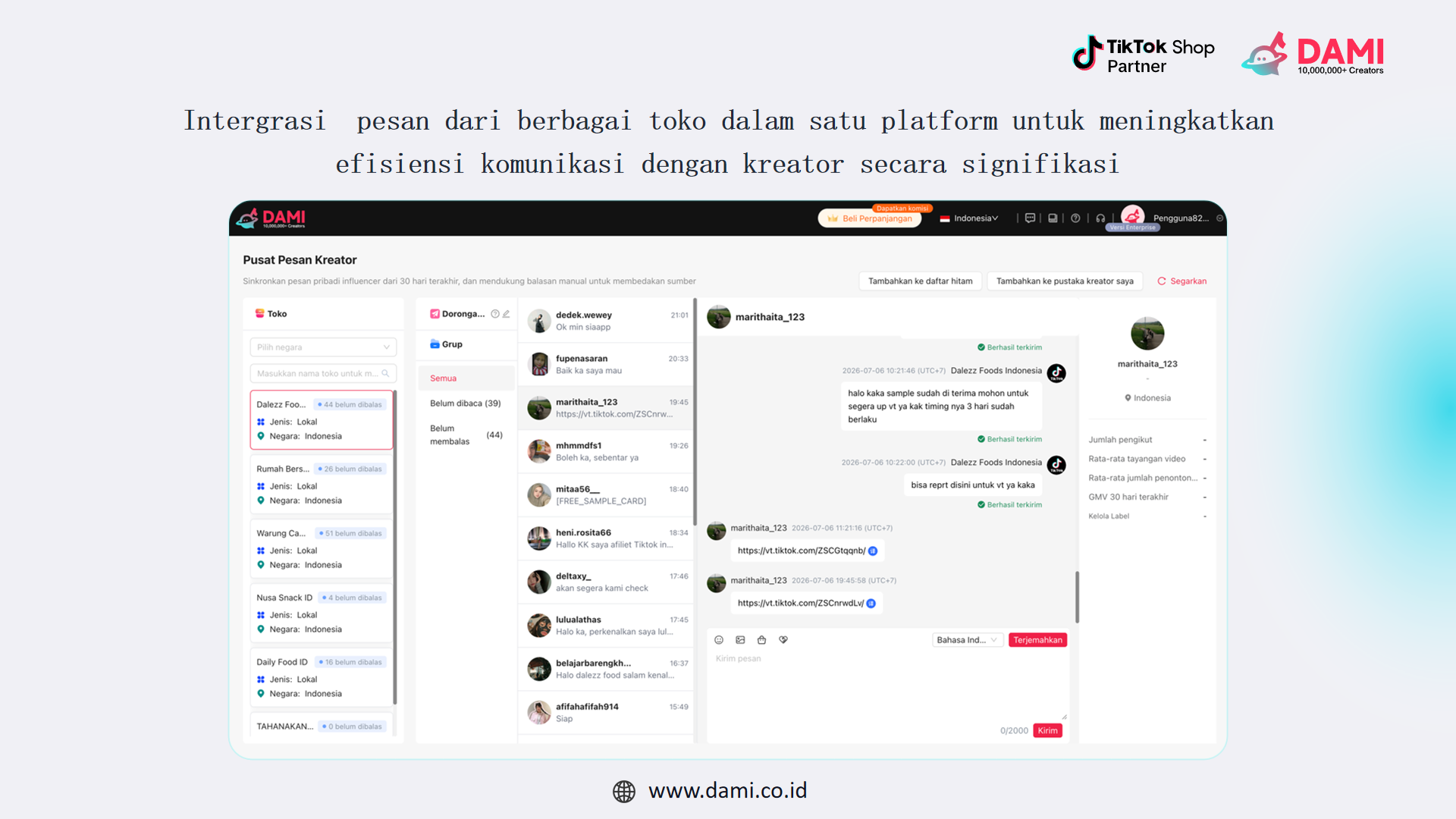
DAMI brings an 8-million-plus creator database, competitor and competitor-store creator search, automated outreach tasks, AI-assisted outreach, sample management, and store analytics into one place. For sample work, that means you can screen creators from the database before approving requests, keep each sample's status on a single board, run follow-up reminders as scheduled tasks, and connect published content back to store analytics to see which creators turned samples into sales.
Instead of chasing couriers and chat threads, your team sees the whole sample pipeline: which creator, which sample, which stage, which result. Ready to stop donating samples? Start with DAMI.
Frequently asked questions
How do I screen sample requests quickly?
Batch them. Review requests once or twice a week against written criteria — niche fit, recent consistency, audience match — instead of reacting to each one as it arrives.
What if a creator never posts the review?
Escalate in steps: a reminder on day three, a firmer note on day seven, then pause future samples for that creator. Reallocate the budget to those who delivered before.
How many samples should I send each month?
Work backwards from budget: per-sample cost times quantity, plus courier fees, within your monthly cap. Start small, measure the publish rate, then scale the batch.
Conclusion
Sample campaigns in the Philippines stop being a cost center the moment you screen before shipping, track after delivery, and review before the next batch. Those three habits turn samples from donations into a measurable growth channel.
DAMI brings an 8-million-plus creator database, competitor and competitor-store creator search, automated outreach tasks, AI-assisted outreach, sample management, and store analytics into one place. Get started with DAMI and make every sample count.