
If you sell a TikTok Shop Philippines seller in apparel, beauty or electronics accessories who settles creator commission every month and has had more than one dispute go against you, the constraint that decided this year was not how much content you could produce. It was whether what the content says can be proved. The Philippine platform published its After-Sale Dispute Escalation Handling Policy on 25 September 2026, and the shape of it matters more than the name. TikTok Shop resolves escalated disputes by weighing the facts of the case, the order record, whatever the buyer submitted, and whatever the seller submits — which means the outcome is decided less by what happened than by what each side can produce. Trade coverage of the policy flagged two scenarios where a seller with a thin record loses almost automatically: a wrong-item dispute, where without pre-dispatch photos, parcel weight, packaging detail and tracking you cannot prove what you sent; and a swap dispute, where without a return inspection record you cannot show what came back. Layer on top the Creator Enforcement Policy updated on 2 June 2026, under which commission settlement timelines can be extended while disputes, refunds or return requests remain unresolved, and the record you keep stops being admin. It becomes the thing that decides whether your creators get paid on time.
Price the gap in the units you actually lose. Take a Philippine shop doing 2,000 orders a month at ₱450 average order value, so ₱900,000 of GMV and about ₱72,000 of creator commission at an 8% rate. At a 12% return rate that is 240 returns. Assume roughly 30% of those escalate — 72 cases — and that about half turn on wrong item or swap, the two categories where a missing record loses outright. Thirty-six lost cases at ₱450 is ₱16,200 of cash gone. The fee side adds quietly: from 1 September 2026 the per-order processing fee returned to ₱5 including tax after a nine-month waiver, and it is generally not refunded when the buyer later returns, so 2,000 orders is ₱10,000 a month that never comes back. The larger number is the commission pool: when disputes stay open, settlement can be extended, and creators who wait past a month start taking other briefs. Lose 15% of a twenty-creator roster to that and you are down three creators, which at ₱45,000 of attributed GMV each is ₱135,000 of GMV a month. Building the file takes about forty seconds per order — 22 hours a month on 2,000 orders, and far less once it is a station step rather than a rescue mission.

Why the burden moved to you, and what it costs when it does
Three changes landed close together and they point the same way. On 3 September 2026 the Philippine site updated its change-of-mind return policy, excluding motorcycles, pre-order or second-hand goods, food and beverage, certain infant food and nutrition products, underwear and swimwear, earrings and body jewellery, some health and personal care items, pet food and some large appliances. Read that list backwards and it is the platform's own map of where returns concentrate — which is why apparel, beauty and electronics accessories sit at the centre of this. On 1 September the nine-month processing-fee waiver ended at ₱5 per order including tax, generally not refunded on a later return, and transport-related service fees began carrying 6% service tax. Then on 25 September the dispute policy arrived. None of these are fines; they are a repricing of who absorbs the cost of an unresolved order, and the answer is now you.
The response-time rules push in the same direction and are easier to miss because they sit in shop scoring rather than in disputes. Across Southeast Asia cross-border, average after-sales response time replaced buyer complaint rate as a core shop score input from July 2026, with a target inside 20 hours; first response has been tightened to 12 hours; dispute handling moved from 72 hours to 48. In the first quarter of 2026, 34% of disputes originated in slow customer-service response, up nine points year on year, and shops responding slower than 12 hours showed repeat-purchase rates 47% below shops responding within six. A record you can produce in an hour keeps the response short; a record that takes a week to assemble turns one dispute into a scoring problem.
Step 1 — Keep the collaboration confirmation as a dated record, not a chat
File one is the collaboration confirmation, and it is the one almost nobody keeps because it feels like paperwork between two parties who already agree. For every creator order, record the creator handle, the SKU, the agreed commission, whether a sample was sent and on what date, and the date the brief was accepted. Put it in one sheet with one owner, not in five chats. This file is what turns a later disagreement about what was promised into a lookup instead of an argument, and it matters most in the affiliate disputes where the creator's account shows one thing and your shop record shows another.
Keep the confirmation in the same place you keep the payout, because disputes about commission are almost never disputes about the product. When a creator asks why a month's commission moved, the answer has to come from one record that holds the rate, the sample date and the order dates together. If those live in three tools, the explanation takes three days, and three days of an unresolved question is exactly the window in which a creator stops recommending your briefs to the people they know.
Three files per order is the whole system, and it fails the same way every time: it lives in one person's habits and disappears when that person is on leave. register with DAMI and ask the team for the Philippine dispute evidence folder template so the folder structure, the naming rule and the owner are written down before the next busy week rather than after the next lost dispute.
Step 2 — Capture dispatch and delivery on every order, not on the disputed ones
File two is dispatch and delivery, captured on every order rather than on the ones that later go wrong. Four items: a photograph of the item before it is sealed, the parcel weight, the packaging detail, and the tracking record. A phone on a packing station shooting one frame per parcel costs seconds and covers the wrong-item case completely. The reason to do it on every order rather than selectively is that you do not know which order will be disputed, and a record assembled after the dispute notice arrives is exactly the record that looks assembled. Note that cash on delivery is still roughly 60% of transactions here, and COD refunds are paid to a GCash, Maya or bank account over three to seven business days rather than reversed — so proof of delivery is the only thing standing between you and an order that was paid for at the door and later claimed as undelivered.
Set the retention window from your return window rather than from your storage budget. Returns on most Philippine orders run 15 days from delivery, and the dispute escalation path sits on top of that, so a record you delete at day ten is a record you needed on day twenty. Thirty days of parcel photos is not a large file if you cap the resolution; ninety days is comfortable and lets you spot a pattern across returns rather than only defending a single case.
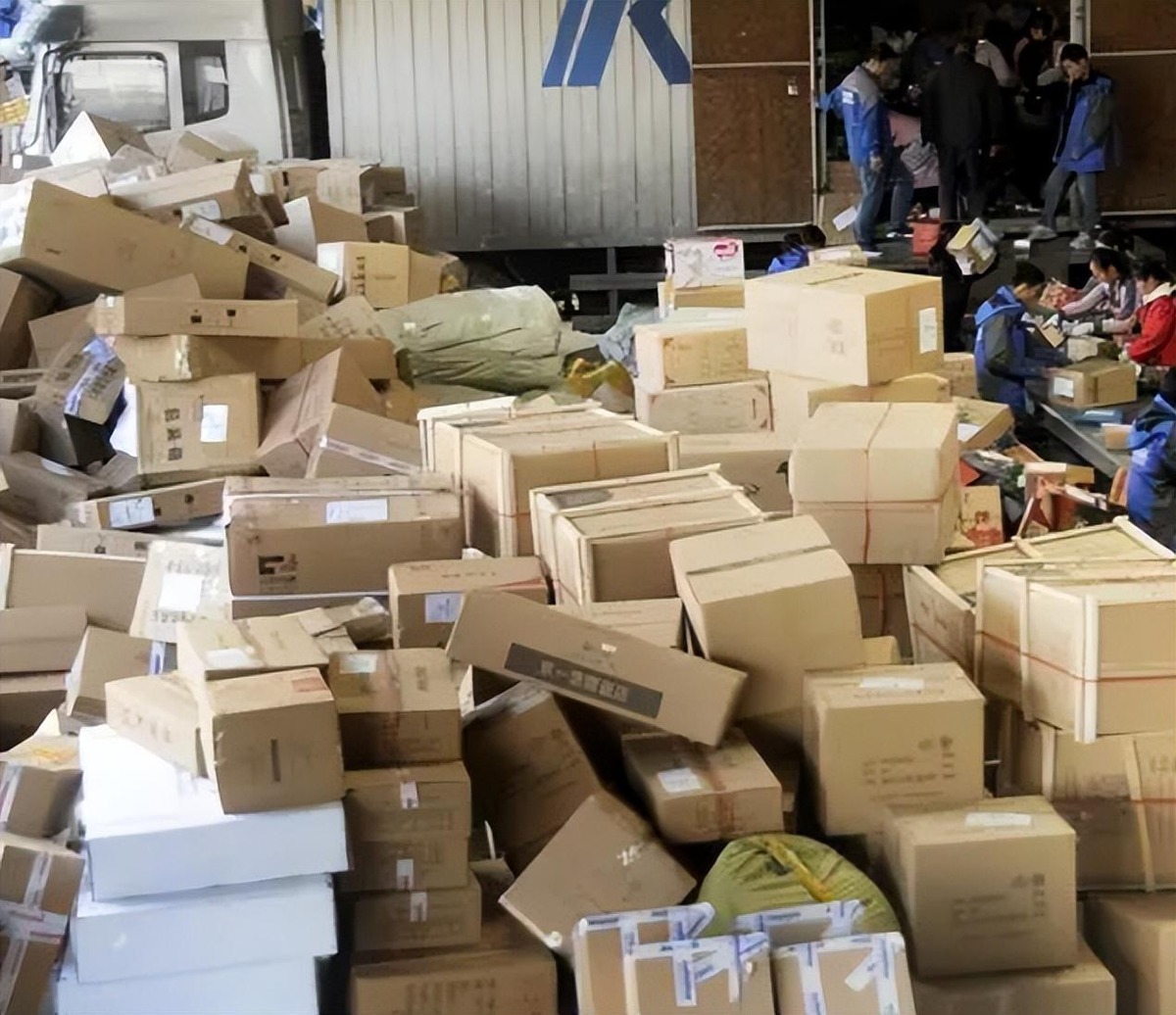
Step 3 — Inspect every return on camera and bind it to the order number
File three is the return inspection, and it is the only one of the three that exists purely because disputes happen. Open every returned parcel on camera, capture whether the item is missing, damaged or swapped, and bind the result to the order number the same day. This is the file that decides the swap case, where the buyer returns something that is not what you sent and the platform has no way to choose between two stories except by looking at what each side recorded. One worker with a phone and a printed order slip can do this in under a minute per parcel, and one minute per return is the cheapest insurance in this entire plan.
Bind the inspection to the order number rather than to the parcel, because parcels get re-used and order numbers do not. A folder named by tracking number works until a carrier reissues one; a row in a sheet keyed on the order number, with a link to the photo, survives staff changes and carrier changes. Write the conclusion as one of four words — intact, missing, damaged, swapped — so that the file can be counted rather than read, and you can see which SKU and which creator is generating the swap cases.
Step 4 — Make the record a station step so it survives a busy week
None of this survives a peak week if it depends on remembering. Make it a station step: the phone is mounted at the packing table, the scale is in frame, the photo is taken before the tape, and the order number is written on the slip while the parcel is still open. Then appoint one owner for the Issue Center — someone whose weekly job is to check that every open case has a response, a deadline and a named person. The point is not diligence. It is that a process run at the station produces records on the orders you did not expect to dispute, which are the only ones that matter.
Two checks tell you whether the system is real or decorative. First, pick ten random orders from last month and try to assemble all three files inside ten minutes; if you cannot, the gap is in the process, not in the people. Second, once a month, sort returns and disputes by SKU and by creator and look at which combinations generate the most cases. That table is the only output that changes what you sell and who you brief, and it is the reason to keep the four-word inspection conclusions rather than free-text notes.
How DAMI keeps the three files tied to the order instead of to a person
DAMI brings an 8-million-plus creator database, competitor and competitor-store creator search, automated outreach tasks, AI-assisted outreach, AI video creation, sample management, campaign management, social media management, store analytics, and multi-store team dashboards into one place. Three actions keep the three files tied to the order rather than to whoever happened to be on shift, and each one produces something you can audit:
Send and store the collaboration confirmation on one channel
Run creator outreach through DAMI's email broadcast with link tracking, so the brief, the rate, the sample date and the acceptance all sit in one traceable thread rather than across five chats. The output is one record per creator order that you can export for a dispute without reconstructing a conversation.
Automate the dispatch and follow-up steps so they do not depend on memory
Set the confirmation, the sample dispatch reminder and the post-delivery check as automated tasks in DAMI so each step fires on a date rather than when someone remembers. The output is a timestamped sequence per order — brief accepted, sample sent, video posted — which is the same sequence a dispute asks you to prove.
Review returns and disputes by SKU and by creator every month
Use DAMI's store analytics to break returns and disputes down by SKU and by the creator who drove the order, then rank them. The output is a monthly table that tells you which SKU to stop sampling and which creator relationship is generating more dispute cost than GMV.

Frequently asked questions
Is this only worth doing for high-value orders?
No, and the reason is the fee structure rather than the order value. The ₱5 per-order processing fee that returned on 1 September 2026 applies to every order and is generally not refunded when the buyer later returns, so the cost you are defending on a ₱450 order is not small relative to the margin. Capture the dispatch evidence on every order; vary only how long you keep it.
What about cash on delivery orders, where the buyer paid at the door?
These need the dispatch file most. COD is roughly 60% of Philippine transactions, and a COD refund is paid out to a GCash, Maya or bank account over three to seven business days rather than reversed, so there is no payment trail to fall back on. Proof of delivery and a pre-dispatch photograph are the only two things that resolve an undelivered claim on a COD order.
Can I assemble the evidence after the dispute notice arrives?
You can submit it, and it performs worse than a contemporaneous record for an obvious reason: a file created after a notice looks created after a notice. The two cases where sellers lose outright — wrong item and swap — are both decided on what was captured before anyone knew there would be a dispute.
Will better records actually stop creators from leaving?
They remove one specific cause, which is the one you control. Since the 2 June 2026 creator enforcement update, commission settlement can be extended while disputes stay unresolved, so a slow record becomes a late payout for someone who did nothing wrong. Faster closure does not guarantee retention, but an unresolved commission question guarantees the conversation goes badly.
Can I manage all three files in a shared drive?
Yes for a month, and then the naming breaks. A shared drive holds photos fine; what it does not do is bind the inspection conclusion to the order number, count four-word outcomes across SKUs, or fire the follow-up steps on a date. The failure is not storage — it is that nobody files the photo on the week the volume spikes, which is the week the disputes come from.
Conclusion
Authenticity is the one input that decides whether your content is allowed to keep running, and everything above is about making every video hold up on the day somebody checks it. DAMI brings an 8-million-plus creator database, competitor and competitor-store creator search, automated outreach tasks, AI-assisted outreach, AI video creation, sample management, campaign management, social media management, store analytics, and multi-store team dashboards into one place.
Pick ten random orders from last month and try to assemble all three files — collaboration confirmation, dispatch and delivery, return inspection — inside ten minutes. Whatever you cannot produce is the gap, and it is a process gap rather than a people gap.
Start with DAMI and put the check where the content is approved rather than where the policy is stored.