
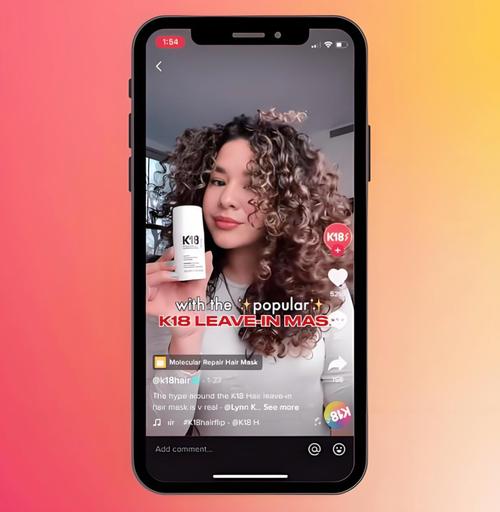
A successful TikTok affiliate strategy for women's fashion relies on three pillars: selecting products with strong visual details, choosing content formats that match the product type, and inserting call-to-actions naturally. The women's fashion category on TikTok is highly saturated, so content that merely displays a product without a specific angle will be scrolled past immediately.
Why Women's Fashion Content on TikTok Easily Gets Lost
Open TikTok, search for women's fashion hashtags, and within 30 seconds you'll see dozens of videos with nearly identical patterns: someone spins in front of the camera wearing new clothes, then mentions the price. This is the root problem that makes it difficult for many affiliates to grow in this category. The market is already saturated with content that doesn't differentiate one product from another.
Common mistake: content that's too generic and doesn't differentiate products
Beginner affiliates often assume that visually displaying a product is enough. However, fashion audiences on TikTok are used to seeing hundreds of similar videos every week. Generic content like an "outfit check" without a specific angle gives no reason to stop scrolling. What sets content apart is when an affiliate shows something that can't be seen from product photos: how the fabric drapes when moving, how the color changes under sunlight, or how practical the product is for daily activities. Without a specific content angle, any product will look the same.
What TikTok fashion audiences are actually looking for
TikTok fashion audiences aren't looking for a product catalog. They're looking for visual proof that a product is worth considering: real demos of how the fabric feels when worn, styling that shows the versatility of one item for various occasions, and transitions that reveal a genuine transformation. Demos and styling work more effectively because they provide context that product photos on a store page can't. Audiences want to know whether a blouse works for the office or a hangout, whether a skirt is see-through, whether the color matches the photo. These visual answers are what make viewers decide to click the yellow cart.
Choosing Fashion Products That Have a Content Angle
Many affiliates get stuck taking an entire brand catalog without filtering which products could make compelling videos. Yet an effective TikTok affiliate strategy for women's fashion starts long before the camera rolls — at the product selection stage. Not every item is worth promoting in a short-form format, and forcing a product that lacks visual appeal will only produce flat content that viewers scroll right past.
Criteria for products that are easy to demo visually
Products that work well on TikTok typically have details that are immediately visible on camera without lengthy explanation. Some practical examples:
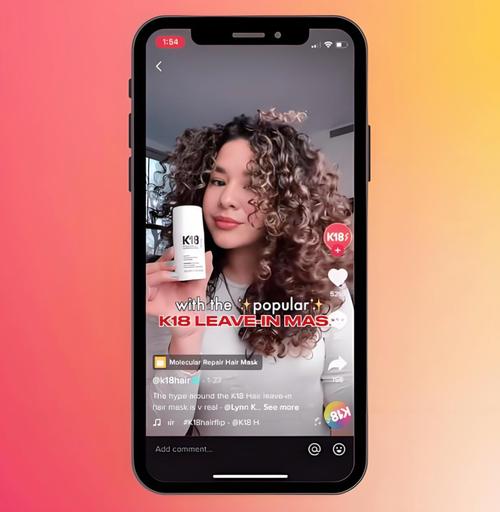
- A dress with fabric texture that moves beautifully when walking
- A blazer with an oversized cut that clearly stands out from a regular blazer
- A top with a color that pops on a phone screen
Products like these can be styled repeatedly with different looks — for example, worn to the office, to a cafe, or to a weekend event. One item can produce three to four videos with different angles, making it more efficient from a content production standpoint.
Products that are hard to sell through fashion content alone
Conversely, products that require detailed explanations about sizing, technical materials, or special care tend to be hard to sell in a 15-to-30-second format. Jeans with inconsistent sizing across styles risk creating false expectations if viewers buy without trying them on. The same goes for products with colors that are difficult to capture on a phone camera, such as certain nude or pastel shades, which can look different on screen under varying lighting conditions. Affiliates need to honestly mention these limitations, because exaggerated claims about fit or quality will only damage audience trust in the long run.
Content Formats That Stand Out: Demo, Styling, and Transitions
The choice of format determines whether viewers stop or scroll right past. In a TikTok affiliate strategy for women's fashion, three core formats have different strengths and weaknesses depending on the product type and target audience.
Comparison of three main content formats
| Format | Strengths | Weaknesses | Best suited for |
|---|---|---|---|
| Product demo | Viewers see the product in real life | Without usage context, it feels like a regular ad | Items with visual details: fabric texture, stitching, how fabric drapes |
| Styling lookbook | Viewers immediately get styling ideas | Requires more outfit preparation and longer production time | One product for various situations: work, hangout, formal |
| Outfit transition | Strong visual hook in the first three seconds | If not smooth, viewers feel deceived | Grabbing attention quickly with dramatic visual change |
How to craft a relevant first-three-seconds hook
An effective hook for fashion content isn't just an invitation to check out an outfit — it's a specific promise: "three ways to wear this blazer to work" or "this dress fabric is perfect for hot weather." The most common mistake is using a hook that's irrelevant to the content, such as opening with a dramatic transition but then not clearly showing the product afterward. TikTok fashion audiences quickly scroll past content that feels deceptive or doesn't deliver concrete value.
Natural Call-to-Actions and Risk Boundaries
The last element that often brings down women's fashion content isn't the video quality, but how the affiliate closes it. Many simply push the yellow cart link at the end of the video without context, making viewers feel forced into watching an ad.
CTA patterns that don't feel forced

The most natural approach is to mention the link after viewers have seen the product's value visually. For example, after a styling demo showing three different looks with one top, the affiliate can mention that the product link is in the yellow cart without stopping the demo. This pattern is more effective than cutting the video specifically to say "buy now." Mention the link when viewers already have a reason to click, not before.
Risk boundaries: avoid exaggerated claims and fake reviews
The most important ethical boundary is honesty in demos and styling. Don't claim a fabric is "breathable when it's actually hot" or "flattering for all body types" if you're not sure. Exaggerated claims will damage audience trust and risk being reported. Fake reviews, including praising products you've never tried yourself, are a violation that can cause an account to permanently lose credibility. If a product has shortcomings, mention them openly. TikTok fashion audiences appreciate affiliates who are honest about sizing or stitching quality more than those who only show the positive side.
FAQ: Women's Fashion Affiliate Content on TikTok
What's the best content format for women's fashion affiliates on TikTok?
There's no single best format for all products. Product demos are best for items with visual details, styling lookbooks for demonstrating versatility, and outfit transitions for grabbing attention quickly. Choose a format based on the product type and target audience.
When should you mention the yellow cart in a video?
Mention the link after viewers have seen the product's value visually, not at the beginning of the video. This pattern makes the CTA feel natural and not forced.
What types of fashion products are hard to sell on TikTok?
Products that require detailed explanations about sizing, technical materials, or colors that are hard to capture on a phone camera tend to be difficult to sell in a 15-to-30-second short format.
Do affiliates need to try a product before recommending it?
Yes. Fake reviews or praising products you've never tried yourself can permanently damage your credibility. Honesty about a product's shortcomings actually builds audience trust in the long run.