
Common Misconceptions About How Creators Earn from TikTok Shop
How exactly do creators make money from TikTok Shop? This question often arises, but the answer is rarely explained concisely. Many beginner creators enter with the assumption that the only way is to sell their own products, whereas the TikTok Shop ecosystem provides several monetization paths that work with different logic.
The most common misconception is mixing up two concepts: being a seller and being an affiliate. Sellers must prepare stock, manage shipping, and bear capital risks. Affiliates only promote other people's products and earn a commission per transaction. Beginners who immediately choose the seller path often get trapped in operational burdens that could actually be avoided in the early stages.
The practical decision here is quite simple: if you don't have a product yet and don't understand e-commerce logistics, the affiliate path is a lighter entry point. Conversely, if you already have a brand or product ready to ship, live shopping and your own store options can be explored right away.
What needs to be understood is that TikTok Shop for creators is not a single entry door, but several doors with different readiness levels. Choosing a path that doesn't match your current capacity can actually slow down your channel's growth.
Comparison of TikTok Shop Monetization Options for Creators
Choosing the wrong monetization path early on can trap creators in managing stock when their main goal is just creating content. In this ecosystem, the main difference between options lies in operational burden and capital risk. Understanding these limitations helps you avoid the mistake of taking on logistical responsibilities you are not ready to handle.
| Monetization Option | Suitable For | Operational Burden | Capital Risk |
|---|---|---|---|
| Affiliate | Creators without their own products | Low (focus on content) | Low (no stock) |
| Direct Selling (Live Shopping) | Creators with a product business | High (logistics, customer service) | High (stock and initial capital) |
TikTok Shop Affiliate for Audiences Without Products
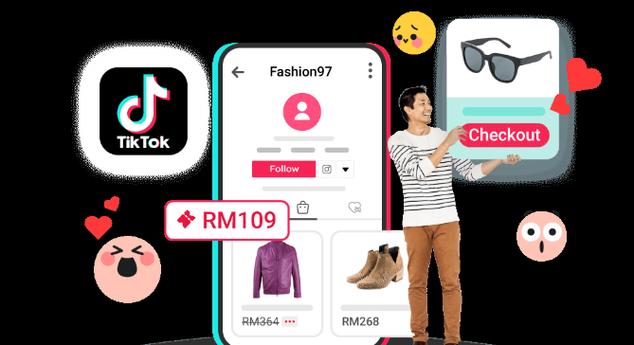
The affiliate path allows creators to promote products from a catalog without needing to produce or store goods. You earn a commission every time your audience buys through the link or yellow cart in your video. This option is ideal for beginners because the operational burden is minimal, allowing full focus on content quality and audience interaction.
Live Shopping and Selling Your Own Products
On the other hand, the option to sell your own products through live shopping demands mature business readiness. Creators must manage inventory, shipping, and after-sales customer service. Although the profit margin per unit can be higher, the initial capital risk for stock and goods storage operations becomes a limitation that must be carefully considered before starting.
Practical Criteria for Choosing Monetization Options and Risk Limits
Choosing a monetization path on TikTok Shop is not just about chasing the most popular option, but about matching the resources creators currently have. Many beginners get trapped taking a path that actually burdens their operations.
First, assess capital and product ownership. If you do not have stock or initial capital, becoming a TikTok Shop Affiliate is the most logical choice. You trade content creativity for commissions without needing to worry about inventory or shipping risks. Conversely, choosing direct selling or live shopping forces you to bear the logistical burden from day one.
Second, consider operational capacity and risk limits. A fatal mistake that often occurs is creators immediately building their own store when their audience is not yet mature enough. Selling your own products requires team readiness to manage packaging, customer complaints, and returns. As a practical rule, if 80% of your focus is still on content creation consistency, stay on the affiliate path. Do not switch to direct selling until you have adequate operational capacity and an audience that shows real demand for a particular product.
Understanding these limitations is crucial for TikTok Shop for beginner creators so as not to misstep and get trapped in operational losses early in the journey.
Recommended Starting Path and Frequently Asked Questions
For beginner creators just understanding this ecosystem, the affiliate path is the most rational entry point. The reasons are operational: affiliate does not demand stock capital, there are no logistical management obligations, and the financial risk is almost zero. Creators can simply focus on the one thing they already master: creating content that attracts an audience. Before considering other paths like live shopping or selling your own products, first study the TikTok Shop affiliate registration tutorial to understand the technical requirements and approval process.
Frequently Asked Questions
Is TikTok Shop affiliate suitable for creators with few followers? Yes, this path does not require a large number of followers. What is more determining is the ability to create content relevant to the promoted product category.
How long does it take to get the first commission? There is no guaranteed timeframe. Commissions depend on the sales volume generated through the links or yellow carts in the creator's content.
Can creators switch to selling their own products later? Yes. Many creators start with affiliate to understand the audience's purchasing patterns before eventually launching their own products.
One practical note: do not rely on one type of product or one content format early on. Test several product categories and short video or light live formats to see which resonates most with the audience. The main risk limit is compliance with TikTok Shop policies, including the prohibition of promoting products that do not match the account category and the obligation of transparency regarding the embedded affiliate links.