
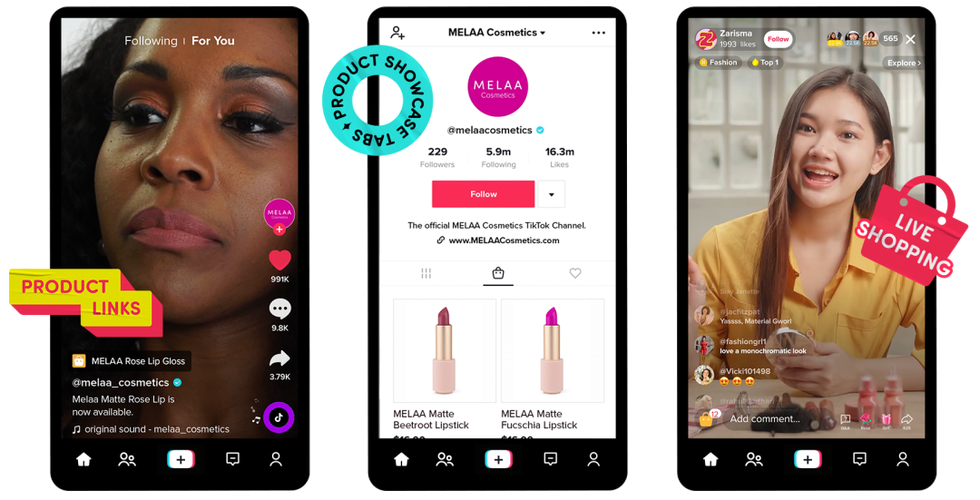
Products with high views are not necessarily close to purchase. On TikTok Shop, a video can get many views, comments, and clicks because it is interesting to watch, but still not result in meaningful checkouts. For sellers, this condition is prone to misreading. The product seems to have attention, but it may not be in front of people who truly need it, trust it, and are ready to buy.
Therefore, a product not selling due to wrong audience should be read as a diagnostic problem, not a verdict that the product is a failure. Before changing the product, lowering the price, or creating dozens of new content, sellers need to examine the relationship between who comes, why they are interested, what barriers arise, and what message is visible in the content and product page.
Start with the most important question: who is actually coming?
The initial mistake often made is treating all traffic as a market signal. In fact, people who watch product videos can come for many reasons: the content is funny, the demo is satisfying, the visuals are unique, they are following a trend, or just curious. Signals like these are useful for reach, but not enough to read purchase intent.
Audiences closer to purchase usually show attention to the problem the product solves. They ask about function, material, size, variations, usage, suitability for certain conditions, risk of wrong choice, or realistic results. If comments discuss the video more than the need, then the seller cannot yet conclude that the market is a good fit.
Audience fit map
Use this simple map to read traffic quality. The first layer is curious viewers, i.e., people who stop because the content is interesting but have no clear need. The second layer is people with a problem, i.e., audiences who start connecting the product to their situation. The third layer is potential buyers, i.e., people who are already weighing details, risks, and reasons to buy now.
If the product is seen by people but rarely bought, find out in which layer the majority of responses occur. Large traffic in the first layer usually requires improving the content angle. Traffic in the second layer requires sharper benefit messaging. Traffic in the third layer requires a more convincing product page and clearer answers to purchase barriers.
Distinguish curiosity, mild interest, and purchase intent
Views, clicks, and comments do not carry the same weight. Curiosity usually appears as general comments, reactions to trends, or responses that do not touch core needs. Mild interest starts to show when people compare features, materials, sizes, usage, or use cases. Purchase intent is stronger when questions go into variations, stock, shipping, suitability of use, proof of use, and risks after purchase.
The practical boundary: do not make decisions from one video, one day of impressions, or one standalone metric. Read TikTok performance together with content hook, comment content, clicks to product, add to cart if available, and clarity of the TikTok Shop page. If content attracts the wrong people, numbers can look busy while trust to buy remains weak.
Find the most reasonable buying trigger
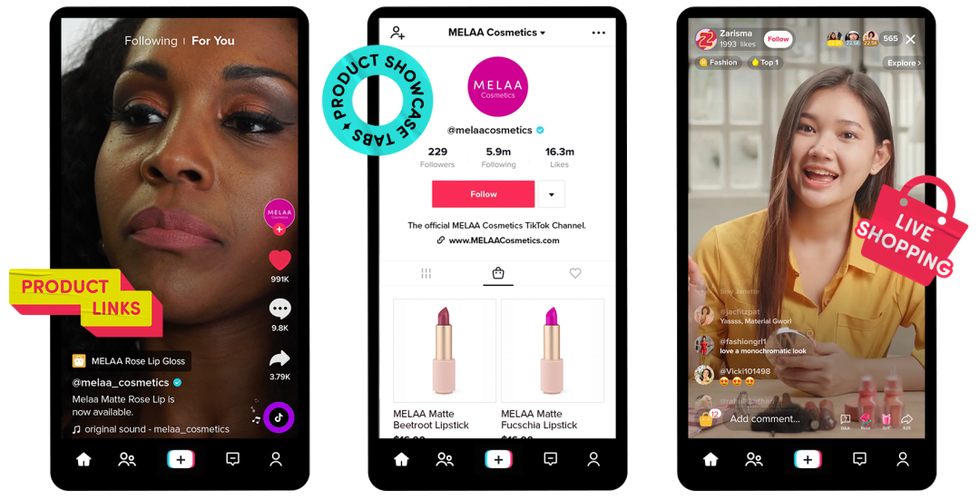
The same product can have different buying reasons for different audiences. One product might be bought because it saves time, is tidier, more comfortable, safer, suitable as a gift, or helps with routine needs. The problem arises when sellers convey benefits too generally, so audiences do not feel the product is made for their situation.
Choose one main buying trigger to test first. For household products, the trigger could be convenience and tidiness. For care products, the trigger could be comfort of use and suitability for conditions. For gift products, the trigger could be impression, function, and ease of choosing. Examples like these are not performance claims, but ways to structure the message angle to fit the usage context.
Do not change price, hook, photos, description, target audience, and promo all at once. If all variables change in one round, sellers cannot read which part actually helped. For initial testing, it is enough to match one audience, one buying reason, one main objection, and one call to action.
Note objections before changing the product
Buyer objections are not always a sign they reject the product. Often, objections indicate incomplete information. Potential buyers might hesitate because the size is not clearly depicted, the material is not explained, the usage is not shown, the expected results are not realistic, or the risk of wrong choice is not addressed.
Check patterns of repeated questions. If many people ask whether the product is suitable for certain conditions, the content message needs to show usage context. If many ask about size, photos and descriptions need to be clearer. If questions go into warranty, stock, or variations, the problem might not be wrong audience, but a product page that is not convincing enough.
Wrong audience, wrong offer, or wrong content?
A product not selling due to wrong audience usually shows busy interaction but not approaching purchase decisions. Comments discuss entertainment, video appearance, trends, or side issues. The audience that comes does not have strong need, urgency, or usage context. In this condition, the first improvement is to retest who the realistic buyer is and what message makes the product feel relevant.
Offer problems are different. The audience seems relevant when they ask about purchase details, variations, stock, shipping, materials, sizes, proof of benefits, or usage risks, but still do not proceed to checkout. Here, sellers need to examine the main photo, title, description, variations, proof of use, clarity of benefits, and information that affects trust.
Opening content problems are also different. Hooks that are too general or too entertainment-focused can attract curious viewers, not potential buyers. Serious buyers usually need problem context, usage situations, and reasons to buy. Test content angles closer to needs, for example from just an interesting demo to a demo for a specific situation.
Lower-risk message testing steps
Use this work sequence: audience, buying reason, proof, objection, call to action. First determine who the buyer you want to test is. After that, choose one most reasonable buying reason, prepare relevant proof of use, answer one main objection, then direct the audience to a clear action on the product page.

For example, sellers can change the hook from general entertainment to buyer problems, add comparison visuals of usage, or clarify descriptions that answer size and usage. Choose one main change per round. After that, read responses from question quality, product clicks, add to cart if available, and behavior changes on the product page.
Quick FAQ for seller decisions
Should the product be replaced immediately if traffic is high but sales are low?
Not always. High traffic needs to be read together with audience quality and decision barriers. If only curious viewers come, retest the message and target audience before replacing the product.
What is the difference between wrong audience and price too high?
Wrong audience is seen when the people who come do not discuss needs or purchases. Price becomes a stronger suspicion when the audience is already relevant, asks about product details, but stops because the value of the offer does not feel worth it.
How many things can be tested at one time?
For initial diagnosis, test one main change per round. Changing too many things at once makes results hard to read.
When should the TikTok Shop product page be improved?
Improve the product page when buyer questions have entered purchase details, but the information on the page has not answered photos, title, variations, benefits, proof of use, size, material, or risks they are considering.
Summary for decision making
A product not selling due to wrong audience usually looks busy on the surface, but weak on purchase intent, need triggers, and decision trust. Before replacing the product, map out who sees it, who truly needs it, and who has a strong enough reason to buy now.
The most reasonable step is to improve the message in a controlled way: choose the audience you want to test, determine the buying trigger, answer the main objection, then tidy up the content and product page to support each other. That way, sellers are not just chasing traffic, but reading whether that traffic is truly moving closer to purchase.