
The Risk of Overclaiming on TikTok Shop and Why Brands Often Choose Wrong
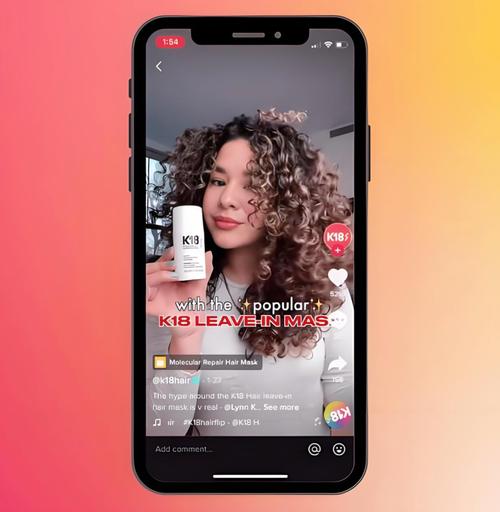
Many skincare brands get trapped in vanity metrics when choosing partners on TikTok Shop. When a video from a skincare TikTok Shop creator reaches millions of views by promising instant results or eliminating skin problems overnight, brands are often immediately tempted to collaborate. In reality, overclaiming in the skincare category carries real legal and reputational risks. Many skincare creators lack a safety background to understand regulatory limits, so they can unknowingly spread misleading information or violate non-medical claim boundaries.
Why Audience Education is More Critical Than Reach Alone
A common mistake brands make is prioritizing reach over the quality of education. Broad reach is meaningless if the message conveyed risks attracting regulatory attention or damaging consumer trust in the future. Content that educates the audience about how active ingredients work, realistic expectations, or product usage limitations is far more valuable than dramatic, unverified before-and-after testimonials.
Brands must realize that the trade-off between follower count and the quality of product safety education is crucial. Choosing a creator with a more specific audience accustomed to receiving responsible information will mitigate the risk of claim violations. Instead of just looking at view counts, brands need to evaluate how the creator responds to audience questions in the comment section regarding irritation or allergic reactions. A creator's ability to manage audience expectations is a primary indicator of true credibility.
Creator Safety Scorecard: Practical Evaluation Criteria
Selecting promotional partners can no longer rely solely on reach metrics or follower counts. Skincare brands need to implement a safety scorecard to ensure that every skincare TikTok Shop creator they collaborate with understands the boundaries of product education. Without a strict evaluation framework, brands risk being involved in overclaiming that not only triggers platform sanctions but also legal issues related to consumer protection. This scorecard helps marketing teams shift from merely chasing virality to building long-term trust.
Compliance Indicators for Non-Medical Claim Boundaries
The most critical criterion in this scorecard is the compliance indicator for non-medical claim boundaries. Many products are sold with promises that lean towards medical claims, such as curing or permanently removing, which actually violate cosmetic regulations. Credible creators will responsibly explain the function of active ingredients like retinol, AHA, or niacinamide. They do not promise instant results; instead, they educate the audience about realistic expectations and the importance of using sunscreen.
As an operational step, conduct an audit on the last 10 videos of a potential partner. Check the use of before-and-after testimonials; whether they show realistic results or are exaggerated and ignore the possibility of irritation. A good creator will mention the need for a patch test or warn about certain skin conditions that are not suitable for the product. If the audit finds a creator using definitive medical language or promising therapeutic results, stop the selection process. The reputational and legal sanction risks for the brand are far more expensive than missing out on a single viral content opportunity.
Content Style Comparison: Hard Selling vs Safety-Based Education
Choosing a content style is not just an aesthetic preference, but an operational decision that directly affects the brand's reputational risk on TikTok Shop. Many skincare brands get trapped in choosing creators who rely on a hard selling approach to chase instant sales figures, without realizing the hidden costs of potential platform policy violations.
The hard selling approach is usually characterized by dramatic claims, guarantees of fast results, and the use of exaggerated visual testimonials. Conversely, a skincare TikTok Shop creator who champions safety-based education will break down the function of active ingredients, explain safe usage, and manage audience expectations realistically. Although initial sales conversions may seem slower, this approach builds long-term trust and minimizes the risk of sanctions.
The key critical assessment for brands is determining whether the collaboration's goal is merely a one-off transaction or building brand equity. If the product contains potent active ingredients like retinol or exfoliating acids, a hard selling style becomes a real threat to legal compliance. In terms of execution details, brands must include strict implementation clauses in the brief. The prohibition of using medical claims like curing must be balanced by the creator's obligation to mention cosmetic functions according to regulations. Also include contractual penalties if a creator is proven to violate non-medical claim boundaries to boost engagement.
Operational Steps for Creator Selection and Collaboration Risk Mitigation
Selecting promotional partners must not stop at engagement metrics. For brands, negligence in verifying a creator's track record can trigger legal issues and damage a reputation built over years. Brands are often trapped by the potential for instant sales without reviewing the creator's past content history, which may contain overclaiming or violations of cosmetic advertising guidelines.
Legal Boundaries and Reputation of Skincare Brands
Legal boundaries in Indonesia strictly regulate cosmetic product claims. Creators cannot promise medical results or cure specific skin conditions. As an operational step, brands must implement a content safety verification checklist before signing a contract. This checklist includes checking whether the creator has used misleading before-and-after testimonials, or mentioned active ingredients outside the context of permitted cosmetic functions.
Collaboration risk mitigation starts with the creator's obligation to send script drafts and storyboards before production. Brands must have veto rights over narratives that potentially violate regulations. If a creator rejects this revision process, it is a strong indicator that they do not prioritize education and product safety, but are merely pushing transactions without caring about the brand's legal risk boundaries. By implementing this operational discipline, brands not only protect themselves from regulatory sanctions but also position themselves as responsible market leaders in beauty education.