

You have uploaded products, made a few videos, and maybe even tried going live for a while, but the first order still has not come in. At this point, new sellers usually start to worry: is the product wrong, is the price too high, is the content poor, or is TikTok Shop simply not suitable for this store?
If your TikTok Shop sales have not yet landed the first order, the most sensible step is not to immediately change the entire strategy. Start with a step-by-step diagnosis: check the offer, product page, content, traffic, then affiliates. This order matters because high traffic will not help much if the price does not make sense, the photos are not convincing, or potential buyers do not understand why they should buy your product.
This article is not an instant recipe for getting your first order. Its purpose is to serve as a diagnostic sheet so you know the main obstacle before spending money, offering major discounts, or changing products too quickly.
Short Answer: What Should You Check First?
If the store is active but there are no orders yet, first check whether the product and offer are worth buying. After that, review the product page, content, traffic, and affiliates. Do not start with ads if the product page is still unclear, and do not blame the algorithm if the product does not have a strong reason to be chosen over competitors.
A practical diagnostic order is as follows:
- Offer: product, price, margin, and reason to buy.
- Product page: photos, title, description, variations, shipping costs, and trust signals.
- Content: short videos, live sessions, hooks, demonstrations, and prompts to click the cart.
- Traffic: the number of people who actually see the product.
- Affiliate: whether the product is attractive enough for creators to promote.
If one stage has not passed, fix that stage before moving on to the next.
1. Check the Offer: Does This Product Have a Reason to Be Bought?
Many new sellers are too quick to conclude that their content has failed, when the real problem is the offer. TikTok Shop buyers usually move quickly: they see the product, compare prices, read the benefits, then decide whether it is worth clicking. If there is no strong reason to buy from the start, even an excellent video will struggle to generate orders.
Signs the offer is still weak
- The price is not competitive: similar products are easy to find at lower prices or in more attractive packages.
- The benefits are unclear: potential buyers do not immediately understand what problem the product solves.
- The product is too generic: there is no differentiator in terms of material, size, function, bundle, bonus, or ease of use.
- The margin is too thin: after discounts, platform fees, shipping, samples, or affiliate commissions, there is almost no profit room left.
- The purchase feels risky: size, color, material, how to use it, or expected results are not explained in enough detail.
The practical assessment is simple: open several comparable products, then ask honestly, “If I were a new buyer, what reason would I have to choose my product?” If the answer is only “because this is my product,” then the offer is not strong enough.
Risk limits before giving discounts
Discounts can help, but do not make them the first answer. If the margin is already thin, a big discount only makes the first order look pleasant in the notification but painful in the profit report. It is safer to improve the offer package: add bundle variations, explain the main benefits, tidy up the photos, or highlight advantages that are genuinely true.

2. Review the Product Page: Do Buyers Trust It Enough?
Once the offer makes sense, move on to the product page. This is where buyers look for certainty. They want to know what the item looks like, what its size is, what the material or specifications are, who it is suitable for, and whether the store looks serious.
A weak product page vs. a product page ready to sell
| Area | Still weak | More ready to sell |
|---|---|---|
| Photos | Blurry, only one angle, many distractions | Clear, several angles, includes detail photos and size scale |
| Title | Full of random words or too short | Mentions the product type, function, important variants, and words buyers search for |
| Description | Only copies specifications | Explains benefits, how to use it, package contents, material, size, and usage limits |
| Trust | The store looks empty and has minimal information | The profile is tidy, store policies are clear, chat response is maintained, legal proof or certification is shown if it truly exists |
For a new store with no reviews yet, do not create fake reviews. Focus on what you can control: clear original photos, a complete description, fast chat responses, accurate stock, and shipping information that is not confusing. Initial trust is often built from small, consistent details.
3. Audit the Content: Does the Video Make People Want to Click?
TikTok Shop content is not enough if it only shows the product. The video needs to answer one buyer question: “Why is this relevant to me right now?” If the video only shows the item without context, people may watch briefly and then move on.
For new sellers, audit content from four areas. First, the opening hook: start with a problem, result, comparison, or situation close to the target buyer. Second, demonstration: show the product being used, not just held. Third, visual proof: show texture, size, before-and-after if relevant and accurate, or details that are often asked about. Fourth, call to action: direct viewers to check the cart, choose a variant, or ask in the comments.
Posting frequency can be made consistent, but do not only chase quantity. It is better to test several angles: daily problems, how to use it, variant comparisons, common mistakes, and answers to potential buyers’ questions. If all videos use the same pattern, it will be hard to know which message is actually attractive.
4. Check Traffic: Is the Product Really Being Seen?
If the offer, product page, and content have been improved but there are still no orders, check traffic. In Seller Center, look at visit sources and product performance. Distinguish traffic from organic content, search, ads, live sessions, and affiliates if they are available in your account.
Traffic problems usually fall into two categories. First, low impressions or views: the product is not appearing often enough in front of potential buyers. Second, there are visits but they do not turn into checkouts: this means the problem may go back to the offer, product page, price, shipping cost, or trust.
Do not rush into ads before knowing the basic metrics. Ads can bring visitors, but costs can run out quickly if the product page is not ready or the product has no differentiator. For a new store, ads should be used as a measured test, not an escape from diagnosis.
5. Evaluate Affiliates: Is the Product Easy for Creators to Promote?
Affiliates can help expand reach, but creators also assess whether a product is worth bringing to their audience. Products that are easy to explain, have appealing visuals, clear benefits, and reasonable commissions are usually easier to consider.
Before expecting affiliates to move, prepare the basics: clear product photos and videos, concise selling points, examples of how to use it, claim limits that are not exaggerated, and variant information. If the product requires lengthy education, help creators with simple content angles. Avoid claims that are too big, especially for health, beauty, or categories with strict rules.
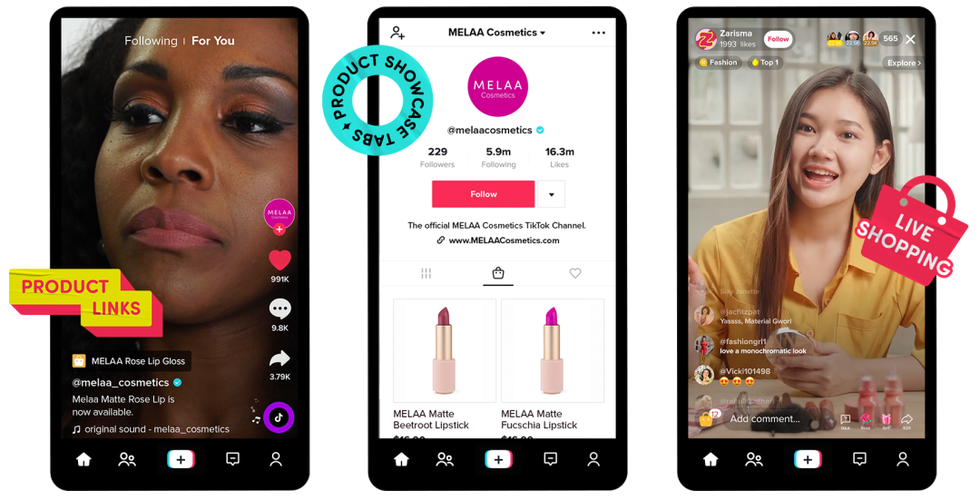
First Order Diagnosis Sheet
Use this list before making major strategy changes:
- Product: do buyers have a real need for this product?
- Price: does the price make sense compared with similar products?
- Margin: is it still safe after discounts, commissions, and operational costs?
- Photos: can buyers see the product’s shape, details, and size?
- Description: are the benefits, package contents, material, size, and how to use it clear?
- Content: does the video show the problem, solution, and a prompt to click?
- Traffic: has the product received enough visits to be evaluated?
- Affiliate: do creators have a reason and materials to promote the product?
Change one to two variables in one evaluation period, for example improving the product photos and title first, then observing the impact on clicks and visits. If everything is changed at once, it will be hard to read what caused the change.
FAQ
Why have my TikTok Shop sales not landed the first order even though I have uploaded many products?
The number of products does not automatically generate orders. The cause could be an offer that is not strong enough, a product page that is not convincing, content that does not guide buyers, low traffic, or a product that is not yet attractive to affiliates.
Do I have to run ads right away to get the first order?
Not always. Ads make more sense after the product, price, photos, description, and checkout flow are tidy. If the foundation is not ready, ads only speed up the arrival of visitors who still do not buy.
How long should I evaluate before changing products?
Use a test period that is sufficient to see patterns, for example after several rounds of content and product page improvements. Do not change products just because a few days are quiet, but also do not keep a product that clearly has no demand, margin, or differentiator.
What are the signs that the problem is in the content?
If the product page is tidy and the price is competitive, but videos have minimal views, minimal clicks, or comments do not show buying interest, the content needs to be retested. Try different angles, clearer demonstrations, and more specific prompts.
Conclusion
When your TikTok Shop sales have not landed the first order, do not start with panic. Start with diagnosis. Make sure the offer makes sense, the product page builds trust, the content gives people a reason to click, traffic actually exists, and affiliates have materials to promote your product. The first order cannot be guaranteed with only one change, but a tidy diagnosis makes the next decision more measurable.