
Have you ever wondered where TikTok affiliate commissions actually come from? Many beginner creators feel disappointed when their first commission hasn't arrived yet, or mistakenly assume that every video click directly generates money from TikTok's own pocket. Understanding the source of TikTok affiliate commissions from day one is crucial for setting financial expectations and building a realistic promotion strategy.
Common Myth: Does TikTok Pay Creators from Its Own Headquarters?
The most common myth is the assumption that TikTok pays creators directly from company funds as a bonus for video popularity. In reality, the funds come entirely from the sales margin of products purchased by consumers. When a buyer clicks an affiliate link and completes a transaction, the merchant or product seller sets aside a percentage of the price as a partnership fee. TikTok only acts as an intermediary managing the transaction ecosystem, validating orders, and distributing funds to creators.
This misunderstanding often proves costly for beginners. They tend to focus solely on chasing view counts rather than driving sales conversions. Yet without successful transactions, no commission funds are generated. Realizing that the funds come from actual sales helps creators choose products relevant to their audience and create content that genuinely drives purchases, not just momentary attention.
Commission Fund Flow: From Buyer Click to Creator Wallet
Understanding the commission fund flow isn't just theoretical—it's a crucial foundation for managing your expectations. Many beginner creators fall into the trap of assuming that a clicked link automatically generates money. In reality, this mechanism involves a strict chain of transactions to ensure all parties receive their fair share.
The Role of Merchant, TikTok Shop, and Creator in a Single Transaction
In a single affiliate transaction, there are three main interconnected actors:
- Merchant or Seller: The party that sets the commission percentage from their product margin.
- TikTok Shop: Serves as the facilitator for the payment system and link tracking.
- Creator: The party that promotes products to their audience.
When the buyer completes payment, the funds are held by the platform. The actual source of TikTok affiliate commission comes from the price portion set aside by the merchant, not TikTok's own funds. If illustrated in a commission flow infographic, the sequence is: the buyer pays for the product through TikTok Shop, the platform processes the order, the merchant ships the goods, and the system allocates the commission portion to the creator.
When Do Funds Actually Enter Your Affiliate Balance?
Funds don't instantly appear in your wallet the moment a buyer hits the purchase button. There's a technical waiting period that often causes beginners to panic. The system waits until the order fulfillment period is complete and the return window has passed. This means commissions are only truly recorded as withdrawable balance after the buyer receives the order and no returns occur within the platform's specified timeframe. Understanding this fund disbursement timeline prevents the misconception that your money has disappeared—it's simply a mandatory return risk verification process.
Risk Limits: When Does a Commission Fail to Pay or Get Withdrawn?
Understanding the fund flow is incomplete without recognizing the points where funds can fail to materialize. Many beginner creators assume that once a buyer completes a transaction through their link, the commission is guaranteed. their hands. In reality, there are compliance rules that must be cleared before funds can truly be disbursedable.
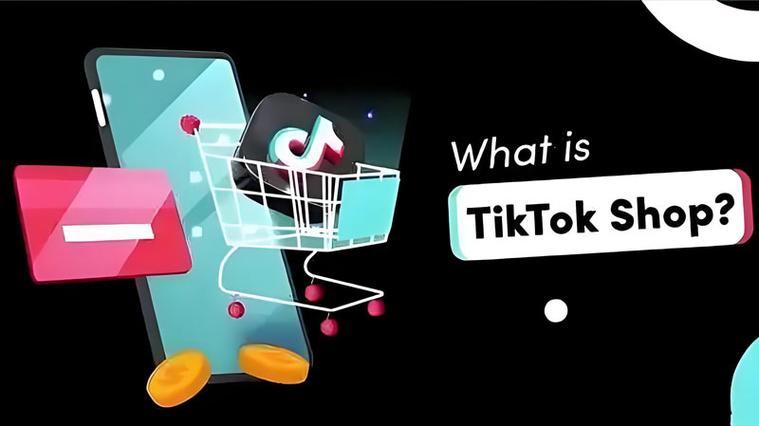
In the context of TikTok affiliate commission sources, the most common cancellation risk stems from buyer return policies. If a buyer cancels an order or returns the item within the allowed return period, the transaction is considered failed. As a result, the previously recorded commission will be withdrawn from the creator's balance. This is an operational risk limit that must be understood so creators don't miscalculate their earnings.
Beyond return factors, creators also face risks on the platform compliance side. TikTok has strict promotion guidelines. If a promotional video is found to be misleading, uses prohibited guaranteed earnings claims, or violates advertising policies, the platform reserves the right to withhold or cancel fund disbursement. This isn't merely a technical error—it's a contract violation that can lead to account deactivation. Therefore, creators must ensure every shared link matches the allowed product criteria and doesn't violate established promotion boundaries.
Common Questions About TikTok Affiliate Commission Sources
Understanding the source of commission funds isn't just theoretical knowledge—it's an operational foundation for securing your earnings. Many beginner creators feel disappointed waiting for funds that never arrive, when the problem often stems from ignorance of the transaction workflow.
Can commissions be withdrawn immediately after the buyer pays?
No. The system enforces a waiting period until the order is received and the return window expires. Affiliate fund disbursement is only processed after the transaction is considered final, protecting sellers from the risk of product returns.
What common mistakes cause commissions to be cancelled?
Creators often ignore promotion policies, such as using product tags irrelevant to the content or violating community guidelines. These violations can cause commissions to be withheld or returned to the seller.
If you already understand these mechanisms, the next step is to begin your TikTok monetization journey. Study the registration guide to ensure your account and payment method are configured correctly from the start.