
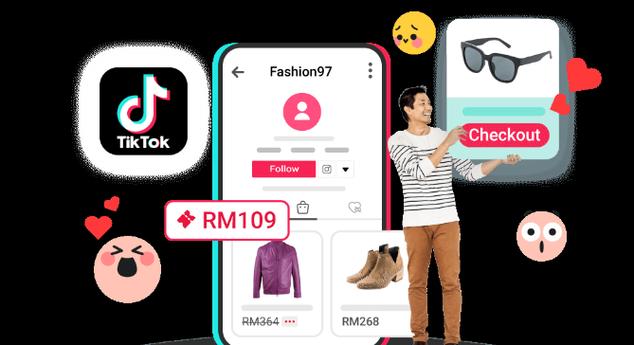
Launching a new product often looks successful on the surface: KOL videos get attention, comments come in, people ask about colors or variants, but checkouts are still scarce. The problem is usually not just content quality. For an e-commerce brand at the launch stage, the weak point is often a broken purchase path. The audience is already interested, but they are not given an easy next step to find the product, understand why they should buy now, and enter the TikTok Shop page.
A TikTok Shop KOL marketing strategy for a launch must treat content as an entry point to transactions, not merely as promotional material. This means the KOL brief, product page readiness, product link feature, upload schedule, and sales evaluation need to be designed as one flow. If one part is loose, the campaign can generate attention without purchases.
Short Answer: Connect the Content, the Shop, and the Reason to Buy
A KOL campaign for launching a new product is effective when every piece of content answers three things: who the product is for, why it is worth trying now, and how the audience can buy it without searching again. It is not enough for KOLs to simply mention the product name or create an engaging video. They need to move the audience toward a clear action, such as opening the product link, viewing the TikTok Shop showcase, or joining a live session that features the product.
The main difference between an awareness campaign and a launch is the priority. Awareness builds recognition. A launch needs to drive the first trial. Because of that, the brief should not stop at video style, duration, and hashtags. The brief must include key messages, proof of benefits that may be communicated, product link instructions, claim limits, and the metrics that will be monitored.
Start with Goals That Can Be Used to Make Decisions
Before choosing KOLs, first determine what you want to prove from the launch. For a new product, a more useful goal is usually not just “getting attention,” but traffic to the product page, add to cart, first purchases, incoming questions, or the performance of specific messages. These goals help the brand decide the KOL type, content format, and evaluation method.
If the product requires education, KOLs who are strong at demonstrations and explanations may be more suitable than creators who only excel at short-form entertainment. If the product is highly visual, try-on formats, reasonable before-and-after content, or unboxing may be more relevant. If the purchase requires trust, choose KOLs who are used to giving honest reviews, mentioning usage context, and explaining product limits fairly.
The risk boundary is clear: do not ask KOLs to make claims that cannot yet be proven. Avoid promises of instant results, extreme comparisons with competitors, or language that sounds like a guarantee. For a launch, early trust is more valuable than big claims that are difficult to verify.
A KOL Launch Brief Framework That Is Ready to Execute
A good brief helps KOLs understand their creative room, while still locking in the path to purchase. Use the following framework when developing a TikTok Shop KOL marketing strategy for a launch.
1. Product and audience context
Explain the product, the problem it helps with, who the potential buyers are, and the most relevant usage situations. Avoid descriptions that sound too internal, like brand presentation materials. KOLs need language that is easy to translate into everyday stories.
2. Main message and content angle
Define one main message for each KOL. For example, one KOL focuses on how to use the product, another on the first experience, and another on comparing variants. This prevents all content from sounding the same and gives the audience several reasons to consider the product.
3. TikTok Shop instructions
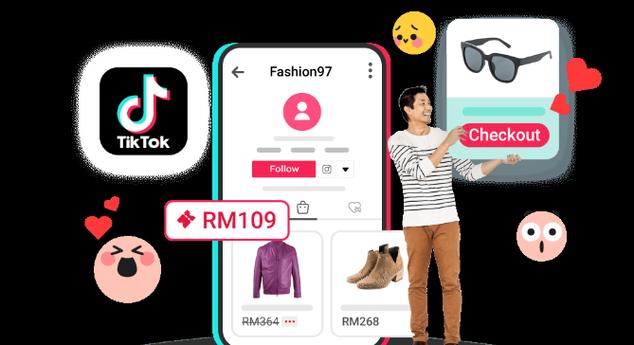
State explicitly that the product must be linked through the available TikTok Shop feature when the account and campaign support it. Include the product name as listed in the showcase, the promoted variant, CTA directions, and the destination page. Do not rely on KOLs to guess on their own.
4. Claim limits and words to avoid
Provide a list of claims that may be communicated and claims that must not be used. If there is no relevant test evidence, verified testimonial, or certification yet, do not encourage KOLs to imply it. This section is important so the content remains safe, credible, and does not create mistaken expectations.
5. Shop materials that must be ready
A KOL brief will not help much if the product page is not ready. Make sure the photos, product name, description, variant options, stock, shipping, and correct promo information are available before the content goes live. Audiences who come from a video need a shop page that is consistent with the KOL’s message.
Choosing the Traffic Path from Content to TikTok Shop
There are several ways to direct audiences from KOL content to the shop. Choose based on goals and operational readiness, not because something looks the busiest.
| Path | When it fits | What needs to be maintained |
|---|---|---|
| Product link in video | The product is easy to understand and purchase can happen quickly | The product name, variant, and CTA must be consistent |
| TikTok Shop affiliate | The brand wants to track each KOL’s contribution and provide performance-based incentives | Make sure product and commission settings follow the applicable platform policies |
| Live shopping with KOLs | The product needs demonstration, Q&A, or a direct decision push | Prepare the host, stock, Q&A flow, and product explanation materials |
| Showcase or shop profile | The brand has several variants or product bundles | The showcase must be tidy so audiences are not confused when choosing |
For a launch, the best path is usually not a single format. A combination of short content, product links, and live sessions can be used if the team can monitor comments, stock, and questions quickly. However, if the team is still small, it is better to start with the flow that is easiest to control: KOL content with the correct product link and a ready product page.
Activation: Do Not Let All Content Go Live Without Rhythm
Another mistake during a launch is publishing all KOL content at nearly the same time without different roles. As a result, audiences see similar messages in a short period, then the campaign fades quickly. Create a simple sequence: an opener to introduce the problem, demonstration content to explain the product’s value, then reinforcing content that answers purchase doubts.
This coordination does not have to be complicated. Brands can create an activation calendar containing the upload date, video format, main message, linked product, content approval status, and the person responsible for monitoring. When the content goes live, check whether the product link is correct, important comments have been answered, and no claims fall outside the brief.
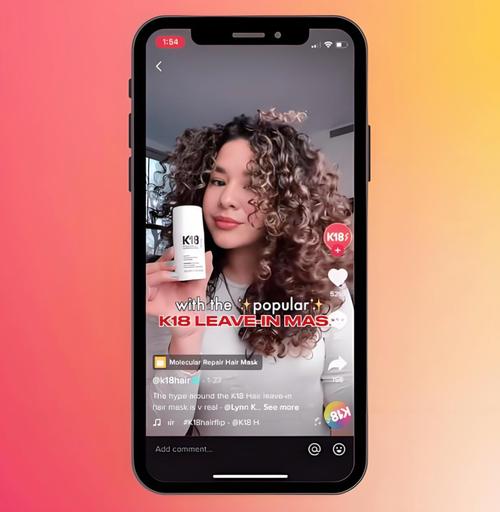
Also prepare correction scenarios. If a KOL forgets to add the product link, the brand should immediately request a caption revision or re-upload according to the available options. If audience comments show confusion about variants, the product page and response materials need to be clarified. Launch activation is not just waiting for the final report, but reading market signals while the campaign is still running.
Evaluation: Separate Content That Gets Attention from Content That Helps Sales
Evaluating a TikTok Shop KOL marketing strategy for a launch should not stop at views, likes, and comments. These metrics are still useful for assessing content appeal, but the next decision needs to look at actions closer to purchase: product clicks, add to cart, transactions, repeated questions, variant performance, and each KOL’s contribution.
Do not immediately conclude that a KOL failed just because sales are not high yet. The problem may be the product page, stock, pricing that does not match market expectations, a weak CTA, or content that promises something different from what is in the shop. Therefore, evaluation must read the complete chain: the audience sees the content, becomes interested, clicks, enters the shop, then decides whether to buy.
The evaluation results are then used to improve the next brief. KOLs who drive many quality discussions can be used again for education. KOLs who generate better clicks can be directed toward conversion formats. Messages that often trigger questions can be turned into new explanatory content. In this way, launch data becomes not only a report, but material for follow-up campaigns.
Frequently Asked Questions
Does a launch have to use large KOLs?
Not always. For a new product, audience relevance, the ability to explain the product, and the KOL’s habit of encouraging action are often more important than follower size. Large KOLs can help with reach, but they are not necessarily the most efficient for first purchase trials.
How many KOLs are ideal for a launch?
There is no fixed number that is safe for every brand. The number of KOLs should follow stock capacity, budget, shop readiness, and the team’s ability to monitor content. It is better to work with a manageable number than to spread the brief too widely without quality control.
What is the most costly mistake in a KOL launch brief?
The most costly mistake is a brief that only discusses content ideas without purchase instructions. If the product link, CTA, main message, and shop page readiness are unclear, even good content can still stop at the viewing stage.
Core Decision
Launching on TikTok Shop requires a flow that unites KOL content and the shop. The brief must explain transaction goals, KOL criteria, main messages, CTA, the TikTok Shop features used, and claim limits. The product page must be ready before the content goes live, and evaluation needs to look at the journey from views to purchases. With this approach, a KOL campaign does not only create attention, but helps audiences make purchase decisions more easily.