
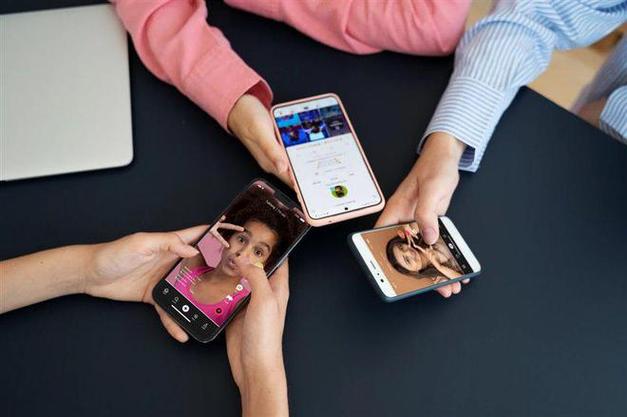
We usually encounter viral content while scrolling casually, not while analyzing. That is why our first judgment often comes from the numbers on screen: views, likes, and comments. Yet big numbers only show the end result, not the reason the content worked. Two videos can both be busy, but one rises because of news momentum, the other because of a tidy story structure. Without an analytical framework, we tend to imitate the most visible parts and miss the most decisive ones.
Why High Numbers Cannot Automatically Be Imitated
High numbers do not automatically mean a pattern can be repeated. Some content rises because of upload timing, event context, or distribution luck that is hard to prove. The most deceptive type is momentary surprise content and viral news clips on TikTok that are busy because the topic is hot. Both look easy to imitate, but once the momentum passes, the same pattern often stops working. No one can be sure how the algorithm distributes videos, so we should stop looking for an exact formula and start reading the anatomy of the content.
Before imitating, turn curiosity into three guiding questions: what makes people stop scrolling, what story promise is offered, and can the claims inside be verified. These three questions force us to look at the attention trigger, structure, and information risk separately. Imitating a pattern means taking how those elements work, not copying sentences, visuals, or viewpoints raw.
Anatomy of Viral Content: Trigger, Structure, and Drop-off Point
Reading viral news on TikTok is not about guessing view counts, but about dissecting why people stop scrolling and keep watching. Without this framework, creators tend to copy the surface of content and ignore the parts that can truly be learned.
The first three seconds: what makes people stop scrolling
Common attention triggers appear in several forms: a tickling question, relatable light conflict, unusual visuals, or the promise of specific information. What needs noting is not only the type, but the order in which it appears. In a simple analysis note, write down at which second the trigger appears, what is seen, and what is heard.
The risk boundary is clear: a surprising trigger must not mislead. If the visuals are made dramatic but the content does not match, you are building fragile trust, not a repeatable pattern. A good trigger invites curiosity, not a feeling of being tricked.
Story structure that keeps people until the end
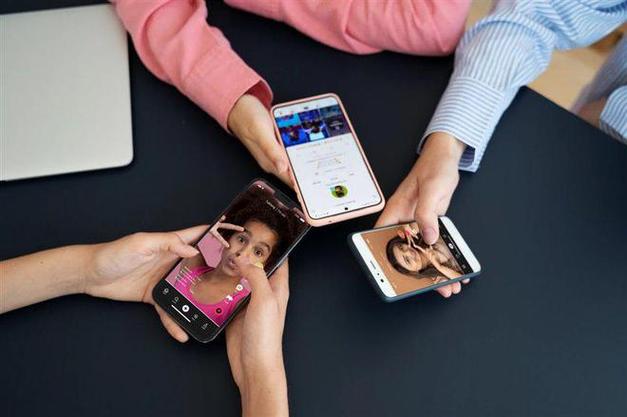
After the trigger, content that lasts usually has a pattern of opening, tension, and resolution. The opening binds a promise, the tension holds curiosity, and the resolution gives a reason to rewatch or save. Examples of commonly used story types are personal experience, small experiments, and brief explanations of confusing situations.
This pattern feels forced when tension is created without substance, for example delaying important information only to lengthen the duration. The signs are simple: viewers leave before the resolution, or comments are full of complaints because the promise at the start was not fulfilled. There is no certain claim about the algorithm here; what is observed is viewer behavior, not distribution forecasting.
Drop-off point: when viewers stop watching
The drop-off point is the moment when viewers decide to leave. Common causes are long-winded information, unnecessary pauses, or a promise at the start that is not answered quickly. To check it manually, rewatch your own content and mark the minute or second when you start to get bored. Note what is happening on screen at that time. If the drop-off point appears repeatedly in the same section, that is where the most useful improvement lies.
Verify Before Joining the Spread
Speed is the main attraction of viral news on TikTok, but that is exactly where the risk lies. Creators and marketers often get trapped chasing momentum by making follow-up content without rechecking information. As a result, not only credibility is at stake, but also the audience trust that was painstakingly built.
The difference between entertainment, news, and opinion content
Verification needs differ depending on the type of content. Entertainment content is looser because it does not always claim facts. News content demands clear sources, event dates, and complete context. Meanwhile, opinion content may be subjective, but it must still be honest that it is a personal view, not a factual report.
For creators, mixing all three without labels will only confuse the audience and open a gap for hoaxes. Marketers who use trends for campaigns also need to be more careful because wrong claims can damage the brand. Labeling content types honestly is a small step with a big impact.
A simple check step before making follow-up content

Before making derivative content from viral news on TikTok, do these four steps: find the original source or first recording, check the upload date, understand the full context, and look for a second independent source. If evidence is not yet available, write a verification note naturally in the content, for example "this information is still unclear and needs confirmation."
Never invent claims about how the algorithm works or spread hoaxes just for views. The operational boundary is clear: if the source cannot be traced, it is better to delay or change the content angle into a call for caution, rather than joining in spreading assumptions.
Practice Imitating Patterns Without Copying Raw
Imitating a pattern does not mean copying someone else's ideas, sentences, or style. The goal is to understand why a piece of viral content works, then build your own version with a different audience context.
A seven-day practice framework for reading patterns
Spend 20 minutes a day for a week. On the first day, collect five viral contents relevant to your niche without noting account names. On the second day, note the attention trigger in the first three seconds: question, visual, conflict, or information promise. On the third day, map the story structure: opening, tension, resolution.
On the fourth day, mark the drop-off point, the moment you yourself start to get bored. On the fifth day, rewrite one pattern from your own perspective. On the sixth day, produce a simple version. On the seventh day, evaluate the response without claiming to have algorithm data. Note the findings as observations, not statistics.
When a pattern is worth imitating and when it is better left behind
A pattern is worth imitating if it is relevant to the audience, can be verified, and does not violate context. Conversely, leave behind patterns that mislead, twist information, or normalize hoaxes. If you find viral news on TikTok whose source is unclear, delay adaptation until verification is complete.
For more directed development, continue to the creator guide as the next step. There you can learn how to build ideas, choose story angles, and test content without losing credibility.
Summary: Viral patterns can be learned through attention triggers, story structure, drop-off points, and verification; however, not all patterns are worth imitating, especially those that risk spreading incorrect information.