
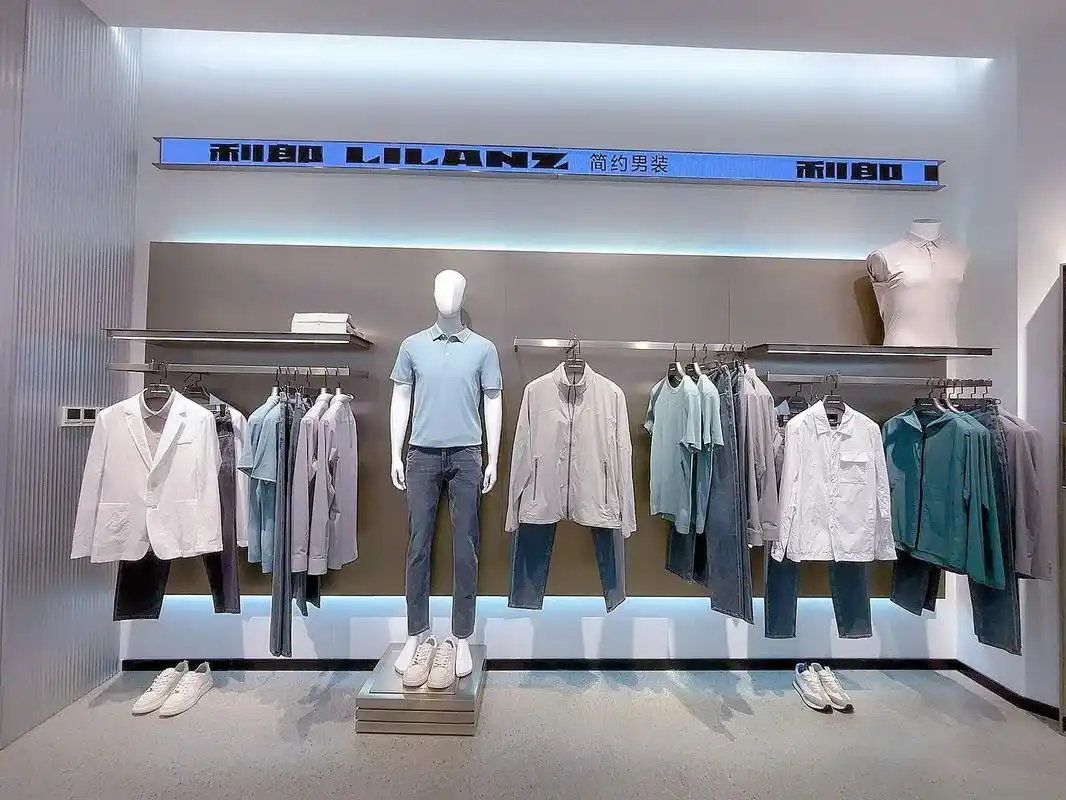
Competition in Indonesia’s TikTok fashion space is not simply about profit per product. It hinges on speed of new launches, trend spotting and accurate creator matching.
Beauty and food brands can reuse the same group of creators and content templates over longer periods. Fashion sellers operate under different rules. SKUs refresh rapidly, trends shift constantly and seasonality plays a strong role. A creator ideal for summer outfits this month may no longer fit the brand’s product lineup once styles change.
Many fashion sellers hit the same operational pain point. Their creator roster grows, SKUs multiply and marketing campaigns stack up, yet they still rely on static Excel lists. The result is predictable. Creators who drove sales last year no longer match current trends. Samples are shipped but content misses the trend window. Top-performing creators for one style cannot be quickly pulled for similar new releases. Data from separate campaigns gets mixed. High-value creators sit idle while low-performing contacts keep consuming marketing budget.
Creator management for fashion cannot rely on static lists. It requires agile workflows that tie creators directly to products, trends and campaigns. This article addresses the unique traits of fashion, including fast iteration, large SKU volumes and volatile trends. It outlines a dedicated creator management framework for TikTok fashion sellers in Indonesia, resolving chaos caused by fast-changing products, creators and promotions. The system helps brands match the right creators quickly for every new launch and viral trend.
Why Fashion Creator Management Is Different
Beauty marketing builds trust around product efficacy. Food marketing leans on real user experience. Both maintain relatively stable creator fit over time. Fashion operates in constant motion, which raises distinct management challenges in four key areas.
- Large volumes of SKUs with short lifecycles Fashion sellers roll out nonstop updates across dresses, bottoms, tops, sets, modest wear and streetwear. Most trending items stay relevant for merely one to two weeks. Even great creator content fails if published after the trend peaks. Fixed creator pools and static partnership structures cannot keep pace with fashion launch cycles.
- Rapid shifts in style aesthetics Indonesian fashion trends rotate continuously. Minimal office wear, street styles, sweet youthful looks, modest fashion and vintage aesthetics rise and fall quickly. A creator known for one style cannot deliver strong results for every new trend. Static creator lists lose value as tastes evolve.
- Frequent seasonal and event-based campaigns Indonesia’s tropical climate does not eliminate shopping moments tied to occasions. Back-to-school, payday sales, year-end promotions, weekend casual looks and festive outfits create fragmented marketing windows year-round. Each event calls for specific products, content angles and creator aesthetics. Running multiple campaigns at once easily creates messy tracking and poor resource allocation.
- Strong niche alignment limits cross-style reuse The core value of fashion creators lies in consistent visual taste, defined styling themes and targeted follower groups. A creator focused on office wear will not perform well for streetwear. Modest fashion creators are mismatched with bold casual styles. Premium aesthetic creators struggle with low-price everyday apparel. Creator suitability is defined by product style, not follower count or general sales ability. This is the central difference for fashion creator operations.

Connect Creators With the Right Products and Campaigns
A common mistake for apparel sellers is separating creator management from product and campaign tracking. The right approach treats creators as linked assets. Every creator profile must record compatible SKUs, style categories, assigned campaigns and partnership status.
A four-dimensional linking system ties creator, product, campaign and status together. When new styles drop or trends emerge, teams instantly identify suitable creators instead of sending blind outreach.
Creator | Creator Niche | Product Fit | Campaign | Status Creator A | Minimal Office Style | Midi Dresses, Work Sets | Payday Sale | Published Creator B | Casual Lifestyle | Bags, Basic Tops | New Launch | Sample Sent Creator C | Modest Gentle Wear | Long Dresses, Loose Sets | Back to School | Negotiating Creator D | Street Trend Style | Wide-Leg Pants, Street Tops | Trend Activation | Reviewed for Reuse
This framework solves the core fashion industry problem. Instead of remembering which creators performed well historically, teams answer one question. Which creator fits this new product, this trend and this campaign. The structure adapts seamlessly to fast SKU refreshes and rotating viral aesthetics.
Track Creator Status When Campaigns Move Quickly
Fashion trends have narrow windows. Viral styles may only perform for a few days. Many sellers lose revenue not from bad products, but from slow follow-up and unclear status tracking. Samples ship with no reminders for content delivery. Creators delay posting until the trend fades. Top contacts are not saved for future launches. Wasted budget accumulates from low-impact repeated collaborations.
Fashion teams need a lightweight, fast-moving status pipeline for parallel campaigns and frequent new releases.
Potential: Pre-qualified creators whose aesthetic matches store styles, waiting for outreach Matched: Tagged as suitable after new product launch, added to candidate pool Negotiating: Discuss collaboration terms, styling requirements and publishing deadlines Sample Sent: Product shipped, trend window locked with set content timeline Content Pending: Creator working on styling clips, monitored to avoid missed trend peaks Published: Content live, track organic reach, engagement and product clicks Reviewed: Evaluate performance, trend fit and reuse potential Retain: Strong performance in current campaign, prioritized for similar style launches next round
The goal of this status workflow is simple. Capture trend momentum for each new product within the limited window and avoid wasted viral potential.
Use Creator History to Plan the Next Campaign
Beauty and food brands build creator value through long-term trust. Fashion marketing thrives on fast data reuse. Results from one campaign become selection criteria for upcoming launches.
Fashion sellers should build style-creator-performance archives for iterative improvements. When a creator delivers strong engagement and conversion on dress content, tag them as high-performing for dresses. When new dress styles launch and a fresh campaign begins, the brand selects this creator immediately without restarting full discovery.
The same logic applies to office sets, modest wear and street trends. Record every successful pairing in tags and partnership logs.
Workflow: Viral Product → Tag High-Fit Creator → New Similar Style → Prioritize Re-collaboration → Scale Efficiently
This removes blind testing for every launch and preserves trend windows. Creator resources improve continuously as SKUs update.
From Creator List to Creator Portfolio
Basic sellers maintain simple creator contact lists. Mature fashion brands build creator portfolios. Fast-changing styles and trends require three creator tiers covering steady sales, trend chasing and product testing.
- Core Creators These creators hold consistent aesthetic standards, cooperate reliably and match the brand’s main product lines. They are not chasing short-term viral spikes. Their steady content suits evergreen items and ongoing organic promotion. They form the stable revenue base for the brand and qualify for long-term partnerships.
- Seasonal Trend Creators These creators follow platform trends closely and recreate popular styling formats. Their relevance shifts with viral aesthetics. They are ideal for short-term trend campaigns, holiday events and new trending styles. Brands deploy them for quick traffic gains and rotate contacts once trends cool down.
- Testing Creators Smaller accounts with flexible pricing and diverse aesthetics. They run low-risk tests for large batches of new styles. Brands identify creators capable of making new products go viral. Successful testers move into the core pool to expand high-value creator assets.
DAMI for Fast-Paced Fashion Creator Operations
Manual spreadsheets cannot handle fashion operations defined by rapid SKU updates, rotating trends, shifting creator fit and packed campaign calendars. DAMI, a TikTok creator management platform, supports Indonesian fashion sellers with creator lists, custom tags, campaign linking, status tracking and historical partnership archives to enable agile operations.
- Structured Creator Lists for Tiered Fashion Assets DAMI separates creator pools into core, trend and testing groups instead of one messy contact list. Teams pull relevant creators quickly for steady content, trend pushes and product validation.
- Custom Style Tags for Precise Product Matching Users create custom tags for fashion aesthetics, usage scenarios, compatible SKUs and performance metrics. Tags cover office wear, modest fashion, streetwear and product categories including dresses, pants and sets. New product launches filter creators by tags and prevent style mismatches.
- Campaign Linking to Prevent Cross-Promotion Confusion Every creator partnership attaches directly to specific styles and campaigns. Records clearly separate back-to-school, payday, festive and trend activation campaigns. Teams avoid mixed data and unclear progress when multiple promotions run in parallel.
- End-to-End Status Tracking to Capture Short Trend Windows The full status pipeline covers discovery, matching, sample dispatch, pending content, publishing and post-campaign review. Teams monitor batches of creators, send timely reminders, stop inefficient collaborations early and lock in reusable top creators to maximize limited trend periods.
- Centralized Partnership History for Iterative Reuse DAMI automatically stores records of compatible styles, content samples and conversion metrics for each creator. The system preserves best product-creator combinations. New releases automatically prioritize creators with proven success on similar styles and raise campaign efficiency over time.
Conclusion
Creator management for Indonesian fashion brands follows rules separate from beauty and food. Beauty focuses on trust building. Food centers on authentic product experience. Fashion prioritizes speed, aesthetic fit, iteration and trend awareness.
Apparel brands aiming for steady growth amid many SKUs and fast trends must move beyond static contact lists and adopt a four-dimensional dynamic system linking creators, products, campaigns and partnership status. Build tiered creator portfolios, run fast status workflows and reuse historical performance data with agile campaign cycles. DAMI standardizes the whole workflow. Brands can build lasting creator assets, reduce ineffective spending and capture trend traffic consistently for scalable growth in Indonesia’s competitive TikTok fashion market.