
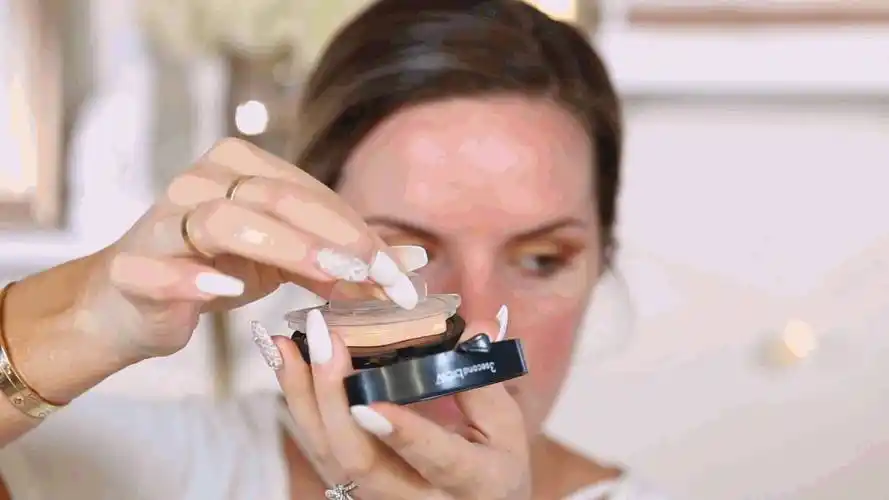
Most Indonesian beauty sellers on TikTok will hit the same growth bottleneck. Creator collaboration shifts from shortage to poor manageability.
At the early stage, sellers carry few products and work with a small pool of creators. Excel spreadsheets and chat messages are enough to handle communications. As product lines expand including skincare, makeup and haircare, and the number of creators rises while multiple campaigns run side by side, loose management brings obvious drawbacks. Mismatches between creators and products appear frequently. Records of past partnerships get lost. Teams contact the same creators repeatedly and miss follow-up tasks. Samples get sent without proper tracking, and high-performing creators cannot be reused efficiently.
The beauty category differs from fashion and food. It features strong vertical segmentation, efficacy-driven claims and granular audience groups. Different product lines require creators with distinct expertise, content styles and follower profiles. Simply expanding creator quantity cannot bring steady growth. Sellers need a systematic creator management framework that prioritizes product fit, tracks partnership status and iterates based on performance data. This helps maximize creator assets and support scaled operations across multiple products and campaigns.
Why Creator Management Becomes Difficult for Beauty Sellers
Complexity within beauty products makes creator management harder compared with other sectors. Fashion marketing relies on trends and aesthetics. Food marketing focuses on experience-based content. Beauty marketing carries four traits that raise management challenges.
- Diverse product lines with independent characteristics Established beauty sellers usually run several separate product ranges. These include skincare for hydration, acne repair and sensitive skin care, makeup items such as foundations, lip gloss and eyeshadows, haircare products for oil control and damage recovery, and beauty tools. Each category follows unique logic for content creation and audience targeting. Acne skincare needs credible review content. Affordable makeup requires live try-on clips. Haircare heavily relies on before-and-after comparison videos. Sellers cannot use the same group of creators to promote all products.
- Niche creator positioning limits cross-category suitability Beauty creators build reputation around specific niches and attract defined follower groups. A creator focused on sensitive skin reviews mainly reaches people with problematic skin and may not deliver good results promoting bold makeup. Creators making low-budget makeup tutorials draw price-sensitive young audiences and are less suitable for premium repair skincare. Many sellers wrongly assume all beauty creators can promote every beauty product. This mismatch wastes marketing budget.
- Single creators can promote multiple products and create complex partnership records Many mid-tier general beauty creators can cover skincare, makeup and beauty tools. Without clear records of product fit, sellers risk sending duplicate samples or reaching out again unnecessarily. They may also miss opportunities to launch new products through existing creators and fail to unlock full value from each partnership.
- Parallel campaigns easily cause information chaos Beauty sellers run continuous projects all year round. These include new product testing, regular content posting, big sales events and brand reputation building. Multiple projects engage large numbers of creators at the same time. Manual spreadsheets lead to missed deadlines. Samples get shipped without content output. Content schedules get mixed up. Performance data cannot be mapped to specific campaigns. High-value creators sit idle while low-performing creators keep receiving investment.
Organize Creators by Product Fit, Not Just Follower Count
Effective beauty creator management does not depend solely on follower size. It focuses on matching creator capability, content style, audience profile and product category. Sellers need standardized creator tags to replace simple creator lists. Tags support quick filtering, precise matching and resource reuse.
A six-dimensional tagging system works well for Indonesian beauty operations.
- Product category tags Mark the product types suitable for each creator. Categories include skincare, makeup, haircare, beauty tools and general beauty. This stops mismatches such as makeup creators promoting skincare products.
- Creator niche tags Describe content positioning. Examples cover sensitive skin testing, budget beauty for students, premium skin repair, formulas for Indonesian dark and medium skin tones, quick daily makeup tutorials and treatment for chemically damaged hair. Tags help align product selling points with audience demands.
- Audience tags Note follower traits such as age range, spending power, skin concerns and preferred styles. Labels can target student buyers seeking low-cost items, mature shoppers for anti-aging goods and people with oily acne-prone skin. This improves targeting accuracy.
- Content style tags Classify content formats. These include professional reviews, casual recommendation clips, tutorial guides, immersive try-on videos and before-and-after comparison footage. New product testing leans toward professional reviewers. Volume sales campaigns use casual lifestyle creators.
- Performance tags Segment creators by historical results. Groups include high-conversion creators, creators with strong engagement, stable reusable partners and low-performance testers. Sellers can select suitable creators based on budget and campaign goals.
- Collaboration history tags Record partnership frequency, suitable products and cooperation quality. Labels separate new contacts, one-time collaborators and long-term partners to support refined relationship maintenance.
Sample tags for direct application Creator A|Category: Skincare|Niche: Oily acne skin treatment|Audience: Students aged 18 to 25|Style: Practical review|Performance: High conversion|History: Two acne product campaigns Creator B|Category: Makeup|Niche: Affordable daily makeup|Audience: Mass consumers|Style: Tutorial recommendation|Performance: High reach|History: One-time new shade trial
Keep Creator Collaboration History in One Place
Many beauty sellers store creator information separately. Conversation records sit in chat windows. Performance data stays in scattered spreadsheets. Sample delivery logs and content links lack centralized storage. Over time, sellers struggle to identify reusable creators, map products to suitable creators and learn which content drives sales. Every new product launch becomes a new round of blind testing.
Centralized management stores all partnership data inside one searchable archive and builds reusable creator assets. Each creator gets a complete profile covering these items.
- Outreach records: first contact time, message content, creator feedback and cooperation terms. This prevents repeated messages and unnecessary disturbance to quality creators.
- Product records: all SKUs promoted by the creator, sorted by skincare, makeup and haircare. Sellers can clearly see which product lines match each creator.
- Content archive: published videos, live stream recordings and creative scripts. Sellers collect high-performing content templates for future campaigns.
- Performance metrics: views, engagement, product clicks, orders and ROI. Data helps judge content quality and sales capability.
- Re-engagement assessment: mark priority for future cooperation based on coordination quality, content output and sales results. Sellers identify reliable creators for repeated partnerships.
Manage Different Creator Statuses Across Campaigns
A major pain point of running multiple beauty campaigns is incomplete follow-up. Samples get sent with no updates. Creators promise content without fixed schedules. Publication dates get mixed up and missed during shopping festivals. Scaled operations require a standardized status pipeline so every creator and every partnership stays trackable.
Recommended status workflow for TikTok beauty campaigns in Indonesia. Potential: Qualified creators matching product categories and audience profiles, not yet contacted Contacted: Cooperation invitation sent, waiting for replies Replied: Creator shows interest and enters negotiation Negotiating: Discuss cooperation format, sample rules, commission or fees and content requirements Sample Sent: Sample delivered, waiting for content creation Content Pending: Creator produces content with confirmed publication date Published: Content live and under data monitoring Follow-up: Analyze results, evaluate performance and decide on future cooperation
This workflow supports team collaboration and avoids missed follow-ups, delayed publication, wasted samples and redundant investment. It fits fast product launches and overlapping promotional schedules for beauty brands.
Build a Repeatable Creator Management System
Long-term growth for beauty brands does not rely on occasional viral clips. It depends on repeatable creator management workflows. For beauty brands handling multiple niches and campaigns, use this five-stage loop: Organize → Track → Follow Up → Evaluate → Re-engage.
- Organize: Categorize creators using tags covering category, niche, audience and performance. Build dedicated creator pools for skincare, makeup, haircare and tools. Teams quickly find matching creators when launching new items without random searches.
- Track: Monitor creator status, sample delivery, content schedules and publication results. Campaign progress becomes visible and reduces chaos across concurrent projects.
- Follow Up: Send reminders at key stages including pending replies and unfinished content. Standardize sample fulfillment, content quality checks and release timelines to cut resource waste.
- Evaluate: Assess creator value by engagement, clicks, sales and ROI. Separate creators focused on brand awareness and creators focused on conversions. Optimize the overall creator portfolio.
- Re-engage: Maintain long-term relationships with reliable high-performing creators. Launch new products and festival promotions through these partners to build exclusive brand creator assets.
Streamline Beauty Creator Operations With DAMI
Manual spreadsheets cannot handle refined beauty marketing with multiple categories, creators and ongoing campaigns. DAMI, a TikTok creator management platform, supports Indonesian beauty sellers through creator lists, custom tags, partnership archives and status tracking.
- Structured creator lists for segmented beauty resources DAMI lets teams build separate creator pools for skincare, makeup, haircare and beauty tools. Sellers access targeted creators for product testing, daily promotion and big sale events and speed up creator selection.
- Custom tagging for precise product-creator matching Users create multi-dimensional tags to mark creator niches, audience traits and performance. New product launches use tag filters to locate suitable creators and reduce mismatches between creators and products.
- Centralized collaboration history to preserve assets The platform automatically stores all partnership logs, promoted SKUs, content materials and historical data. Teams review creator performance at any time and decide whether to run repeated collaborations without redundant testing or outreach.
- End-to-end status management for campaign oversight The full status pipeline covers creators from discovery to post-campaign review. Teams manage many creators across separate projects and track samples, content creation and live performance to prevent missed tasks in overlapping campaigns.
- Data review to optimize creator portfolio DAMI aggregates beauty content metrics to distinguish creators strong at brand exposure and creators strong at conversions. Sellers phase out low-value contacts and expand partnerships with top creators, forming a stable matrix fitting multi-product brands.
Conclusion
Competition among Indonesian beauty sellers on TikTok has moved beyond simply recruiting more creators. Success comes from refined creator management and efficient use of creator resources.
Beauty brands face unique challenges because product lines sit in tight vertical niches and demand precise creator matching. Move away from mass promotion and manual spreadsheets. Build a management system with tagged segmentation, traceable history, controllable status, data evaluation and continuous re-engagement. DAMI helps standardize the whole workflow. Brands can build lasting creator assets, cut ineffective spending and achieve stable sales and brand growth amid frequent product launches and parallel marketing campaigns.