

1. What is Influencer Marketing
1.1 Definition of Influencer Marketing
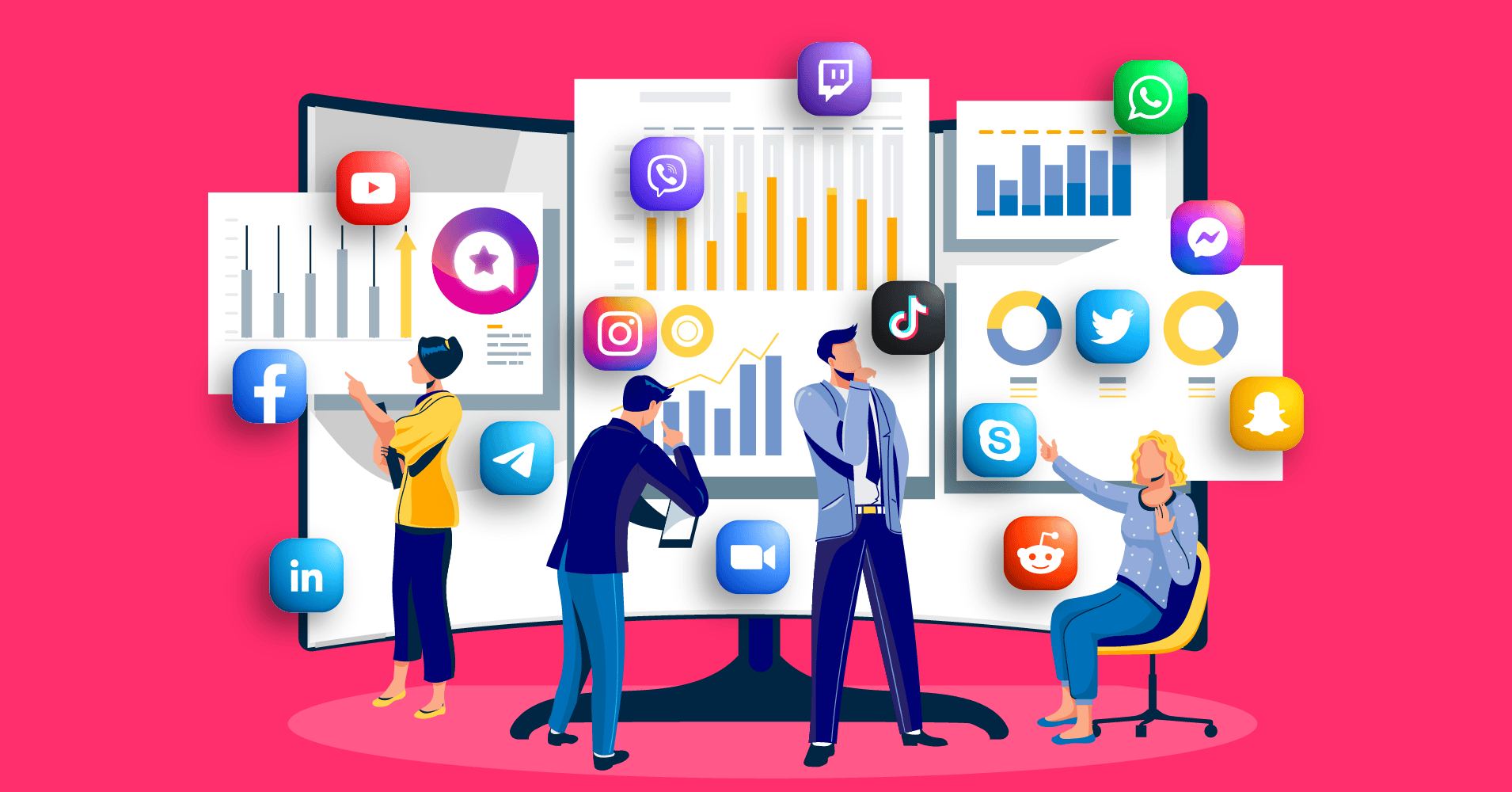
Influencer Marketing refers to marketing where brands or sellers partner with social‑media creators. By using creators’ content‑creation capability, influence and community trust, brands deliver product value, reach targeted users, drive purchases and build brand reputation.
Simply put, it uses creator endorsement and audience‑friendly content to achieve brand exposure and product sales.
1.2 Influencer Marketing vs Traditional Advertising
Traditional advertising relies on forced hard‑sell output. Audiences easily recognize ads and tend to resist them. It delivers short‑term exposure with little trust building.
Influencer Marketing features native content and natural scenarios built on trust.
- Traditional advertising: One‑way brand output, pushy selling, low trust, short conversion cycle, no long‑term content asset accumulation.
- Influencer Marketing: Authentic creator reviews, scenario‑based recommendations, high audience acceptance, long‑lasting video assets that continuously bring free traffic and orders.
1.3 Basic Influencer Marketing Workflow
Complete influencer marketing follows a closed‑loop standard process: set goals → select creators → negotiate cooperation → produce content → launch campaign → analyse data → iterate and optimize. The cycle can be repeated to scale marketing outcomes.
2. Why Brands and Sellers Need Influencer Marketing
E‑commerce competition now extends beyond products to traffic, content and user trust. Influencer marketing solves key pain‑points of conventional ads:
2.1 Boost brand exposure
Large volumes of creator content enter platform recommendation pools, covering diverse audience groups. New brands can break into markets, while established brands maintain public awareness without huge advertising spending.
2.2 Generate authentic native content
Creator‑produced unboxing, review and tutorial content feels more genuine than official brand ads. High‑quality creator content remains online and serves as free material assets for stores.
2.3 Reach target consumers precisely
Niche creators have highly focused followers. Match creator verticals to your target audience and avoid wasting budget on generic traffic.
2.4 Improve product trust
Users tend to trust creator reviews more than formal advertisements. Creator endorsements lower purchase barriers, which benefits new or lesser‑known brands.
2.5 Drive store sales
Creators can attach product links and shopping carts to videos, forming a complete “watch‑video → get interested → click → buy” path. It supports both long‑term brand building and short‑term revenue growth.
3. How Influencer Marketing Works
Standard end‑to‑end workflow: Brand / Seller → Source creators → Filter creators by data → Negotiate cooperation → Launch marketing campaign → Creators publish content → Traffic exposure & user conversion → Data review & performance analysis
This closed‑loop makes every collaboration quantifiable, optimizable and repeatable, avoiding blind investment.

4. Five Common Influencer‑Marketing Cooperation Models
Select or combine models according to your budget, marketing goals and product lifecycle.
4.1 Sponsored Content
Brands pay fixed fees. Creators produce custom review or promotional videos following campaign briefs. Suitable for new‑product launches, scaling best‑sellers and brand announcements. It offers stable publishing and broad exposure, widely adopted for regular brand marketing.
4.2 Affiliate
Zero upfront cost; creators earn commissions only on completed sales. Ideal for risk‑free testing for new sellers, large‑scale new‑product trials and long‑term volume expansion. It is one of the most lightweight creator‑cooperation formats on TikTok Shop.
4.3 Product Seeding
Brands send free product samples. Creators may post reviews voluntarily with no mandatory publishing requirement. Great for building long‑term word‑of‑mouth, accumulating UGC content and discovering promising emerging creators with low costs.
4.4 UGC (User‑Generated Content)
Creators inspire ordinary consumers and fans to share product experiences. UGC features high authenticity and long‑tail traffic, helping form public perception of best‑selling products.
4.5 Campaign
Brands run themed challenges or promotional initiatives with multiple creators releasing coordinated content. Recommended for festival promotions, big‑sale pre‑heating and major new‑product launches to quickly lift brand heat and sales within a short period.
5. How to Build an Influencer‑Marketing Strategy
Effective influencer marketing requires planning before execution. Follow these steps:
- Clarify marketing goals: brand exposure, new‑product testing, sales growth, reputation building or follower acquisition.
- Define target audience: confirm region, age, purchasing power and preferences to match creator follower profiles.
- Choose cooperation models: product seeding + affiliate for new‑product trials; sponsored content for scaling best‑sellers; affiliate for long‑term volume growth.
- Build creator tiers: combine top‑tier, mid‑tier and micro‑creators to balance reach and precise conversion.
- Set content guidelines: align selling points, video style and link‑attachment requirements for consistent output quality.
- Establish review mechanism: track exposure, engagement, clicks, orders and GMV periodically to iterate creator roster and cooperation strategy.

6. Key Metrics for Influencer Marketing
Performance is measured by two groups of indicators: Traffic metrics: video views, likes, comments, shares, engagement rate, follower‑profile match, content stability. Conversion metrics: product clicks, visitors, order count, GMV, conversion rate, ROI.
Core principle: traffic metrics show potential; conversion metrics reflect real results. Creators with high engagement but zero conversions deliver invalid traffic.
7. Value of Professional Influencer‑Marketing Tools
Manual filtering and spreadsheet‑based review only fit small‑scale tests. Scaled influencer marketing demands tool‑based standardisation.
DAMI, an all‑in‑one TikTok influencer‑marketing platform, addresses full‑cycle pain‑points:
- Access large global creator databases and quickly find creators matching your product niche.
- Automatically calculate engagement rate and data health scores to filter fake‑traffic accounts.
- Support bulk localised outreach and tiered creator management to boost communication efficiency.
- Track content and sales data end‑to‑end and auto‑generate campaign reviews.
- Store high‑quality creator resources for iterative strategy adjustment and steady ROI improvement.
Conclusion
Influencer Marketing has become a major growth driver for social‑media e‑commerce. Compared with intrusive traditional ads, it delivers brand exposure, reputation and sales via authentic content and audience trust. Multiple cooperation models support brands at different business stages. Scaled influencer marketing cannot rely on manual random outreach. You need standard strategies, data‑driven evaluation and tool‑enabled workflows. With DAMI, brands and sellers can execute influencer marketing more affordably, efficiently and accurately to achieve sustainable business growth.
Frequently Asked Questions
Q1: What is the biggest difference between influencer marketing and regular ad buying? A1: Traditional ads are one‑way hard‑sell with low trust and only short‑term exposure. Influencer marketing uses native creator content and community trust. Videos stay online, bringing continuous organic traffic and long‑term brand reputation.
Q2: Which cooperation model should new sellers prioritise? A2: Start with Affiliate + Product Seeding. Zero upfront risk, you can test market feedback at scale and collect UGC resources. After validating conversion performance, add sponsored content and large‑scale campaigns.
Q3: Should I prioritise traffic metrics or conversion metrics? A3: Traffic metrics serve as reference. Conversion metrics including clicks, orders, GMV and ROI are decisive. High engagement without real purchases indicates low‑value creators.
Q4: Are small brands or niche products suitable for influencer marketing? A4: Yes. Niche brands gain limited benefits from expensive formal ads. Micro‑niche creators have relevant, trusting followers and low cooperation barriers. Batch micro‑creator campaigns help small brands build initial reputation and sales.
Q5: What is the main gap between manual management and tool‑based workflows? A5: Manual workflows work only for very few creators and suffer from slow filtering, inaccurate statistics and difficult reviews. Tools such as DAMI realise intelligent filtering, bulk outreach, automatic calculation and full‑cycle tracking to cut manpower and lift ROI.
Q6: Should I drop a creator immediately if one video brings no sales? A6: Not necessarily. Single‑video outcomes can be accidental and TikTok supports long‑tail sales. Review 7‑30‑day full data and check product pricing, commission and content fit. Eliminate creators only after consistent poor performance.