
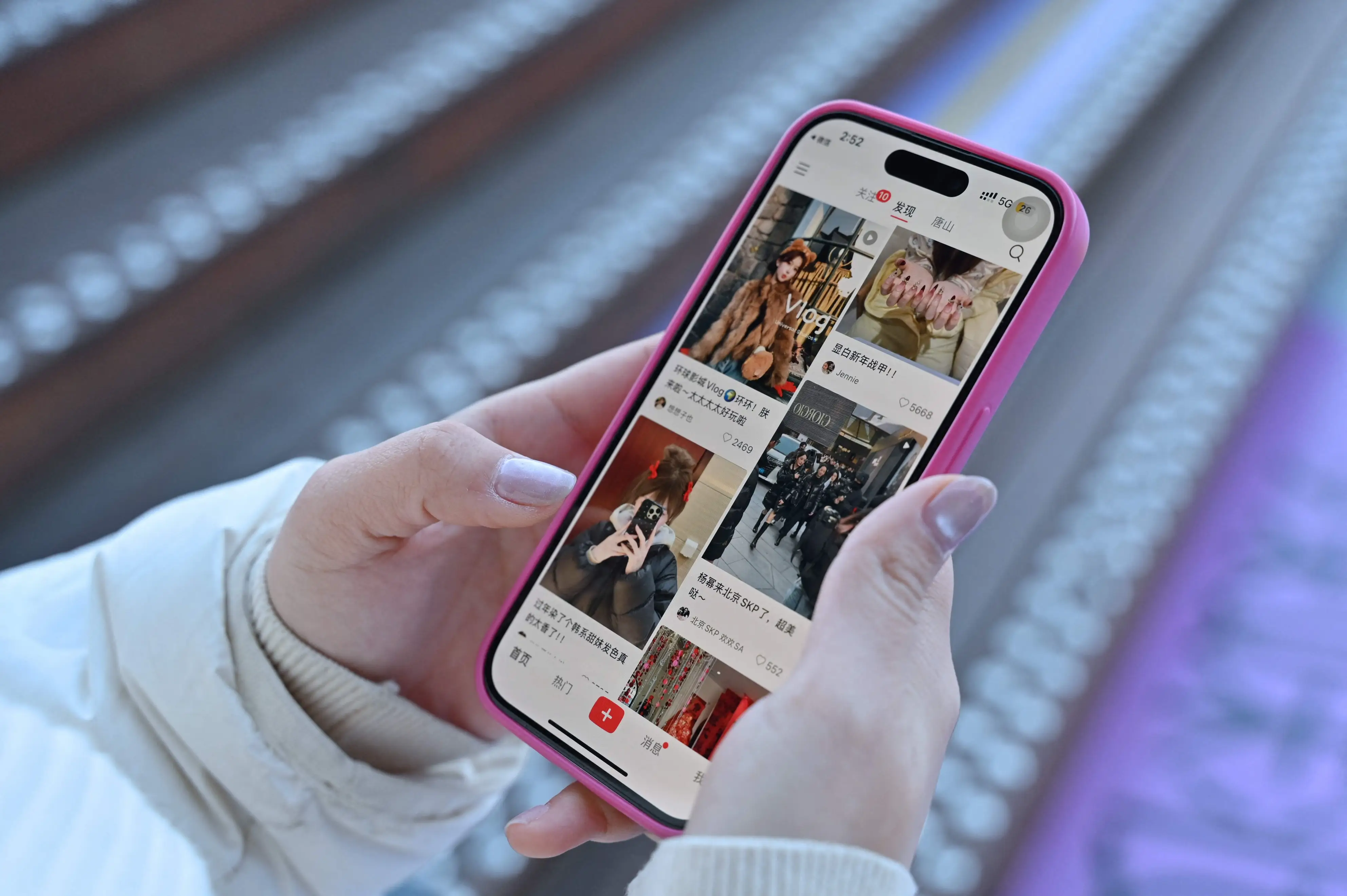
Many sellers maintain steady daily sales, yet creator campaigns fall into chaos once large discount promotions kick off. Content schedules get disrupted, creator slots fill up quickly, exposure drops, and conversion performance turns worse than regular periods.
The core issue is not the lack of skills to source creators. Most sellers apply regular creator collaboration rules to big promotion campaigns. These two scenarios differ greatly in competitive environment, user mindset and content rhythm. Sourcing creators and launching content at the last minute will waste traffic opportunities and campaign budget.
Why Large Promotions Require a Dedicated Creator Strategy
Competition stays mild during regular sales cycles, and users make purchase decisions rationally. When entering big promotion periods, the whole market changes dramatically.
Competitors ramp up promotion content, and similar promotional videos flood the platform, pushing competition to a higher level. Shoppers gain access to more discounts and store activities, leading to stronger price comparison behaviour and lower brand loyalty. Numerous brands launch campaigns at the same time. Popular creators receive dozens of collaboration requests, and low-priority partnerships will be delayed or handled perfunctorily. Users are used to fast purchasing during promotions. They make decisions quickly and demand stronger urgency, attractive pricing and clear value comparison in content.
Regular slow-paced grassroot content cannot compete for traffic in crowded promotion feeds. Large promotions need separate creator strategies instead of hastily assembled content.
Do Not Rely on the Same Group of Creators for Every Campaign
To keep promotion performance stable, sellers can divide creators into three tiers with clear roles, so you do not build everything from scratch for each event.
Core Creators
They maintain long-term stable cooperation, deliver strong conversion, reach precise audiences and cooperate smoothly. These creators form the basic sales volume for promotions, sustain stable return on investment and act as the main driving force for every campaign.
Campaign Creators
They do not create daily grassroot content, and only join large promotions and discount events. They excel at promotional copy, limited-time urgency, price comparison and live streaming sales spikes. Their strong explosive power helps lift peak GMV during campaigns.
Experimental Creators
This group includes new creators, niche accounts and small-creator accounts with high engagement. Sellers can leverage promotion traffic to test new audiences, new niches and new content styles, and continuously enrich creator pools.
The three-tier creator combination guarantees stable baseline sales, explosive revenue growth and continuous resource accumulation.

How Many Creators Do You Need for a Promotion? Calculate Based on Multiple Factors Instead of Fixed Numbers
There is no universal number of creators for large promotions. Recruiting too many creators wastes samples and commission, while insufficient creators cannot support campaign traffic.
The scale of creator recruitment depends on five factors, including product profit margin, campaign duration, target sales volume, creator content capacity and sample budget.
You can follow this simple calculation model. Set target sales volume for this campaign Estimate average sales generated by each creator Calculate the estimated number of required creators
Reasonable allocation avoids unnecessary cost waste and traffic shortages, maximising campaign return on investment.
Three Stages to Run Creator Marketing for Promotions
Pre-Campaign
Contact creators and lock schedules in advance. Confirm campaign rules, discount offers and product selling points. Send samples and finalise content scripts. Release warm-up content ahead of time to guide users to save products and add items to carts, accumulating intention traffic before launch.
Campaign Week
Release promotional short videos in batches, collaborate with creator live streams and fully activate affiliate marketing. Track daily content performance in real time. Supplement extra content for low-traffic videos and seize peak promotion traffic.
Post-Campaign
Review full data including views, engagement, clicks, orders and GMV from all creators. Rank creators by performance and reserve high-quality partners for upcoming promotions.
Do Not Clear Creator Lists Right After Promotions
Many sellers stop communicating with creators once campaigns end, forcing them to restart creator sourcing and screening for the next promotion. The proper long-term operation method is tiered retention.
High-performing creators can sign long-term cooperation agreements and become core resources. Creators with medium results stay in the pool. Optimise scripts and product display for retesting in future campaigns. Review low-performing creators to identify whether weak results come from audience mismatch, content flaws or product factors, then decide to adjust cooperation or terminate the partnership. Keep following newly tested creators and observe their growth potential.
Continuous iteration of creator pools improves targeting accuracy, stability and return on investment for every subsequent promotion.
Conclusion
Creator marketing for big promotions relies on advance planning, tiered creator grouping and phased operation, rather than last-minute content release. Regular cooperation frameworks cannot adapt to fierce competition during promotions. Building a complete creator tier system and three-stage campaign rhythm helps brands gain stable exposure and explosive sales in peak traffic periods.