
If you are a Filipino TikTok Shop seller whose affiliate program has a healthy-looking sign-up count and a feed full of nothing — creators accepted the invitation, took the sample, and never posted, the sign-up count says the program is healthy and the feed says otherwise. Those two facts can both be true for weeks, because nobody has put a definition on the word active. The search phrase itself is the evidence: Filipino sellers are typing "affiliate not posting videos" more than any other affiliate question we sampled this month — eighteen results on one query alone. A 31-like post asking simply "anyone else?" under #tiktokshopviolations is the same complaint in public. Meanwhile an invitation tutorial under #inviteaffiliates pulled 340 likes, because the supply of creators willing to be invited is not the problem. The gap is between accepting and uploading, and it is where December budgets die.
Every accepted invitation that never produces a video costs you three things at once: the sample, the slot you could have given to someone else, and the silence you keep interpreting as "they are busy". Do the arithmetic on a program of eighty accepted creators where twenty never post — that is twenty samples gone, twenty commission slots frozen until you notice, and a December content calendar built on names that were never going to deliver. The 122-like sample-tracking post from a Filipino creator shows the other side of the same coin: the creators who do post are tracking their samples carefully, which means the ones who go quiet are not confused about what they owe you. They decided.

Why Signed Up but Not Posting Is the Real Number
The instinct is to invite more people, because a bigger funnel feels like the answer to a leaky funnel. It is not. Inviting more creators into a program that is already holding silent names just multiplies the silence and hides the real number. The correct move is subtraction first: define what "active" means, run every accepted invitation against that definition, and remove the names that fail. Only then does adding new names have anywhere to land. Filipino sellers who run this the other way around — invite, invite, invite, then wonder why December looks thin — are not short of creators. They are short of a verdict on the ones they already have.
There is a second reason subtraction comes first. A program full of silent names distorts every number you use to plan December: average commission per creator looks fine because it is divided by the wrong denominator, and the creators who are actually carrying the program look ordinary because their output is averaged against zero. Clean the program before you read it, or you will plan the peak window against a metric that flatters the wrong people.
Define Active Before You Count Anyone
Start by writing the definition down, because "active" is where most programs quietly lie to themselves. Our definition for a Harbolnas window is narrow on purpose: a creator is active if they have published at least one video featuring your product in the last thirty days, or if they have confirmed a shoot date in writing for the next seven days. Everything else is unverified — not bad, not fired, just unverified. That single sentence turns a soft feeling into a list you can sort, and it is the difference between a program you run and a program that runs you.
Write the definition into your own workflow, not into a document nobody opens. The practical version is a status field on every creator record with three values: published, confirmed, unverified. The moment a status field exists, the conversation changes from "how is the program doing" to "which names are unverified and what is the next action on each" — and that second question has an answer you can act on this afternoon.
If you want the seven-day clock sheet and the two follow-up scripts ready to paste, register for DAMI and contact our support team for the free affiliate follow-up sheet — status values, day-eight check and the replace-or-hold decision laid out in one page.
The Seven-Day Clock for an Affiliate Signed Up but Not Posting
Filipino sellers deal with an affiliate signed up but not posting at two different points, and confusing them is the usual mistake. Point one is the acceptance: the creator said yes, took the sample, and the clock has not started yet because there is no shoot date. Point two is the silence after a date was agreed. The first needs a confirmation message; the second needs a decision. Give the clock seven days from the moment the sample is marked delivered, and put the day-eight check on the calendar before the sample leaves the shelf — a check that has a date cannot be postponed by a busy week.
Day eight is not a polite reminder day for an affiliate signed up but not posting. It is a decision day, and the decision has three outputs: the creator posted, the creator confirmed a new date with a reason, or the creator is unverified. Only the middle output earns an extension, and only once. Sellers who keep sending "just following up" every three days are not running a program, they are maintaining a group chat — and the December calendar keeps sliding while they do it.
Screening Empty Accounts Without Deleting the History
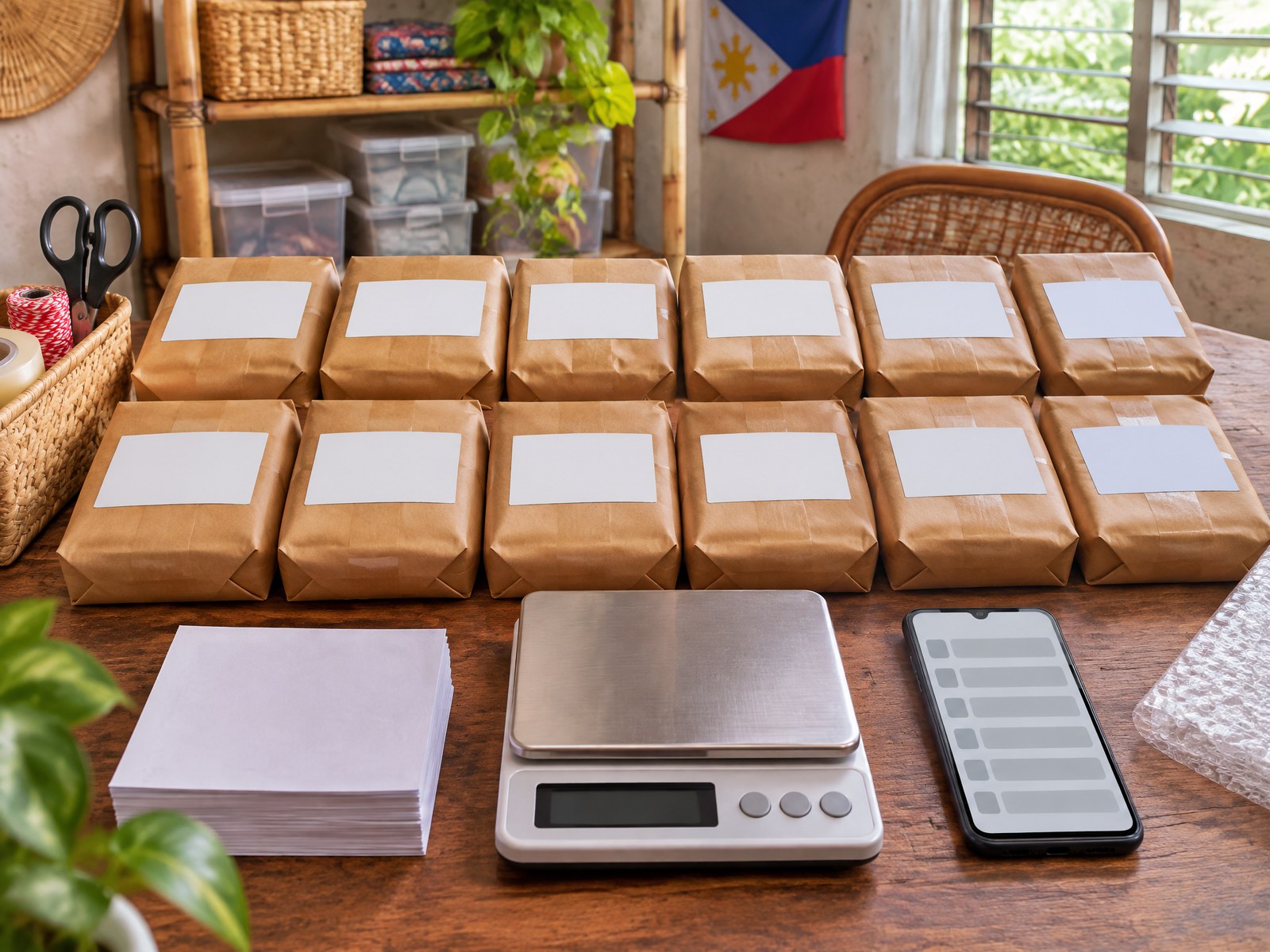
Screening an affiliate signed up but not posting is not the same as deleting them, and the difference protects your December pool. Move failing names into a hold list with the reason recorded: never delivered a video for this shop, sample delivered but no shoot date, or confirmed date missed without explanation. That list has two uses. First, it stops the same name from being re-invited next month by a colleague who does not know the history. Second, some of those names will come back in January with a different category or a better rate, and a recorded reason is what lets you tell a genuine change from a repeat.
Recording reasons also changes what you learn from the batch. If most failures are "sample delivered, no shoot date", the invitation message is promising content without proposing a date — fix the message. If most failures are "confirmed date missed", the problem is creator reliability and the answer is a smaller, better-screened batch. Two different diagnoses, two different fixes, and without reasons on the record you cannot tell them apart.
Refill the Freed Slot From a Warm List
Once the empty accounts are out, refill with names that were filtered, not with names that were convenient. The slot you freed has a date attached to it, so the replacement must be able to shoot inside that date — which means the replacement list should have been built in the same week, from the same category filter, and kept warm with a single message that says "if a slot opens, it is yours". Sellers who refill from memory end up with the same silence in a different order, and they lose the seven days twice.
The warm list is a small operational habit with an outsized effect: it means a replacement can be invited on day eight and shooting by day ten. Without it, freeing a slot produces a two-week hole, which is worse than the silent creator you just removed. Build the warm list at the same time as the original invitation wave, and cap it at twice the number of slots you expect to free — more than that and nobody in it believes the promise.
How DAMI Runs the Sign-Up-to-Post Pipeline
DAMI brings an 8-million-plus creator database, competitor and competitor-store creator search, automated outreach tasks, AI-assisted outreach, AI video creation, sample management, campaign management, social media management, store analytics, and multi-store team dashboards into one place. The status field, the seven-day clock, the recorded reason, the hold list and the warm replacement list are what DAMI's AI-assisted outreach and campaign management hold together — the sign-up-to-post pipeline becomes a queue you can read instead of a hope you re-check.
Tag every accepted creator with a status value
DAMI's creator records carry the outreach history and sample status in one place, so each name shows published, confirmed or unverified without a manual audit — the affiliate signed up but not posting becomes a filter, not a feeling.
Run the day-eight check on the sample batch
Sample management shows which creators received what and when, so the seven-day clock has a real start date, and the day-eight check runs against a list instead of against memory.
Replace from the warm list, not from memory
Batch invitations with AI-assisted outreach keep the warm list reachable, and campaign management holds the freed slot with its date so a replacement can be invited the same day the decision is made.

Frequently Asked Questions
How many days should I wait before chasing an affiliate signed up but not posting?
Seven days from the day the sample is marked delivered, and the check should be on the calendar before the sample ships. Day seven is for the message; day eight is for the decision. Waiting longer than that does not improve the answer — it only shortens the window you had to replace them.
Is it better to remove silent creators or keep them for later?
Move them to a hold list rather than removing them, but record the reason. Keeping a silent name inside the active program distorts your numbers; deleting the record loses the history you need in January. Hold plus recorded reason gives you both a clean program now and a usable file later.
What should the follow-up message actually say?
Name the specific thing that is missing, the date it was due, and the next available slot — in that order. "Your sample arrived on November 9, I have not seen a video, and I can hold the December 5 slot until Friday" gets an answer. "Just following up" asks the creator to solve a problem you did not describe.
How do I stop new creators from joining the same silent pattern?
Put a date in the invitation itself. A message that says "shoot window December 1-7" screens out creators who never intended to shoot, because they have to say no explicitly. Invitations without dates collect acceptances from people who are agreeing to a feeling, not to a deliverable.
Does screening empty accounts hurt my affiliate program numbers?
It changes them, which is the point. The sign-up count falls and the average output rises, because both are now measuring the same population. A program of fifty verified creators is easier to plan against than a program of two hundred names where one in four has never posted.
Mark the List This Afternoon
The expensive habit here is not a slow month. It is carrying silent names in the active list until December, then discovering the program was smaller than the report said. DAMI brings an 8-million-plus creator database, competitor and competitor-store creator search, automated outreach tasks, AI-assisted outreach, AI video creation, sample management, campaign management, social media management, store analytics, and multi-store team dashboards into one place.
This afternoon, open your affiliate list and mark every creator as published, confirmed or unverified using the narrow definition — that alone tells you how many names are actually carrying the program. Then set the day-eight check on the calendar for the batch you shipped this week, and you have started fixing an affiliate signed up but not posting problem instead of describing it.
Start with DAMI while there is still time to screen the list and refill the slots that open.