

A good product does not automatically attract visitors. On TikTok Shop, sellers often face a confusing situation: stock is ready, content has been created before, affiliates have been opened up, yet the product page remains quiet. Problems like this should not immediately be answered with discounts, changing products, or producing as many videos as possible. The more sensible first step is to read where traffic is coming from and at which point potential buyers stop.
With a simple audit, you can distinguish whether the main problem is content that does not drive clicks, affiliates that are not truly working yet, live sessions that do not direct viewers to the product, search that is not yet capturing buyer needs, or a product page that is not convincing enough. This article discusses how to increase TikTok Shop product traffic from a diagnostic perspective, not from promises of quick results.
Start with visit sources, not guesses
If product visits are low, open the TikTok Shop dashboard and separate the available traffic sources. Pay attention to visits from your own content, affiliates, live sessions, search, and store views. Each source has different symptoms, so the corrective actions are not the same.
For example, a video may get views, but product clicks remain low. That indicates the content can attract attention, but is not yet strong enough to direct viewers to the product page. Conversely, if affiliates are already registered but traffic does not move, the problem may lie in the quality of affiliate content, the fit between the product and the creator's audience, or promotional materials that are not clear enough.
A common mistake is changing many things at once. Sellers lower the price, change the main photo, edit the description, add bundling, then create several new videos in a short period. After that, it becomes difficult to read which change actually had an effect. For a clean diagnosis, choose one main problem, one priority product, and one channel to test first.
Read symptoms from content, affiliates, and the store
Low traffic does not always mean the product is bad. Often, the path to the product is not clear enough. That is why sellers need to read symptoms by channel, instead of using one solution for every problem.
If the video is watched but the product is rarely clicked
This symptom appears when video views are visible enough, but product clicks are low. The causes may include a hook that is too generic, product benefits that are not immediately clear, product visuals that are not clear enough, or a call to action that is not specific. Viewers may understand the video, but not feel the need to open the product.
The fix starts with the content angle. Do not just show the product on a table or in a hand. Show a real usage situation: what problem it solves, who benefits most, and when the product is relevant to use. Make sure the product link matches the content of the video. If the video discusses one variant, do not direct buyers to a page that makes them guess which variant is meant.
The risk limit is clear: do not make benefit claims that cannot be proven. Excessive claims may attract short-term clicks, but they can damage trust and make buyers hesitate when reading the product page.
If affiliates exist but visits do not increase
The number of affiliates is not always the same as the amount of content that works. Some affiliates take samples but have not made videos, some create content but use an unsuitable angle, and some have audiences that do not match the product category. Therefore, do not only look at the number of connected creators. See whether they are truly producing content that brings potential buyers to the product.
Sellers need to prepare concise promotional materials. These can include key selling points, how to use the product, claim limits, examples of buyer problems, and sample video angles. These materials help affiliates create content without guessing. Avoid giving directions that are too rigid, but make sure the product's basic message stays consistent.
If you want to evaluate affiliates, compare content quality, audience relevance, and message consistency. Do not make decisions only from the assumption that more affiliates will definitely mean more traffic.

If the store is active but the product page is not convincing yet
Sometimes content and affiliates are already working, but the product page makes potential buyers stop. The causes may include a title that is too generic, a blurry main photo, confusing variants, a thin description, or product benefits that do not match the message in the video.
The product page must answer the expectations built by the content. If the video highlights ease of use, the photos and description need to support it. If the content discusses a specific size, material, color, or function, that information should be easy to find on the product page. Consistency between the video, product name, main photo, variants, and description helps reduce buyer hesitation.
A product traffic audit sheet you can use right away
To make the way you increase TikTok Shop product traffic more focused, create a simple audit sheet. You can use a regular spreadsheet with several main columns: product name, traffic source, symptoms, suspected cause, most recent change, next action, and result notes.
Columns to fill in
In the traffic source column, separate your own content, affiliates, live sessions, search, and store. In the symptoms column, record the data available in the dashboard, such as impressions, product clicks, page visits, interactions, or other relevant notes. In the suspected cause column, write the possible problem: content, offer, product page, stock, variants, price, or trust.
Add a most recent change column so you know what was just changed. This is important because sellers often forget that the photo, title, price, or affiliate materials were just changed. Without change notes, evaluation can easily get mixed up with incomplete memory.
How to read the audit results
If impressions are high but clicks are low, your priority is the message, visuals, and click prompt in the content. If clicks exist but visits do not grow, check whether the linked product is relevant and whether the product page is convincing enough. If all sources are weak, do not fix everything at once. Start with one product that is most worth testing, then choose one main channel to improve.
A good audit does not have to be complicated. What matters is that the audit helps you hold back from impulsive decisions. Instead of immediately changing products, you can see whether the real problem is only in the main photo, video angle, or affiliate materials.
A realistic optimization sequence
After the audit is complete, start with actions whose impact is easiest to read. First, choose one priority product. Choose a product with ready stock, a still reasonable margin, and information that can be explained clearly through content.
Second, tidy up the product page. Improve the title so it is more specific, choose a clear main photo, arrange variants so they are not confusing, and write a description that answers buyer questions. Do not include claims you cannot support.
Third, create several content angles based on buyer problems. For kitchen products, for example, angles can revolve around saving cooking time, neater storage, or how to use the product in a daily routine. For care products, angles can focus on how to use them, the order of use, or common mistakes to avoid, as long as the claims remain reasonable.
Fourth, help affiliates work more easily. Send a product summary, usage examples, claim limits, and angle ideas. Clear materials make the product message more consistent without suppressing the creator's style.
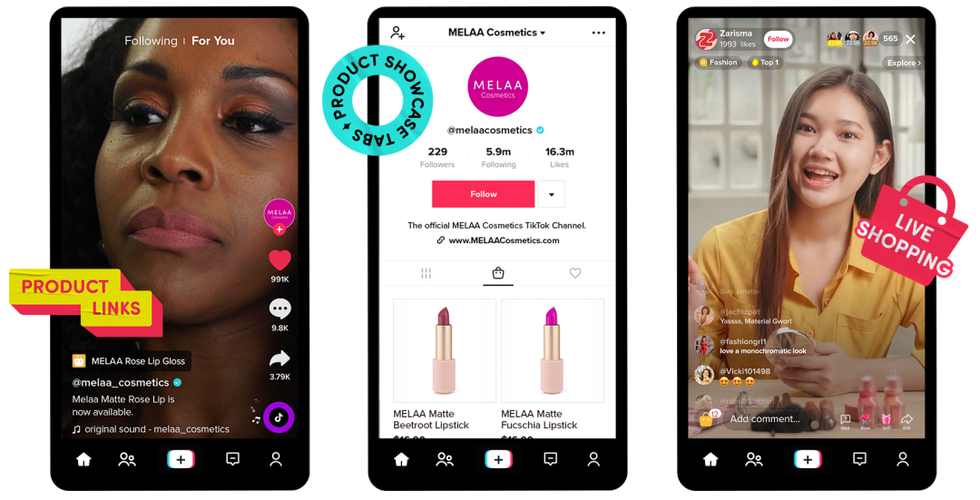
Fifth, evaluate observable changes. See whether product clicks, page visits, or interactions improve after the changes are made. Give it a few days to one week to read the pattern, then decide whether to continue, repeat the angle, or improve another part. Menu names, metrics, and features may change, so match your evaluation to the TikTok Shop dashboard you are currently using.
Risk limits when pursuing higher traffic
Pursuing traffic must not sacrifice trust. Do not increase content frequency with the exact same message because audiences may feel they are seeing repetitive material. Do not use benefit claims that cannot be proven. Do not change the price, bundling, content, and product page all at once if your goal is to read the impact of a change.
Lowering the price is also not always the answer. Price can influence purchase decisions, but traffic is related to whether people find, are interested in, and want to open the product page. If the problem is a video that does not drive clicks or a product page that is confusing, a discount will not necessarily solve the root cause.
Brief FAQ about TikTok Shop product traffic
Why is my TikTok Shop product rarely visited?
The cause may come from content that does not drive clicks, affiliates that have not created effective content, live sessions that do not direct viewers to the product, search that is not yet relevant, or a product page that is not convincing enough. Separate traffic sources before making a decision.
What should be fixed first: content, affiliates, or the product page?
Fix the part with the clearest symptoms. If video impressions exist but clicks are low, start with content. If there are many affiliates but little content, improve affiliate support. If clicks exist but buyers hesitate, tidy up the product page.
Does lowering the price always help traffic?
Not always. Price can influence buying interest, but low traffic often starts from distribution, content messaging, or the product page. Lower the price only if the audit shows that the offer is indeed the main obstacle.
When is it necessary to change products?
Change products if, after several controlled tests, the product still cannot find a suitable audience, the offer is difficult to explain, or the obstacles come from stock, quality, and trust issues that cannot be fixed quickly. If the problem is only distribution or the product page, improvements are still worth trying.
A summary worth using as a guide
The safest way to increase TikTok Shop product traffic starts with auditing visit sources. Separate traffic from content, affiliates, live sessions, search, and the store. Read the symptoms, choose one priority product, fix one part first, then evaluate the impact. This way, optimization decisions do not depend on guesswork, and sellers can choose the most sensible action for their product's condition.
To read other guides on the same topic, continue to the TikTok Shop optimization hub and use the related articles according to the problem you are auditing.