
Many local gadget brands start planning campaigns with the wrong question: which account is the most popular? That question feels practical, but it often leads shortlists to prioritize popularity too quickly. For product launches, a popular account doesn't necessarily help potential buyers understand features, compare options, or trust that the product is worth trying. Before reaching out to creators, brands need to know what role they need in the campaign.
In mapping Indonesian TikTok gadget influencers, a safer approach is to choose the creator's function before choosing the account name. Some creators excel as reviewers, others are sharper as educators, and some are effective at driving promo momentum. All three can discuss gadgets, but their campaign tasks differ.
Quick answer: choose the role before choosing the account
For an initial shortlist, local gadget brands should divide candidates into three roles. Reviewers are used to help validate product experience. Educators are used to explain features, ecosystems, or usage scenarios. Promo hunters are used to spread offers like discounts, bundles, live shopping, or TikTok Shop activations.
This mapping doesn't guarantee sales and doesn't replace evaluating creator performance. Its function is more operational: reducing misdirected briefs, mismatched expectations, and wrong content formats for the launch stage. Once roles are clear, brands can then examine recent content quality, audience conversations, style consistency, and fit with product claim boundaries.
Why popular accounts aren't necessarily right for gadget launches
Popularity can be an initial signal, but it's not enough for a collaboration decision. An account with frequently viral videos might have strong entertainment value, but its audience might not be looking for product explanations. Conversely, an account that doesn't always go viral might have more valuable comments: questions about compatibility, durability, camera features, warranty, or comparisons with other products.
The biggest risk arises when brands assign all campaign tasks to one type of creator. Content might get attention, but the product's core message gets overshadowed by the creator's style. Reviews might look detailed but be too technical for a general audience. Promos might spread quickly, but the audience only remembers the price, not why the product is different. Therefore, follower count and a single trending video shouldn't be the sole reason to send an offer.
Map of three types of gadget creators on TikTok
Reviewers: to build product trust
Reviewers are suitable when a new product needs to be proven through hands-on experience. They typically excel at unboxing, feature testing, usage comparisons, and daily evaluations like build quality, camera, battery, audio, companion apps, or device comfort. A reviewer's main value isn't just listing specs but providing context: for whom this product makes sense, where the compromises are, and what expectations to manage.
Brands need to give reviewers reasonable room for opinion. Briefs that are too rigid can make reviews feel unnatural. Conversely, briefs that are too vague can lead creators to highlight technical aspects that don't align with the launch message. The balance: provide key product points, but don't ask creators to omit relevant hands-on experience.
Educators: to translate features into benefits
Educators are useful when a gadget brings features, ecosystems, or usage scenarios that the market doesn't immediately understand. Examples include productivity features, app integrations, camera modes, gaming settings, accessory connectivity, or daily workflows. An educator's job is to turn specifications into practical reasons for potential buyers.
For this type, brands need to set priorities. Don't cram too many messages into one video, as content can turn into a read-out promo. Educators usually work better if the brief includes one user problem, one key feature, a concrete usage example, and clear claim boundaries.
Promo hunters: for offer momentum
Promo hunters are relevant when brands run discounts, bundles, live shopping, voucher codes, or TikTok Shop activations. Their main value lies in quickly spreading easy-to-understand offer information. This type helps audiences grasp what's offered, when it applies, and what steps to take.
However, promo hunters shouldn't be the sole face of a launch campaign. If all communication hinges on price urgency, product differentiation can weaken. Promo claims also need to be easily verifiable: clear period, clear terms, and stock or product variations shouldn't be made to seem guaranteed if the brand can't ensure them.
Shortlist criteria before contacting creators
Match content format with campaign goals
If the product still needs trust, prioritize reviewers who can reasonably demonstrate hands-on experience. If the product's features are complex, choose educators who can make audiences understand benefits without too much jargon. If the main goal is to drive offer momentum, promo creators can be part of the campaign mix.
A single creator can have more than one style. Some reviewers can educate, some educators can drive promos, and some promo hunters occasionally do light reviews. Even so, brands still need to mark each candidate's primary role so briefs, compensation, timelines, and evaluation methods don't get mixed up.
Check audience conversation quality
Look at several recent pieces of content, not just one viral video. Notice whether comments contain real product questions, such as comparisons, compatibility, warranty, durability, daily use, or complaints that are answered clearly. Such conversations show that the creator's content is used by audiences to weigh decisions, not just to scroll past.
Also check how the creator responds. Clear, consistent, and non-exaggerated answers are usually safer for the gadget category, as product claims need to be maintained. If creators often make absolute claims, brands need to tighten the brief or consider other candidates.
Tailor the brief to the creator's function
Reviewers need room for reasonable opinions. Educators need precise feature points and usage examples. Promo hunters need easily verifiable offer details. A costly mistake occurs when brands use the same script for all creator types. The result can be stiff, lacking credibility, or risky for claims that are hard to justify.
How to use this map in your first campaign
Start with a simple candidate list. Mark each account as reviewer, educator, promo hunter, or a combination with one primary role. Then write down the goal of the first contact: whether the brand wants to send a product for testing, ask for an explanation of specific features, or invite the creator to spread a limited offer.
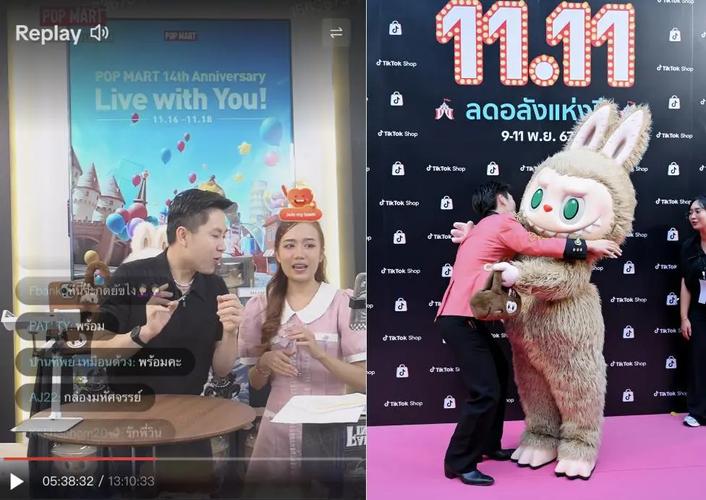
For an initial launch, a healthy mix usually doesn't rely on a single content type. Brands can use reviewers to build trust, educators to clarify why the product is relevant, and promo hunters to drive momentum when offers are ready. This map can also support selecting gadget creators in TikTok Shop affiliate programs, especially when brands need to distinguish educational creators from those stronger at promo conversion.
Summary for internal teams
The simplest working sentence: brands should choose the influencer's role before choosing the account name. Reviewers help with validation, educators help with understanding, and promo hunters help with offer momentum.
For cleaner decisions, each candidate's performance still needs to be checked through recent content, audience conversation quality, style fit with the product, and the ability to follow briefs without losing their original character. In the context of Indonesian TikTok gadget influencers, this role map isn't a ranking list but an initial selection tool so brands aren't swayed by surface numbers.
FAQ about TikTok gadget creators
Can one creator be both a reviewer and a promo hunter?
Yes, but brands still need to determine the primary role for each piece of content. If a video is meant as a review, don't overload it with too many promo messages. If a video is meant as a promo, ensure product claims and offers remain clear.
When should local gadget brands prioritize educators first?
Educators should be prioritized when the product brings new features, uncommon usage scenarios, or an ecosystem that needs explanation before audiences can assess its benefits.
What is the most costly mistake when choosing gadget influencers?
The most costly mistake is choosing an account only because it looks popular, then giving a brief that doesn't match the creator's strengths. The impact can be content that grabs attention but doesn't help achieve campaign goals.
How to limit the risk of exaggerated claims in promo content?
Provide specific offer information, limit claims to what can be verified, and ensure creators understand which are product benefits and which are promo terms. For Indonesian TikTok gadget influencer campaigns, claim boundaries must be agreed upon before content is produced.
Next steps
Before sending briefs, create a worksheet with candidates, primary roles, reasons for shortlisting, examples of recent content, notes on audience conversations, and product claim boundaries. This way, internal discussions don't stop at the most popular account but move to a more useful question: which creator is best suited for the current campaign task?