
Choosing a TikTok Shop creator vendor often feels like solving a puzzle. Many brands end up disappointed because the vendor they selected turned out to be a poor fit. Common mistakes include fixating on follower count or opting for the cheapest price. However, a wrong decision can be fatal: content that misses the mark, wasted budget, and even the risk of violating TikTok Shop policies. So, how do you evaluate vendors correctly? This article will guide you through the types of vendors, key criteria, and an evaluation checklist you can put into practice right away.
Why Choosing a TikTok Shop Creator Vendor Often Goes Wrong
Many brands choose vendors based solely on low price or high follower count. Yet, these two factors do not guarantee quality. Vendors with low rates often lack a clear portfolio or relevant experience with your product. As a result, the content they produce is less engaging and fails to drive conversions. Additionally, many brands overlook the vendor's track record. They trust promises of instant results without asking for tangible proof from previous campaigns. The impact can be long-term: failed campaigns, diminished consumer trust, and a damaged brand image. Therefore, it's crucial to have clear criteria before selecting a vendor.
Types of TikTok Shop Creator Vendors You Need to Know
After realizing that choosing a vendor cannot be done haphazardly, the next step is to understand the types of vendors in the market. This distinction matters because it affects how you communicate, measure results, and manage risks.
Creator Agencies vs. Individual Vendors: Which Is More Suitable?
Broadly speaking, TikTok Shop creator vendors fall into two categories: creator agencies and individual vendors. Agencies typically have a team handling strategy, content production, and campaign management. They are suitable for brands that need large-scale operations or a structured approach. However, their costs tend to be higher and processes more bureaucratic. On the other hand, individual vendors offer flexibility and direct communication. They are often quicker to execute and easier to discuss with. However, their capacity is limited, and if issues arise, there is no support team to rely on. The choice depends on your needs: if you need quick execution with a limited budget, an individual might be the choice; if you need long-term strategy, an agency is more appropriate.
Specialist vs. Generalist Vendors
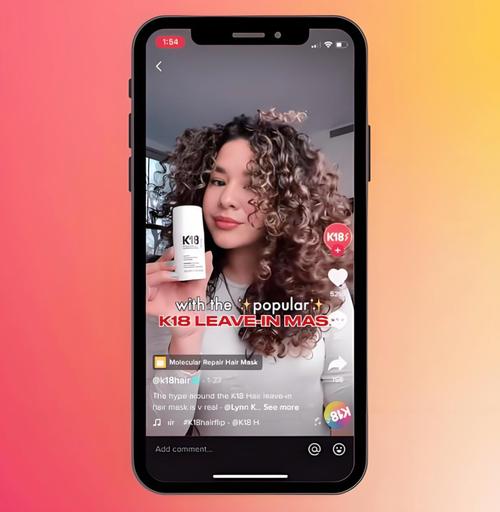
Another distinction to consider is specialization. Specialist vendors focus on a specific niche, such as beauty products, fashion, or food. They understand the intricacies of those products, including terminology, trends, and audience preferences. Their advantage is that they can produce more relevant and effective content. However, they may be less flexible if you want to expand into other categories. Conversely, generalist vendors serve a variety of products. They are more adaptable and can handle diverse needs. However, their depth of understanding of your product may be lacking, requiring time to adjust. If you have a highly technical or niche product, a specialist vendor is recommended. If you have many products across categories, a generalist might be more practical.
Essential Criteria for Choosing a TikTok Shop Creator Vendor
After understanding the types of vendors, the next step is to establish objective selection criteria. Many brands get stuck on follower count or low price, but these two factors do not guarantee a good fit with your product. The right criteria must be verifiable and relevant to your campaign goals.
Transparency and Track Record: The Key Foundation
Transparency is the cornerstone. A professional vendor will be open about their portfolio, client testimonials, and case studies. They won't hesitate to show performance data from previous campaigns, including metrics like engagement rate and conversions. Conversely, be wary of vendors who avoid detailed questions or only show screenshots without context. A solid track record also includes compliance with TikTok Shop policies, as violations can impact your account.
Alignment with Target Audience and Product
The right vendor is not just a creator with many followers, but one who understands your audience and product. For example, for skincare products, a vendor who typically handles beauty creators will better understand how to convey product benefits authentically. They should also be able to analyze your audience and tailor content to their preferences. This alignment reduces the risk of off-target content and increases the likelihood of conversions.
Evaluation Checklist for TikTok Shop Creator Vendors

After understanding the types of vendors and the criteria they must meet, the next step is to systematically evaluate potential vendors. This checklist helps you avoid decisions based on intuition alone and ensures every important aspect is considered before signing a partnership.
Questions to Ask Before Collaborating
Ask the following questions to every vendor on your shortlist. Their answers will reveal their level of professionalism and readiness.
- Experience with similar products: Have you handled products or niches similar to ours? Ask for specific examples and results achieved.
- Reporting methods: How do you report campaign results? Do you provide transparent periodic reports, including metrics such as reach, engagement, and conversions?
- Contract and content ownership: Who owns the rights to the content created? Ensure clarity regarding future reuse of content.
Red Flags to Watch Out For
In addition to questions, also pay attention to signals that indicate a vendor cannot be trusted. Some red flags to watch out for include:
- Excessive promises: Vendors who guarantee specific sales numbers without supporting data are a major risk. Results on TikTok Shop are influenced by many factors, and no one can guarantee success.
- Unreasonable pricing: Prices far below the market average could indicate low quality or unethical practices. Conversely, extremely high prices also need to be questioned.
- Lack of documentation: Vendors who cannot show a clear portfolio, testimonials, or case studies indicate a lack of verifiable track record.
By using this checklist, you can choose a TikTok Shop creator vendor who is not only competent but also transparent and trustworthy. Remember that careful evaluation is a long-term investment in the success of your campaign.