
Sample requests from creators keep coming in, and in pursuit of exposure, you might be tempted to approve them all. However, approving TikTok Shop sample creator requests without clear filtering will only drain your product stock, inflate shipping costs, and waste operational time. Not every creator who requests a sample actually produces content, and even fewer can drive sales conversions.
Common Mistakes in Approving All Sample Requests
Many sellers assume that the more samples sent out, the greater the chance of going viral. In reality, without clear criteria, products end up in the hands of creators who are irrelevant to your product category or whose audience doesn't match your target market. The most common mistake is approving requests based solely on a creator's follower count. Yet follower count doesn't guarantee conversions. Creators with smaller but highly relevant audiences for your niche often deliver more targeted results than large accounts with generic audiences.
Additionally, sellers often don't set a risk limit per sample, making every incoming request feel obligatory to approve. In fact, every sample request carries a real cost: product price, shipping, packing time, and inventory slots that could otherwise be allocated to paying customers. Careless approval decisions are actually one of the leading causes of operational waste for sellers.
Sample Approval Criteria Based on Relevance and Conversion Potential
Sample approval isn't just about clicking the approve button—it's an operational decision that requires well-thought-out evaluation criteria. You can use the following practical checklist to assess whether a sample request is worth approving or rejecting.
Assessing Creator Profile and Relevance to Your Product
Before approving a request, check three key aspects of the creator's profile:
- Niche Alignment: Check whether the creator's content aligns with the product category you sell. A food review creator isn't automatically a good fit for skincare products, even if they have many followers.
- Consistency and Engagement: Review their posting history and audience interaction. Active creators with high engagement (relevant comments, shares, and saves) tend to have more potential than accounts that rarely post.
- Audience Demographics: Ensure the creator's audience matches your product's target market. Check the types of comments they receive and the content style they've previously produced to confirm alignment.
Estimating Conversion Potential and Sample Risk Limits
Once relevance is confirmed, compare the value of the sample being sent against the expected content outcomes. Don't rely on the assumption that every sample will definitely result in a video or a sale. Set a risk limit per sample based on your operational capacity. If the product value is relatively high, consider rejecting creators who haven't demonstrated a track record of relevant content. Avoid assuming that approval will guarantee conversions. A healthier approach is to treat samples as a content investment, not a guaranteed outcome.
Steps to Approve or Reject Sample Requests in Seller Center
Once your criteria are established, the execution steps in TikTok Shop Seller Center are actually quite straightforward, but the decision must be well-considered before pressing the button. Open the sample request menu from creators, review the requested product details, then re-examine the listed creator's profile. If the creator meets your relevance and conversion potential criteria, select the approve option and proceed with sample shipping according to standard fulfillment procedures. If they don't meet the criteria, use the reject option with a clear reason. Rejecting a sample request is not a violation—it's part of risk management.
Approve vs. Reject Scenarios: When to Make the Decision
The key to a healthy approach to approving TikTok Shop sample creator requests is quickly comparing both sides of the scenario:
- Approve Scenario: Worth taking when the creator has a niche aligned with your product category, their content history shows consistent engagement, and their audience falls within your target market segment.
- Reject Scenario: More appropriate when the creator's profile is irrelevant to your product, their previous content doesn't show a pattern of reviews or product demonstrations, or the sample request appears to be mass-sent without a personal message.
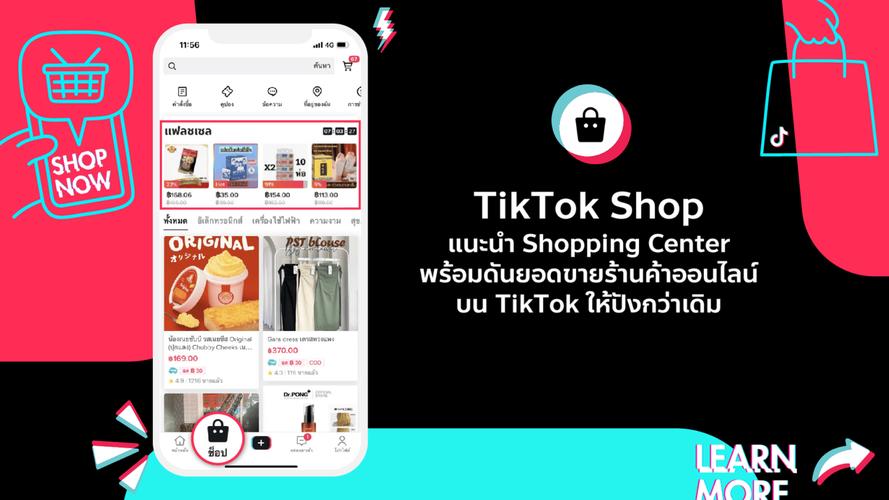
Practical note: The Seller Center interface and features may change at any time. If the menu or button labels differ from this guide, verify through the official TikTok Shop Help Center before making a decision.
Sample Tracking and Evaluating Creator Content Results
Sending a sample isn't the end of the approval process—it's the beginning of the evaluation period. Many sellers lose conversion opportunities because they lack an internal tracking system. Seller Center may display shipping status, but the platform won't automatically remind you if a creator fails to upload content by the deadline. The operational solution is to build a simple external log, for example in a spreadsheet. Record the creator's name, sample shipping date, content creation deadline, and publication status.
With this log, you can proactively follow up. If the deadline passes without any update, add that creator to a rejection list for future requests. Evaluation shouldn't stop at video uploads—also check whether the content links to your product and how it performs initially. This helps you separate creators who are simply looking for free products from those who can genuinely drive sales.
Frequently Asked Questions About Sample Creator Approval
Is it mandatory to approve all sample requests?
No. You have full control to reject requests if the creator's profile isn't relevant to your product niche or their audience doesn't match your target market.
What if a creator doesn't produce content after receiving a sample?
There's no platform-enforced guarantee that can recover your sample costs. Setting risk limits per sample and applying strict selection at the initial stage are crucial to minimizing inventory losses.
What are the indicators of a creator worth approving?
Creators with a history of producing content for similar products with consistent interaction, along with an audience that actively asks about products in the comments section, are strong indicators for approval.
By applying strict criteria and a consistent tracking system, you can ensure that every sample sent truly adds value to your store's growth.