

Start from a real operational problem and return to an executable, reviewable DAMI workflow.
Don't rush for an answer—first identify where you're stuck
Behind "How many influencers should you invite in the first round of a new product launch? Use a testing mindset, not a bet on viral hits," the issue is usually not a lack of technique, but that operators are already feeling the weight of budget and scale decisions. When teams rush to blame influencers, budgets, or platforms, what's most easily overlooked is that the upfront judgment and the follow-up actions aren't connected.
Let's set the boundary first: this article doesn't promise a unified result, nor does it treat data from a particular shop, category, or account as a universal conclusion. It only discusses a more stable judgment path—small-batch testing, review, then scaling. When operations can explain why each step happens, subsequent trade-offs don't need to rely on memory and on-the-spot feelings.

DAMI feature scenario illustration
Put features back into real decisions, not button descriptions
From DAMI's publicly available operation flow, DAMI places targeted invitations, direct messages to influencers, and email tasks within the task creation flow, allowing configurable tasks with templates or custom content. This isn't about renaming features with more complex terms, but about keeping "viewing information," "making choices," and "moving to the next step" from being scattered across different pages, spreadsheets, and chat logs.
The product's role here is to provide a container, not to replace the brand's judgment. DAMI can put the information and actions related to this matter into a single workflow; as for which targets are worth continuing, how conditions should be adjusted, and when manual intervention is needed, that still comes back to the product, content, and team goals themselves.
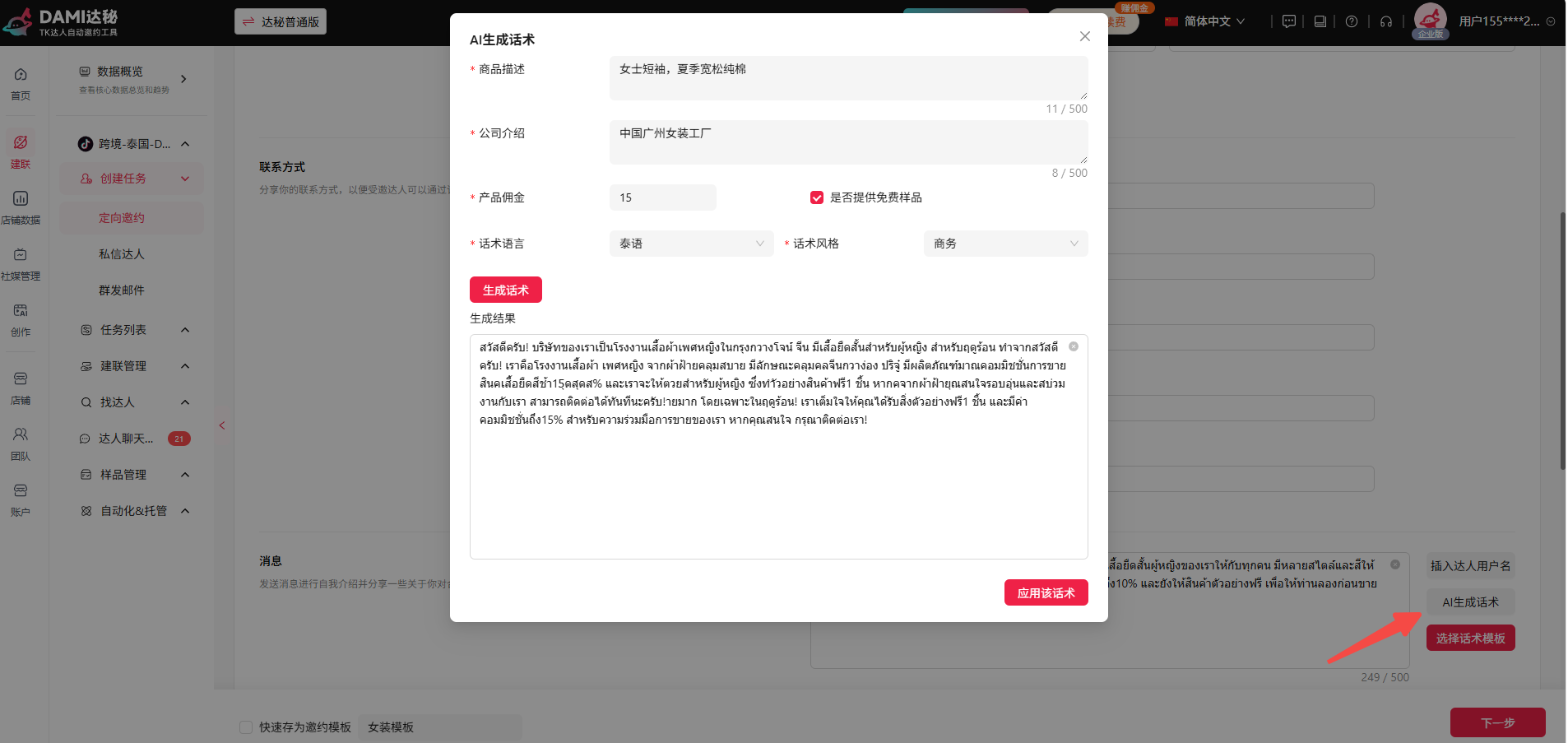
DAMI full-page feature illustration: targeted invitations and outreach tasks
Backend evidence: DAMI places targeted invitations, direct messages to influencers, and email tasks within the task creation flow, allowing configurable tasks with templates or custom content. |
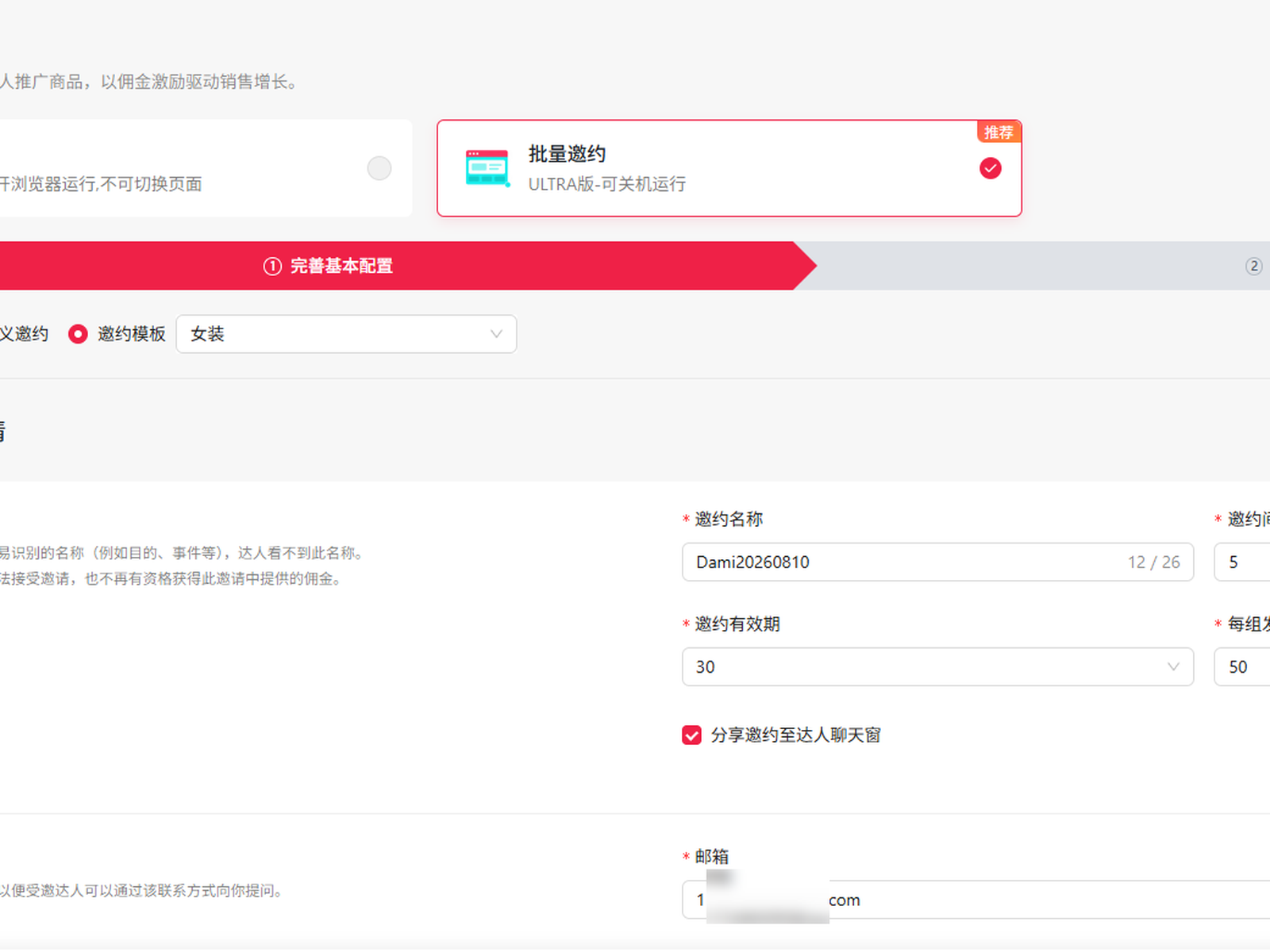
DAMI official operation interface: DAMI places targeted invitations, direct messages to influencers, and email tasks within the task creation flow, allowing configurable tasks with templates or custom content.
The boundary most easily overlooked at this step
Breaking down "How many influencers should you invite in the first round of a new product launch? Use a testing mindset, not a bet on viral hits," reveals at least two layers: first, whether the current action has clear inputs; second, whether the execution leaves behind results that can be reused. Solving only one layer often causes the problem to resurface in another form in the next round.
So the better approach isn't to stretch the process longer, but to keep only the nodes that truly affect judgment. When checking against the DAMI backend, first look at how this capability organizes information and initiates follow-up actions, then decide whether it fits into your own SOP. The feature page provides evidence, not conclusions that replace thinking.
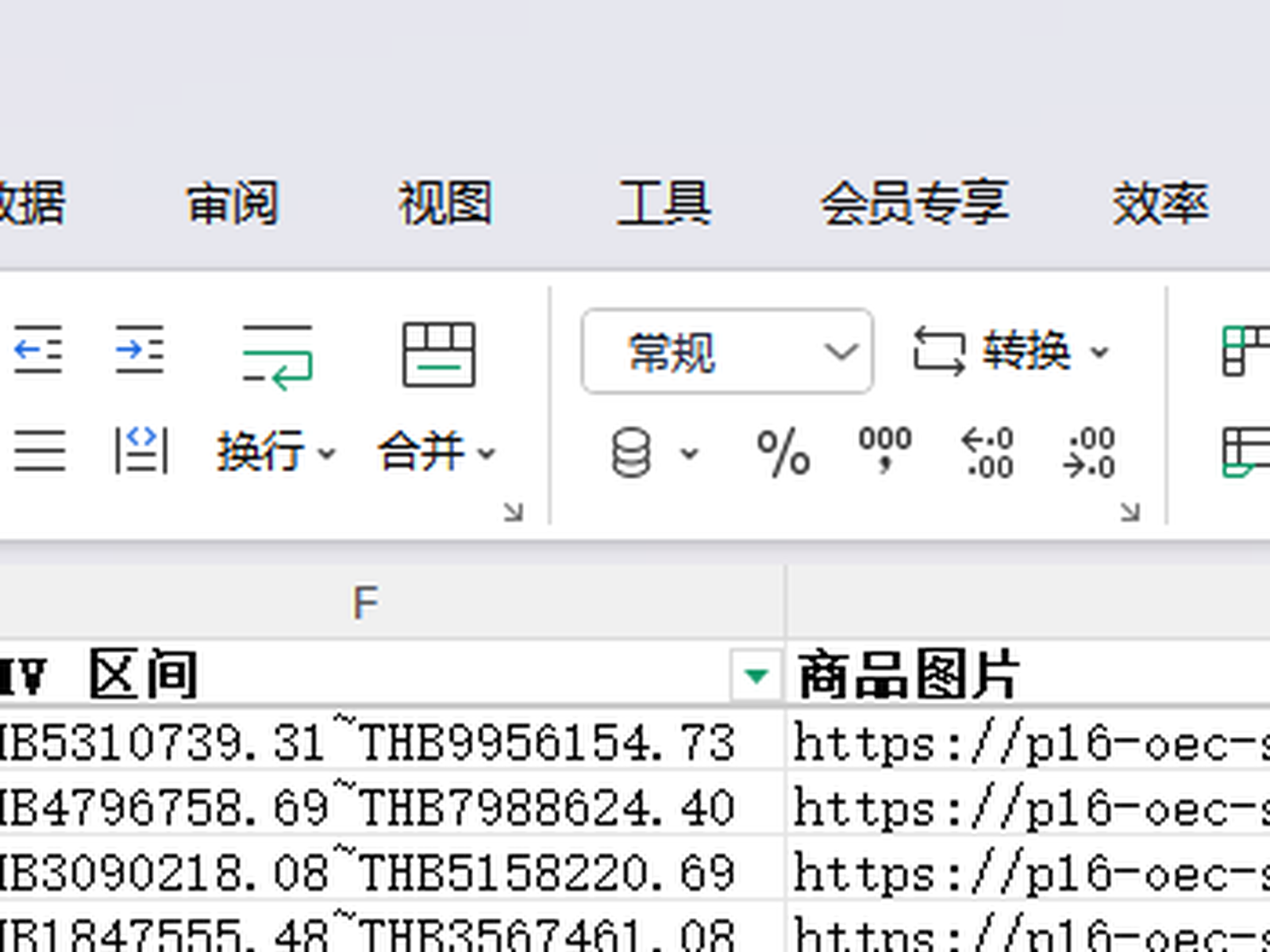
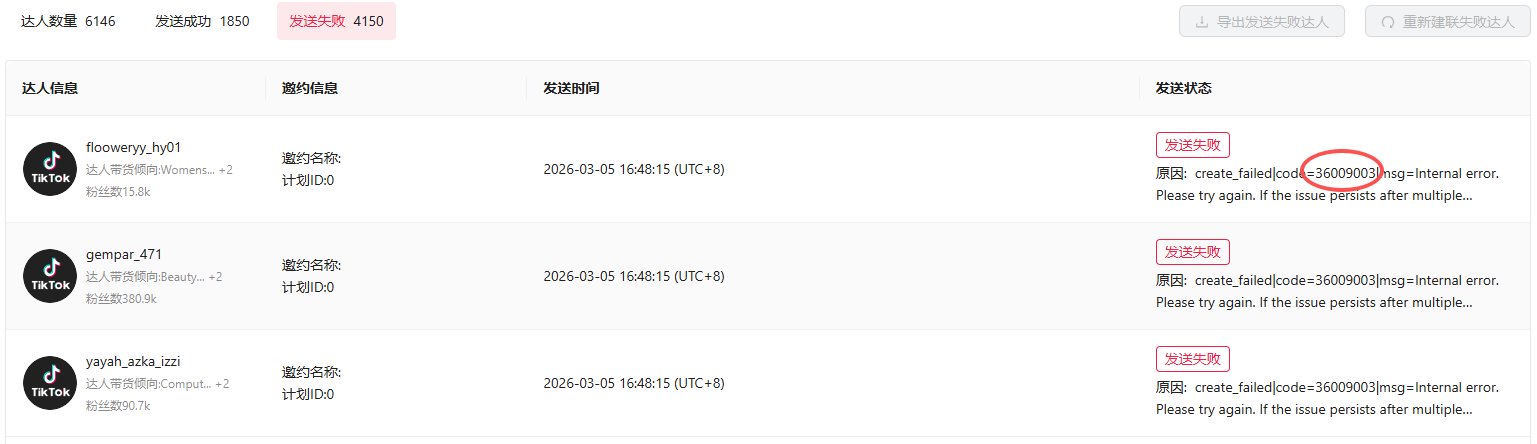
DAMI full-page feature illustration: products, short videos, livestreams, and collaboration data
DAMI official operation interface: DAMI provides data views across dimensions such as products, short videos, livestreams, and collaboration performance, used to put operational judgment back into specific content and collaboration stages.
Turn one operation into better judgment for the next time
A practical check: if you handed today's operation to another colleague, could they understand the current state and know what to do next without digging through a lot of chat logs? If not, the problem isn't just "budget and scale decisions," but a missing visible handoff point between information and action.
DAMI's value lies in productizing this handoff point: so that filtering, tasks, records, statuses, or data don't have to be reorganized from scratch each time. This doesn't turn operations into autopilot, but lets teams spend time on the parts that deserve human judgment, such as fit, collaboration terms, content quality, and exception handling.
Closing: make every action leave a next step
Returning to "How many influencers should you invite in the first round of a new product launch? Use a testing mindset, not a bet on viral hits," the most worthwhile first step isn't trying to solve everything at once, but clearly writing down this round's key judgments, connecting the next action, and leaving the results for the next review. DAMI provides exactly the workbench capability around this stage.
When the process can be seen, experience won't stay stuck in one person's head. Brands don't need to make every step identical, but should make every operation explainable—where it came from, where it's going, and when a person needs to make a decision again.
From feature usage to operational review, one layer is still missing
Around "How many influencers should you invite in the first round of a new product launch? Use a testing mindset, not a bet on viral hits," one more layer of review is needed: have the choices made this round left behind a basis that can be reused next time? If the answer only stops at "this one didn't feel right," the team will still start from scratch next time. Leaving judgment in the process is more reliable than keeping one result in mind.
This is also why budget and scale decisions can't be solved by a single ad-hoc late night. A truly effective process should let teams look back at inputs after execution, preserve exceptions, and adjust conditions for the next round. The workbench DAMI provides doesn't replace these reviews, but keeps the related actions and records from being scattered across different tools.
From a product boundary perspective, DAMI places targeted invitations, direct messages to influencers, and email tasks within the task creation flow, allowing configurable tasks with templates or custom content. This capability is best suited to bear information handoffs, not to give people absolute answers. Brands still need to decide whether to continue based on product stage, content goals, and collaboration targets; the backend exists so these decisions can be traced, discussed, and revised.
A more practical approach is to keep only three things at the end of each round: why it was done this way, what exceptions came up during the process, and what to change next time. They don't need to be written as lengthy reports, but they're enough to keep the team from treating the same problem as a new one over and over.
When a team can use the same set of entry points to see related information, advance follow-up actions, and review changes, the efficiency gains won't stop at "fewer mouse clicks." They come from fewer repeated confirmations, fewer disconnects, and clearer timing for human intervention.