
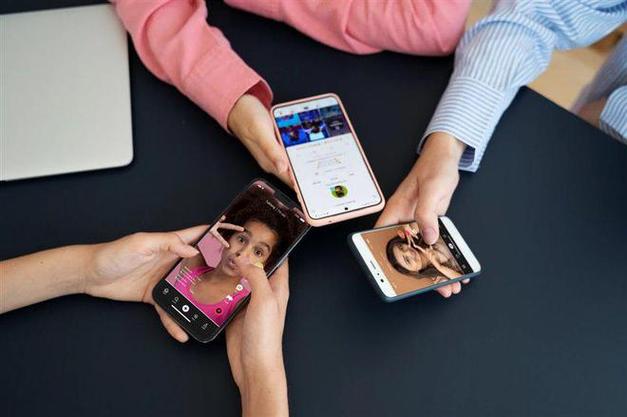
Many brands assume that sending free products to TikTok users will automatically result in review videos. In reality, most users have no motivation to record, edit, and post content without a tangible push. Making a video takes time, ideas, and energy. When voluntary requests fail, brands retreat to their safe zone: forcing internal production teams to create content. This approach quickly drains the budget and produces videos that are too polished, losing the authentic vibe that TikTok audiences seek.
How to get TikTok UGC for a product is fundamentally about building a value exchange system. Users invest their creative time, and brands provide a commensurate reward. This article covers an incentive framework that mobilizes users into creators, a structured video collection flow, and legally safe redistribution practices.
Why Brands Struggle to Get Organic UGC Videos
The root of the problem lies in an expectation gap. Brands assume free products are enough motivation. But from the user's perspective, making a watchable TikTok video involves a non-trivial process: conceptualizing ideas, recording with adequate lighting, editing, and posting. Without clear incentives, the majority of users will skip this step.
On the other hand, relying on internal production teams to meet daily content volume needs is not a sustainable solution. Internal teams can indeed produce cinematic quality videos, but that is exactly the problem. TikTok audiences are more responsive to content that feels raw, relatable, and made by regular users, not professionally produced ads. The operational solution is not to add more hours to the team's workload, but to design campaigns that turn users into creators through structured incentives.
Designing Incentives that Mobilize Users into Creators
Incentives are the catalyst that transforms passive users into active creators. Here are the criteria for effective incentives without ruining content authenticity:
- Financial incentives: discount vouchers, cashback, or digital wallet balances given after the video is uploaded and verified.
- Non-financial incentives: early bird access to new products, exclusive status in the brand community, or a spotlight feature on the official account.
- Quality constraints: videos must be at least 15 seconds long, the product must be shown being used in real life, and the creator must speak naturally without an advertising script.
- Preventing reward hunters: limit the scope of incentives so as not to attract users who just want to claim rewards without intending to create quality content.
The biggest mistake in providing incentives is asking users to read an ad script. This instantly destroys the core value of UGC. Set criteria that the video must show real product usage and honest opinions, even if there is minor criticism. Users motivated by exclusive access tend to give more honest reviews because their focus is on the experience, not just a financial transaction.
UGC Content Collection Flow from Zero to Publication
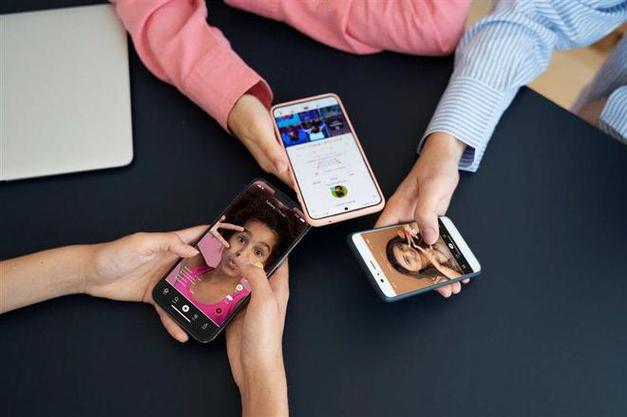
Once incentives are designed, the next challenge is ensuring that user videos actually enter the brand's system in a structured manner. Without a clear flow, UGC videos get scattered across DMs, are hard to track, and often get lost before they can be used.
Brief Preparation and Campaign Hashtag Stage
The brief for users doesn't need to be long. What matters are three things: what to film, which hashtag to use, and how to submit it to the brand. The campaign hashtag serves as the primary tracking mechanism. Choose a unique hashtag that isn't already used massively and is short enough to remember. A common mistake is using a hashtag that is too generic, causing the brand's videos to drown among millions of other videos.
Comparison of Collection Methods: Manual DM vs Creator Platform
Here is a comparison of the two main methods for collecting UGC videos from users:
- Manual DM: requires no subscription fee, but is highly unscalable. The team must copy links, ask for permission again, and track videos one by one. Suitable for small volumes or the early stages of a campaign.
- Creator platforms or third-party tools: require a subscription fee, but provide an upload form, a written permission system, and a tracking dashboard in one place. More efficient as the campaign grows and video volume increases.
The choice of method depends on the campaign scale and team capacity. For brands just starting out, manual DMs still make sense. Once the volume exceeds manual tracking capacity, switching to a creator platform becomes an operational necessity.
Verification and Content Usage Permission Steps
Before a UGC video is republished on a brand's account or used for ads, ensure there is written permission from the creator. Without documented permission, the brand risks facing copyright claims or content takedowns by the platform. The permission format can be simple, just a written message stating the creator grants commercial usage rights to the brand. For paid advertising use, written permission is absolutely necessary and should ideally be accompanied by a more formal copyright release form.
Integrating UGC into TikTok Content Strategy
Collecting videos from users only becomes a workload if the content is not integrated into the brand's TikTok ecosystem. At this point, UGC is not just a supplement, but a replacement for production volume that internal teams cannot fulfill.
When reposting UGC videos on official accounts, the main key is to respect the original creator. A fatal mistake that often happens is downloading the video, cropping the watermark, and posting it without permission. The correct practice involves tagging the creator's account in the video caption and adjusting the aspect ratio format to fit the brand's feed. Avoid over-editing that removes the authentic feel.
FAQ on UGC Licensing and Performance
Does the brand have full rights to videos uploaded with a campaign hashtag?
No. Using a hashtag is not equivalent to a commercial license transfer. Brands must contact the creator directly to obtain written permission before using the video for commercial purposes or paid ads.
Will every UGC video go viral?
No. The true value of how to get TikTok UGC for a product lies in the consistent volume of authentic content that builds audience trust, not just a momentary spike in views. A realistic expectation is the accumulation of relevant and relatable content over time.
How long does it take to build a stable UGC pipeline?
A stable UGC pipeline requires several campaign cycles to calibrate incentives, filter video quality, and refine the collection flow. There is no exact number, but brands that consistently implement the incentive framework and collection flow will see a gradual increase in user participation.
Practical Summary
How to get TikTok UGC for a product essentially involves building a fair value exchange system between the brand and users. The three main pillars: first, design incentives that respect the creator's time without ruining authenticity. Second, prepare a structured collection flow from briefs, hashtags, to written permissions. Third, redistribute content by respecting the original creator and complying with licensing limits. Brands that consistently execute these three pillars will build an authentic content pipeline that cannot be replicated by any internal production team.