

The Challenge of Fashion Product Showcasing and Initial Assessment Mistakes
Many women's fashion sellers have experienced this disappointment: products that look attractive in catalog photos feel ordinary when worn by a creator in a TikTok Shop video. The main issue isn't the quality of the clothing, but the creator's ability to highlight product details. The right TikTok Shop women's fashion creator should be able to showcase fabric texture, silhouette, and styling combinations to motivate the audience to buy, not just display the product in front of the camera.
The way to evaluate the right creator is by examining their public content signals. Pay attention to how often viewers ask about products in the comments section, how clear the call-to-action toward the yellow cart is, and how well the lighting highlights fabric texture. Don't rely solely on follower count as the primary indicator.
Why Follower Count Is Often Misleading for the Fashion Category
A high follower count often reflects the popularity of entertainment content, not the ability to sell fashion products. A creator with hundreds of thousands of followers whose content focuses on dance or comedy may have a large reach, but conversion to fashion sales can be very low. Their audience comes for entertainment, not to shop.
Conversely, creators with fewer followers who consistently produce try-on haul or styling tips content tend to have a more targeted audience. They watch with the intention of finding clothing references. The difference between reach and conversion is what sellers often overlook. A common audience mismatch example: an elegant dress seller collaborates with a creator whose audience is mostly casual trend seekers. As a result, the video may go viral, but the yellow cart gets few clicks.
Assessment Matrix for Styling Skills and Sales Performance
Relying on numbers on the main profile page often leads to videos that are aesthetic but don't drive purchases. Accurate assessment must start from the public content signals already visible in the creator's videos.

Public Content Signals That Indicate Conversion Ability
Open five to ten of the creator's latest videos and examine the audience interaction patterns. Comments like "how much is it," "is there an XL size," or "drop the link" are far stronger indicators of purchase intent than view count. Also pay attention to whether the creator clearly mentions the product name, points to the yellow cart link, and visually explains fabric features.
For the fashion category, lighting that showcases fabric texture, drape, and stitching details serves as evidence that the creator understands how to sell clothing. A common mistake sellers make is evaluating reach without reading the ratio of product-related comments. High views without a single product question often indicate an audience watching for entertainment, not for shopping.
Comparison: Lifestyle-Based vs Sales-Based Creator Profiles
Lifestyle or lookbook-based creators excel at showcasing styling, outfit combinations, and collection mood. This type is suitable for new product launches or building brand image. On the other hand, sales-based or hard-selling creators focus more on product demonstrations, price mentions, and direct checkout pushes. This type is more appropriate for promo periods, clearance stock, or low-margin products that need fast turnover.
Match the creator type to your campaign objective. Choosing a lookbook creator for a clearance sale often wastes production budget without driving conversions, while forcing a hard-selling creator for a premium collection launch can diminish brand image.
Creator Activation Steps and Operational Risk Limits
After finding a suitable TikTok Shop women's fashion creator, the activation step determines whether the collaboration produces conversions or just views. Many sellers rush to send products without a clear brief, then feel disappointed when the resulting video doesn't highlight fabric details or stitching.
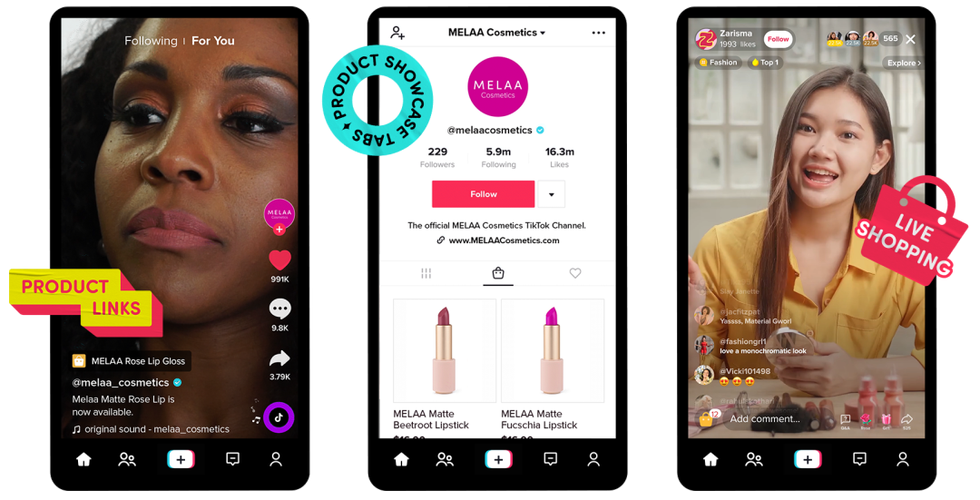
How to Create an Effective Styling Brief Without Killing Creativity
In the brief, set firm video duration limits—for example, the first 15 seconds for a visual hook and the remaining time for product details. Don't ask the creator to memorize a rigid script; instead, provide key product features that must appear in frame, such as fabric texture, accessories, or mix-and-match styling. Also include rules for the yellow cart link—make sure the creator mentions or visually points to the product during the peak moments of the video.
However, there are operational risk limits that must be managed. Don't rely on unrealistic ROI expectations from a single video. Ensure that commission-sharing agreements and content terms are documented in writing to avoid disputes. Also pay attention to product sample shipping obligations—if products are lost or damaged during shipping to the creator, that becomes an operational loss that should be mitigated with shipping insurance or a reliable courier service.
Common Creator Selection Mistakes and Questions About Collaboration
Many sellers are trapped in the mindset that affiliate collaboration guarantees instant sales. In reality, the most fatal selection mistakes occur when sellers hand over campaign control without thorough operational risk evaluation.
Risks of Non-Transparent Practices and Expectation Management
One of the main pitfalls is trusting promises of guaranteed commissions or fixed ROI from creators or agencies. In the TikTok Shop ecosystem, algorithm performance is highly dynamic. If anyone promises specific sales figures before the content goes live, that's a red flag. Assessment must remain grounded in public content signals, not verbal promises.
Also watch for unnatural engagement indicators, such as surges of generic comments that are irrelevant to the fashion product details being promoted, which often signal bot activity. As an operational execution limit, sellers must set a daily budget cap and terminate the partnership if the click-to-yellow-cart ratio is too low within the first three days. Avoid large upfront payment schemes without a transparent performance-based commission-sharing system through the official dashboard.
A frequently asked question is how long it takes to see conversion results from a TikTok Shop women's fashion creator. Allow a waiting period of 48 to 72 hours after the video is uploaded to measure audience retention and product clicks. If there's no sales escalation, promptly revise the brief or redirect the budget to another candidate.