
You Have a Creator List, But Which Ones Are Worth Contacting?
Having a list of dozens of creator names from search results doesn't automatically solve your TikTok Shop campaign problem. In fact, this is where the real evaluation work begins. Contacting every candidate will only waste time and negotiation budget if you don't know how to objectively assess the quality of TikTok Shop creators from those search results.
The most common mistake: relying on follower count alone
Sellers often get fixated on the numbers on a profile. As a result, they contact accounts with hundreds of thousands of followers, yet the latest videos only get dozens of comments. High follower counts without genuine interaction often indicate an irrelevant audience or passive followers. Surface-level metrics like these are misleading and risk draining your affiliate budget without any conversion guarantee. Instead of just looking at follower count, focus on the audience interaction ratio, which shows how active their community really is.
The three-layer assessment framework
To systematically filter your list, use a three-layer assessment framework before sending your first message. The first layer is content signals: are the posted videos relevant to your product category, and is their style original? The second layer is engagement signals: measure the consistency of interactions like comments and shares, not just likes. The final layer is compliance: ensure the creator follows TikTok Shop community guidelines and has no history of violations that could harm your brand's reputation. This sequence ensures you only contact candidates who are genuinely worth partnering with.
Content Signals: Evaluating What the Creator Posts
Once you have your creator list, the first and fastest layer to assess is the content itself. Many sellers jump straight to engagement metrics, but without relevant and consistent content, likes or views won't translate into product conversions. When assessing the quality of TikTok Shop creators from search results, first check what the creator actually posts on their account before considering reach.
Product category relevance to the creator's regular content
A creator who regularly discusses skincare will be more natural when promoting beauty products compared to a creator whose content is a mix without a clear theme. Sellers need to open the creator's profile, scroll through at least the last 10-15 videos, then ask: does my product category fit into this content ecosystem? If a creator's audience is used to seeing tech reviews and suddenly sees a food endorsement, conversion rates likely drop because the audience isn't in a shopping mindset for that category.
Production consistency and style originality
Posting frequency indicates whether a creator actively manages their account or only uploads occasionally. Creators who post 3-5 times per week with a consistent theme typically have an audience that is more trained to watch and buy. Beyond frequency, pay attention to style originality. Creators who use distinctive voices, formats, and storytelling styles tend to build stronger trust compared to those who simply follow trend templates without a personal touch.
Risk threshold: overly promotional or inauthentic content
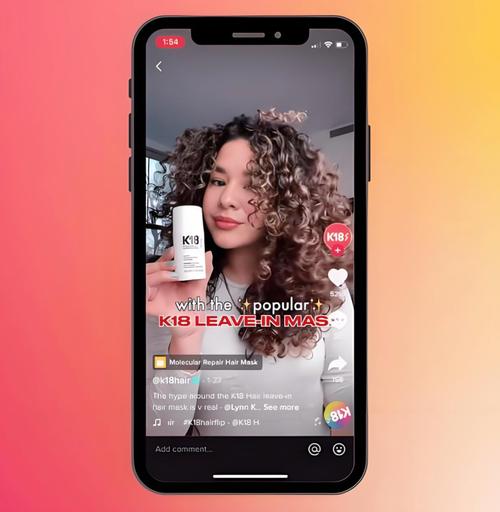
Check whether the majority of the creator's videos are paid endorsements with repetitive hard-sell patterns. If almost every video ends with a call to buy without educational or entertainment value, the audience may have become immune to promotions. A practical threshold: if more than 70 percent of recent content is purely promotional with no organic content in between, the risk of declining audience trust is high and should be considered before reaching out.
Engagement Signals: Measuring Real Interaction
The second layer focuses on how actively the audience responds to the creator's content. Follower count may look impressive, but consistent engagement provides a more accurate picture of audience quality.
Weighted metrics: comments, shares, and interaction ratio
Likes are easy to measure, but comments and shares indicate deeper engagement. Comments relevant to the product or video topic signal an audience that is genuinely watching, not just scrolling past. Shares indicate the content is valuable enough to be passed along. Calculate the interaction ratio by dividing total comments and shares on recent videos by the view count to see how active the creator's community is.
Engagement consistency vs occasional spikes
One viral video isn't enough to conclude a creator's quality. Check engagement across the last 10-15 videos to identify patterns. A creator with stable engagement on every video is more reliable than one with only one or two high-interaction videos. Occasional spikes may be driven by trends or algorithms, not audience loyalty.
Compliance Signals: Protecting Brand Reputation
The final layer is often overlooked, yet its risks are the most damaging if missed. A creator who violates TikTok Shop community guidelines or has a history of problematic content can bring trouble to your brand.
Violation history and community guidelines
Check whether the creator's account has ever received warnings, restrictions, or content removals due to guideline violations. Indicators include videos missing from the profile, unusual posting gaps, or sudden account changes. A creator who consistently complies with community guidelines provides assurance that your affiliate partnership won't be disrupted by platform moderation actions.

Sponsorship transparency and promotional ethics
Good creators typically label sponsorships or affiliate content clearly. This isn't just regulatory compliance but also a sign of professionalism. Creators who hide promotional status or write dishonest reviews risk eroding audience trust in your product over the long term.
Practical Filtering Sequence
Start with content signals since these are the fastest to assess. Open the profile, scroll through recent videos, and eliminate candidates whose categories don't match. From the remaining list, check engagement to confirm the audience is genuinely active. Finally, verify compliance to avoid reputation risks. This sequence saves time because you don't need to examine deep metrics for candidates already eliminated in the early stages.
FAQ: Assessing TikTok Shop Creators
How many creators should I contact after filtering?
There's no fixed number, but start with the top 5-10 candidates who pass all three assessment layers. This is enough to get responses without draining negotiation time. You can expand the list if responses fall short of expectations.
Is follower count completely irrelevant?
Follower count still provides context, but it isn't the primary metric. Accounts with more followers have broader reach potential, but that only matters if engagement and content relevance support it. Use follower count as supporting data, not as the sole basis for decisions.
What if the creator has never promoted similar products?
This could be an opportunity or a risk. A creator who has never done endorsements in your category might bring a fresh approach, but their audience may not be trained to respond to such offers. Consider whether their regular content is close enough to your product category that the promotion feels natural.
Summary of Selection Criteria
Before contacting candidates from your search list, ensure each name passes all three assessment layers: content signals (category relevance, posting consistency, style originality, promotional content threshold), engagement signals (comment and share ratio, interaction consistency across recent videos), and compliance signals (no violation history, sponsorship transparency, adherence to TikTok Shop community guidelines). This framework helps you avoid the mistake of assessing TikTok Shop creator quality from search results based solely on surface-level metrics, and ensures your affiliate budget is allocated to genuinely worthwhile candidates.