
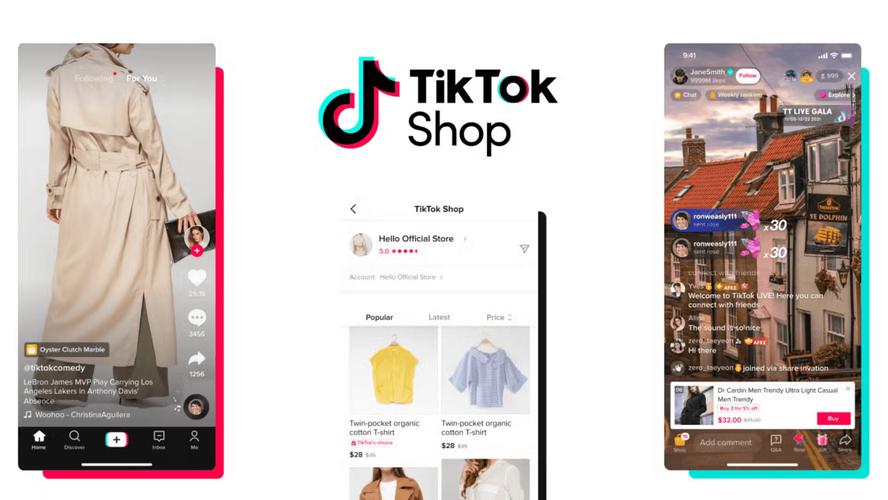
Many people assume that starting as a TikTok affiliate is just about signing up and pasting a link in the bio. Once the link is there, the commissions are expected to flow on their own. Yet behind that seemingly simple sign-up, there is a question that needs to be considered first: whether your account is ready enough to be trusted by viewers when you recommend something.
This article deliberately starts from that point, not from the sign-up button. The goal is to prevent you from wasting your first registration on an account that has no foundation, only to be disappointed that the link is never touched. After understanding where affiliate marketing stands in the creator ecosystem, the discussion will move into minimum requirements, the flow from application to selecting a program, and the content practices that affect whether links actually get clicked.
Why Affiliate Marketing Is Not an Instant Income Path
Affiliate marketing is often framed as a side job whose results show within days. Big-earning stories out there do exist, but those stories usually do not tell the boring part: accounts built for months before the first link is attached, a consistent niche, and viewers already used to seeing your recommendations.
There are several variables you cannot control once you sign up: algorithm changes, seasonal viewer lulls, and even product quality that turns out to fall short. For that reason, affiliates who last treat this path as one source of income, not the only one. This position matters to understand from the start so that your decisions, from preparing your account to choosing a program, are based on realistic reasoning.
Minimum Sign-up Requirements You Must Check First
Before pressing the sign-up button, run a self-audit on the four items below. All of them are variables that commonly appear on the creator hub page, although the specific numbers may change at any time.
General account condition
First, make sure the account is still active and old enough to show a usage history. Second, there should be no repeated violations of community guidelines, since these records are usually considered during eligibility review. Third, there is consistent activity, such as an upload routine and engagement, that signals the account is alive and relevant. Fourth, compliance with monetization guidelines, including transparency for paid content and clear affiliate labeling.
Because numbers like minimum follower count, account age, or views can change, always check the official affiliate program page when you are about to sign up, rather than relying on numbers remembered from someone else's content. The safe way to start as a TikTok affiliate begins with verification, not guesswork.
Niche readiness and creator identity
Beyond account condition, personal readiness often determines whether the link gets touched or just becomes a dead URL. A realistic entry point is to have a few hundred followers who already know your content style, without treating it as a fixed benchmark. A niche that matches the product makes recommendations feel natural. A beauty creator reviewing skincare, a food creator discussing home cooking, or a gadget creator comparing phone accessories are examples of fit that viewers easily understand. Signing up without a content plan usually results in a link without function.
Flow From Application to Choosing a Program
Once the account feels ready, the next step is to understand the sequence of work so you do not pile up programs before they become usable.
How to sign up via creator settings
In general, sign-up starts from creator settings in the app. Open your profile, go into the monetization or creator options menu, then find the affiliate section. You will be asked to agree to terms of service, commercial policies, and link placement rules. Linking your account as a creator must be completed before the program sign-up options appear. If the profile is still messy or the bio is empty, the process will feel longer because the platform needs to reassess eligibility.
Before pressing the apply button, make sure your display name, photo, and bio are consistent with your niche. Menu names, button labels, and approval flows can change, so refer to the official help page for the most current version.
Distinguishing open programs from invite-only programs
Once your sign-up is approved, you will enter a marketplace filled with many programs. Beginners often grab everything that looks interesting, yet each program has a different level of competition. Some programs are open to all creators who pass verification, and some are invite-based, usually for accounts with specific results. For new accounts, open programs are the safest entry point because the requirements are clearer and the risk of rejection is lower.
When choosing, apply three filters: whether you have used the product before, whether your audience has a strong reason to buy it, and whether the compensation is worth the production time. Results vary by creator, so there is no single formula for determining the best program at the start.
Content Practices That Make Links Actually Get Clicked
An affiliate link is a by-product of the content-making process. It is content quality that determines whether the link gets tapped or swiped past.
Safe formats for accounts that lack traction
For accounts still building reputation, these three formats are the safest: a short review of one specific feature, a real-world usage demo, and a comparison of two products in the same category. All three present a decision, not just promotion. Avoid opening content with a hard-sell line, because it lowers click-through rates. It is more effective to show the problem, demonstrate the solution, and only then close with a call to check the link.
Risk limits to watch
There are three common traps. First, making paid ads look like organic recommendations, which usually leads to platform penalties. Second, hiding the affiliate relationship without explanation; viewers value transparency in the form of a clear affiliate label. Third, chasing the highest-commission products without considering niche fit; the result is that the audience does not trust you and the account does not grow. Running the way to start as a TikTok affiliate step by step means accepting that there is no guarantee of commissions, no guarantee of automatic acceptance, and reputation still has to be built.
Questions That Often Come Up at the Early Stage
Do you need a lot of followers to sign up? There is no guaranteed exact number. What is more decisive is activity consistency and niche fit, not just follower count.
How long does the verification process take? The duration varies and can change at any time. As long as the profile is tidy and requirements are met, the process usually follows the flow shown in the app.
What if the program I am interested in is closed? Look for open programs first, while improving content quality so your account performance grows. Invite-only programs generally follow account progress, not the other way around.
Is the commission guaranteed once the link is clicked? There is no guarantee. A click alone is not enough, because conversion depends on product fit, content quality, and buyer behavior.
By understanding where affiliate marketing stands, meeting the minimum requirements, following the sign-up sequence, and preparing realistic content practices, the way to start as a TikTok affiliate shifts from a mere registration to a process of building sustainable reputation.