
Many new creators are drawn to the TikTok Shop affiliate program because it sounds like passive income: no inventory, no shipping to manage, just drop a link in your bio and wait for commissions to roll in. That view isn't wrong, but it's only half the story. Behind every recorded commission is a chain of work the creator has to do themselves: product research, scripting, filming, and reading audience responses. This article helps you think through how to become a TikTok Shop affiliate through healthy orientation rather than instant expectations.
Why Affiliate Programs Are Often Misunderstood
Affiliate commissions are inherently variable. A video that explains a product honestly, shows a short demonstration, and addresses buyer doubts usually converts better than one built on bombastic claims. Creators who focus on the quality of their explanation almost always last longer than those chasing daily video volume without a strategy.
Common misconceptions before signing up include:
- Signing up first, then figuring out which products to feature.
- Copying a big creator's style without adapting it to your own niche.
- Making exaggerated claims to game the algorithm.
All of these approaches raise three risks at once: your content reads as non-transparent, audience perception drops, and your affiliate features can be disabled for violating guidelines. For that reason, a healthy how to become a TikTok Shop affiliate approach always starts with content readiness, not just the availability of a link.
A Creator Readiness Map Based on Content Type
Before signing up, ask yourself one more fundamental question: is my content profile actually suited for affiliate work? Creators who are used to producing demonstration-based content usually have a natural edge on TikTok Shop. Easy-to-spot examples: gadget reviewers who unpack features on camera, fashion creators trying out outfit combinations, cooking creators showing the cooking process, or daily vlog creators weaving household products into their routines. Viewers of this kind of content are already used to seeing products in use, not just on display.
Conversely, creators whose content is fast entertainment, jump-cut edits, or lip-sync without narration will usually struggle to convert even if their videos go viral. That's not necessarily an algorithm problem; more often, the audience came for entertainment, not shopping consideration.
One thing new creators often overlook: a small, well-segmented audience is often more valuable than a large, random one. Sellers don't only look at viewer count, but at the correlation between your content topic and your audience's purchase intent. Readiness isn't defined by a single metric, and there's no single follower count that serves as the benchmark.
Three Reflective Questions Before Signing Up
- Can I commit to uploading content consistently for the next two to three months, not just the first week?
- Can I explain a product's strengths in two to three sentences without sounding like I'm reading a brochure?
- Am I prepared to accept that my first affiliate videos will probably not generate big commissions?
Readiness indicators are fundamentally qualitative. Creators who are consistent, communicative, and don't panic at the data are usually better prepared than big accounts that don't have time to manage affiliate content.
TikTok Shop Affiliate Sign-Up Flow
Signing up is easy; what actually shapes your results is what happens afterward. Understanding the workflow helps you tell the difference between following a trend and building a sustainable practice.
Two Orientations: Creator-led and Seller-led
TikTok Shop runs its affiliate program in two orientations that shape very different routines:
- Creator-led: the creator picks products from the seller marketplace, then creates content in their own style. Full control sits with the creator, but conversions depend on the strength of your niche and storytelling.
- Seller-led: sellers invite creators to promote specific products. Access to the seller's audience base is easier, but the creator has to tailor the message to an already-defined catalog.
For beginners, a combination of both is often used. Start with creator-led to train product sensitivity, then move into seller-led once your content rhythm is stable.
Flow Diagram from Creator Account to First Content
- Open the TikTok app and sign into your creator account.
- Access the affiliate menu or TikTok Shop creator from your profile.
- Choose products from the available marketplace, or accept a seller-led invitation.
- Create a short video that follows community guidelines.
- Track performance through the affiliate dashboard without waiting for instant results.
At each stage there are small but crucial decisions: is the product relevant to your audience, does the script feel honest, and are you uploading consistently in the first week. Many creators stop at the third step because they're waiting for instant results, when meaningful evaluation really only begins after five to ten videos.
Operational Risks from Day One
Guideline violations can lead to suspension of affiliate features. Exaggerated product claims erode audience trust, which is far more costly than losing a single commission. Mitigating risk through product research, transparent scripts, and upload consistency is more effective than chasing short-term commissions.
Early Practices That Shape Content Performance
Once the flow is clear, most new creators want to jump straight into their first video. This is where affiliate performance is actually built, not in the commission dashboard.
Short Product Research
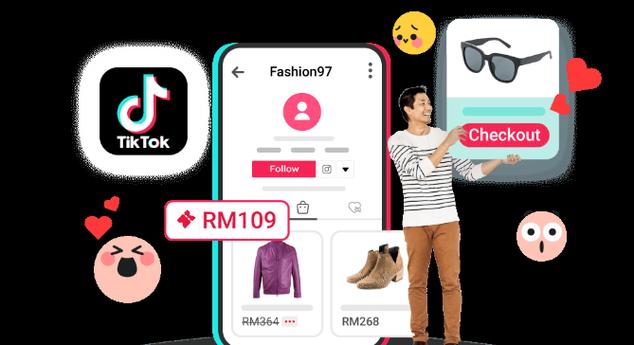
Research doesn't have to be long; one focused session before filming is enough. First: read buyer reviews on the product page, including negative-toned comments, because that's usually where the shortcomings you'll be asked about live. Second, compare price variations and bundles so your script isn't misleading. Third, check consistency in description, stock, and shipping estimates before mentioning specific details. Creators who skip this step often lose credibility, even when the product itself is good.
A Script That Feels Organic
An effective affiliate script usually follows a short arc: an honest hook, a brief demonstration, an observable strength, then a non-pushy call to action. The principle is simple: talk like you're recommending something to a friend, not reading sales copy. Transparency matters because audiences can tell the difference between a confident promotion and an over-the-top one.
Reading Early Responses Without Overreacting
The performance of a single video isn't the final measure. In the first week, healthier indicators are the ratio of views to follower count and the quality of comments, not just raw view numbers. If both signals are low, iterate on your hook or storytelling angle in the next video. The early goal isn't chasing commissions, but building a consistent habit of research and writing, because those two things are what separate affiliates who quit in the first month from those who stick around.
Frequently Asked Questions
Do I need a large following to start?
There's no single number that serves as the benchmark. What matters more is the correlation between your content topic and your audience's purchase intent, along with upload consistency.
How long until the first commission?
There's no guaranteed timeline. Meaningful evaluation usually only shows up after five to ten videos with scripts that have already been iterated.
Do I have to post a video every day?
Not required, but a stable upload rhythm helps the algorithm and your audience recognize your content pattern. Consistency matters more than daily frequency.