
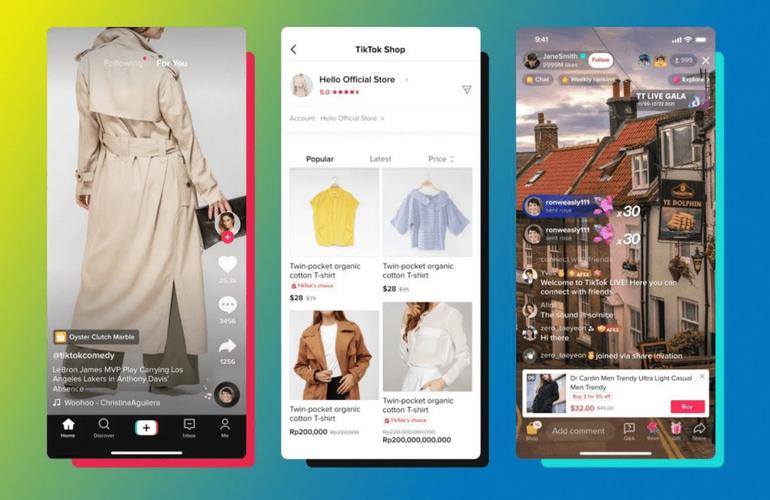
On TikTok Shop’s digital shelf, cases, charging cables, holders, tempered glass, and other small accessories can all look almost the same. Neat product photos are not always enough, especially when buyers only watch a video for a few seconds before scrolling. For sellers, the important question is not simply which creator has a large audience, but who can make small benefits feel real.
Choosing TikTok Shop phone accessory creators means assessing that person’s ability to demonstrate the product, not just show the item. Small products need stable close-ups, hands that do not cover important details, clear lighting, and usage contexts that are close to the buyer’s problem.
Short answer: choose creators who are strong at product demos
A creator worth testing is one who can show the product’s function in everyday situations. A cable should not just be held up to the camera; it is better shown when a desk is full of devices. A holder should not just be called strong; it needs to be seen attached to a work desk or vehicle. A case should not just look attractive; its texture, grip, buttons, and camera cutout fit must be clearly visible.
A good demo usually has three parts: the problem before the product is used, a usage process that is visible enough, and the condition after the product is used. This pattern helps potential buyers understand the reason to buy without excessive claims. For small products, clear visuals are often more convincing than overly busy narration.
The boundaries still matter. Creators do not need to promise durability, charging speed, or universal compatibility if the seller has not prepared proper evidence and an accurate model list. Useful content is content that helps buyers see practical benefits, not content that forces the product to sound more impressive than the available proof supports.
Mistakes sellers make when assessing phone accessory creators
The first mistake is trusting account appearance too much. A tidy feed, fast editing style, or large amount of content does not automatically mean a creator can record small products in detail. Sellers need to see whether previous videos have bright close-ups, transitions that do not cover the product’s function, and stable shots.
The second mistake is assuming all phone accessories suit the same type of creator. A creator who is good for aesthetic cases may not be right for adapters, cables, or holders. Conversely, a gadget creator who is strong at explaining features may not be the best fit for accessories bought because of desk appearance, work habits, or daily style.
The third mistake is ignoring the creator’s devices and environment. Phone model, desk, vehicle, lighting, and daily activity habits determine whether the product will look relevant. For deeper category context, sellers can read the TikTok Shop creator strategy for the gadget category before creating a creator shortlist.
Criteria for creators worth testing
Demo ability: hands, camera angles, and proof of use
For phone cases, check whether the creator can show texture, thickness, grip, buttons, and phone model fit. For screen protectors, see whether they patiently show the installation process, screen cleanliness, any air bubbles, and the final result under light. For cables, adapters, or power accessories, ask for a reasonable usage context without technical claims that cannot yet be verified.
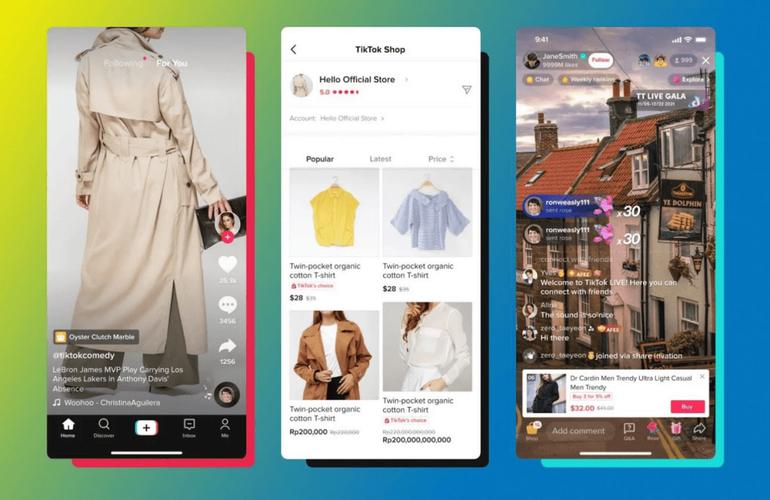
The practical signals are simple: there is a close-up, there is a before-and-after comparison, the product is not covered by the hands, and viewers can understand the function without having to guess. If the creator only reads a feature list while holding the product, the benefit of a small product can easily disappear.
Devices and setup determine content quality
Creators with several phone devices are usually more flexible for cases, cables, holders, adapters, or compatibility variations. Transparent, thin, or small products need neat lighting because details are easily lost in video. Desk stands and mini tripods are better tested in a work setup, while car holders need a vehicle context that looks natural.
The initial brief should mention the device model used, the SKU shown, the color or variant, mandatory scenes, claims that may be stated, and claims that must be avoided. If sellers need a more detailed working format, this section can be turned into a way to create a TikTok Shop creator brief that is specific to each product.
The audience must have a relevant problem
Do not only look at viewer numbers. Read the comments and interaction patterns. Does the audience often discuss cables that break easily, scratched screens, slippery phones, messy desks, gaming needs, mobile work, or use while driving? Creators with audiences that have practical problems can more easily connect small accessories with sensible reasons to buy.
Product and creator type fit matrix
This matrix helps sellers assess TikTok Shop phone accessory creators based on the visual proof each product needs. Use it as an initial selection tool, not as a creator ranking or a guarantee of results.
| Product type | Main demo | Suitable creator type | Risk signal | Brief notes |
|---|---|---|---|---|
| Phone case | Texture, grip, buttons, thickness, camera fit | Gadget or lifestyle creator with detailed visuals | Color and material details are not clearly visible | Mention the phone model, variant, and parts that must be shown in close-up |
| Tempered glass or screen protector | Installation process, screen condition, final result under light | Careful everyday product review creator | The process is too fast or the final result is not visible | Limit protection claims according to product evidence |
| Charging cable and adapter | Cable length, port position, desk neatness, usage habits | Gadget creator or mobile worker | Technical performance claims without a basis ready to be shown | Ask for usage scenes, not unverified speed promises |
| Holders, stands, and mini tripods | Installation, usage angle, stability in real scenes | Lifestyle creator, live seller, or content creator | The product is only held without usage context | Define the demo location, such as a work desk, kitchen, vehicle, or live setup |
| Power accessories | Daily usage context, ports, size, and storage neatness | Gadget creator with careful explanations | Durability or performance claims go too far | Make sure claims match the seller’s specifications and evidence |
Comparison of creator types for small products
Gadget creators are usually strong at explaining compatibility, features, variant differences, and use across devices. This type is suitable when buyers need to understand simple technical details before buying.
Lifestyle creators are more useful when an accessory needs to appear as part of a daily routine, such as an aesthetic case, desk stand, or accessory for a bag and work desk. Live sellers are suitable when the product has many buyer objections that need to be answered directly, such as size, color, installation method, or model compatibility.
Micro creators and everyday product review creators are worth testing for message variation. One creator can focus on practical problems, while another focuses on usage visuals. This approach helps sellers see which content angle is clearest for potential buyers without making claims about commission, price, or sales results.
Risk boundaries before collaboration
Before sending samples or approving content, sellers need to write clear collaboration boundaries. The list of SKUs, colors, variants, and phone model compatibility must be firm. Small mistakes, such as installing a case on a model that is not quite suitable, can make the demo look uncertain and reduce buyer trust.
The brief also needs to distinguish claims that may be stated from claims that cannot yet be proven. For tempered glass, holders, cables, adapters, and power accessories, avoid requests that make creators guarantee usage results, durability, or technical performance when evidence is not yet available. Define the demo duration, example scenes, revision limits, and the list of things that must not be promised.
FAQ for phone accessory sellers
Are gadget creators always the best fit?
Not always. Gadget creators are strong for features and compatibility, but lifestyle creators can be more appropriate for aesthetic cases, desk stands, or accessories whose value appears in daily routines.
How do you choose creators for cheap products that resemble competitors?
Prioritize creators who can show differences through use. For example, messy cables become neater, the phone position is more stable during use, or the case texture is easier to see. What is being assessed is demo clarity, not just speaking style.
What are the signs that a creator can do a product demo well?
The signs are clear close-ups, hands that do not cover important parts, sufficient lighting, a visible usage process, and narration that supports visual proof. If viewers can understand the benefit without a long explanation, the demo is usually stronger.
When should sellers test several types of creators at once?
Test several creator types when the product has more than one reason to buy, such as function, aesthetics, compatibility, and daily use. Start with a small brief, compare demo quality, then expand the content angle that buyers can understand most easily.
Decision summary
The best creators for phone accessories are creators who make small benefits look concrete. Before choosing TikTok Shop phone accessory creators, first match the product type with the visual proof needed, the creator’s devices, the shooting setup, and an audience with relevant problems. For cross-category decisions, sellers can also compare this approach with a guide to choosing creators for small products.